
Indo Islamic Heritage


1.jpg)
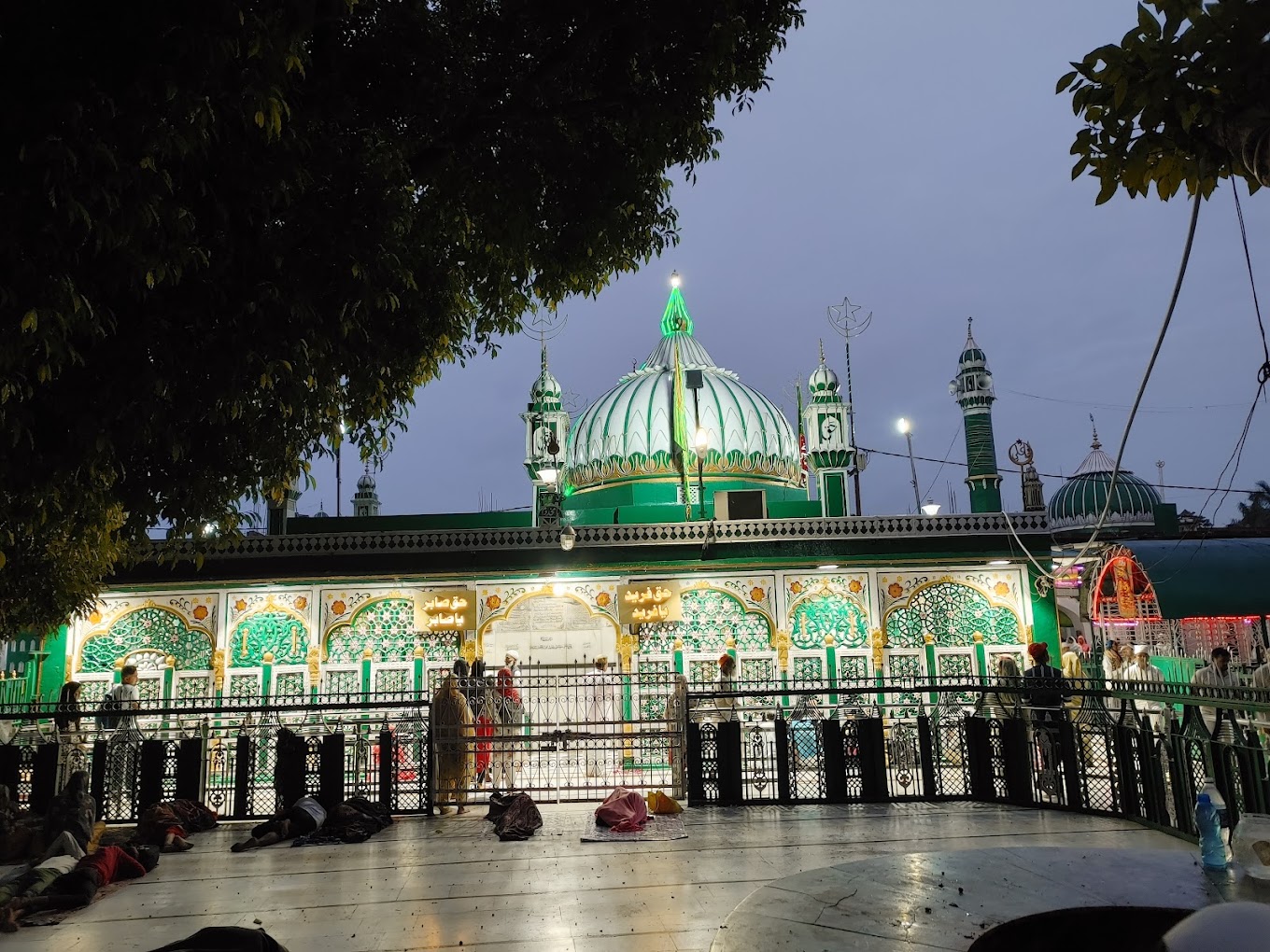
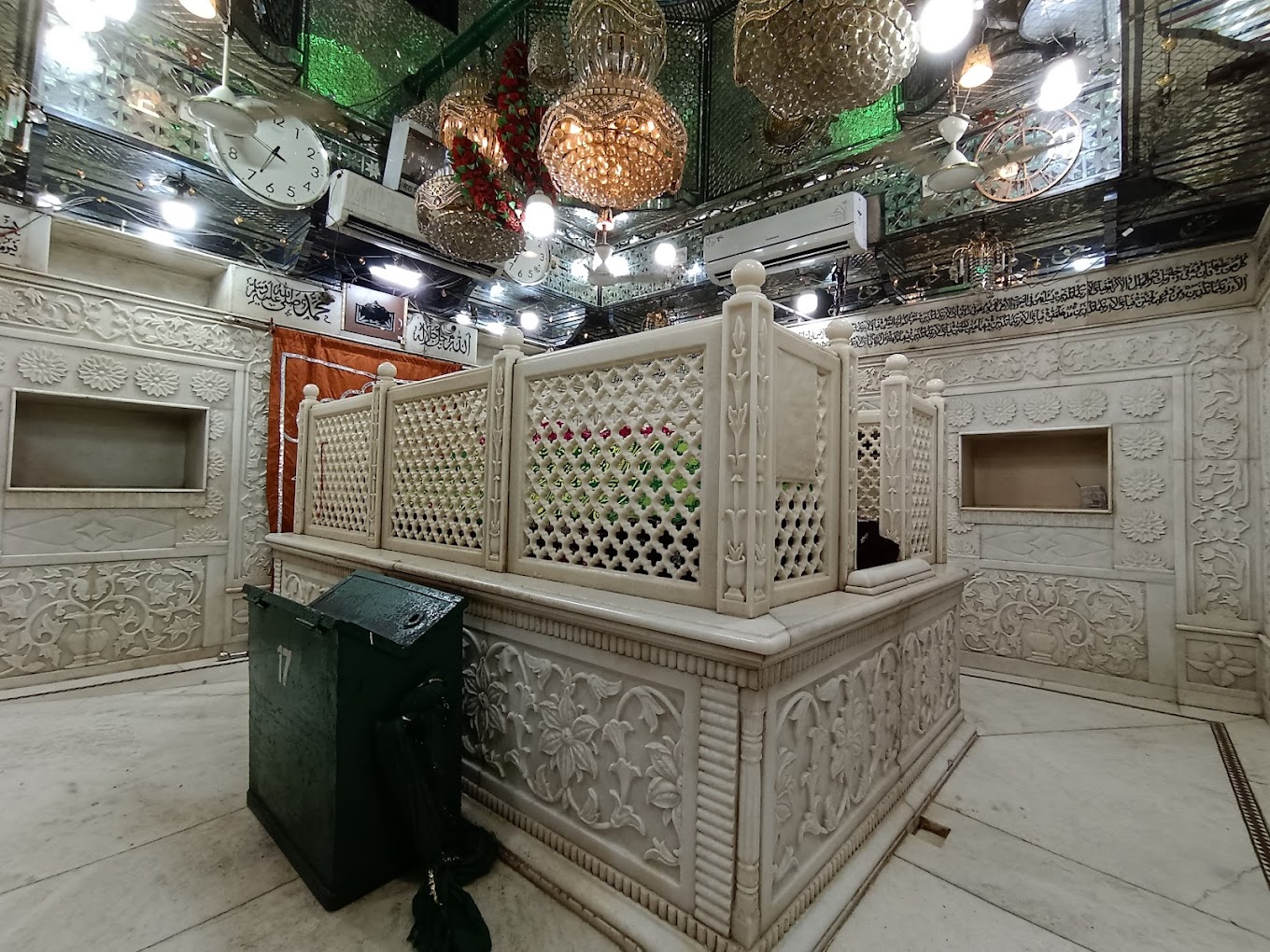
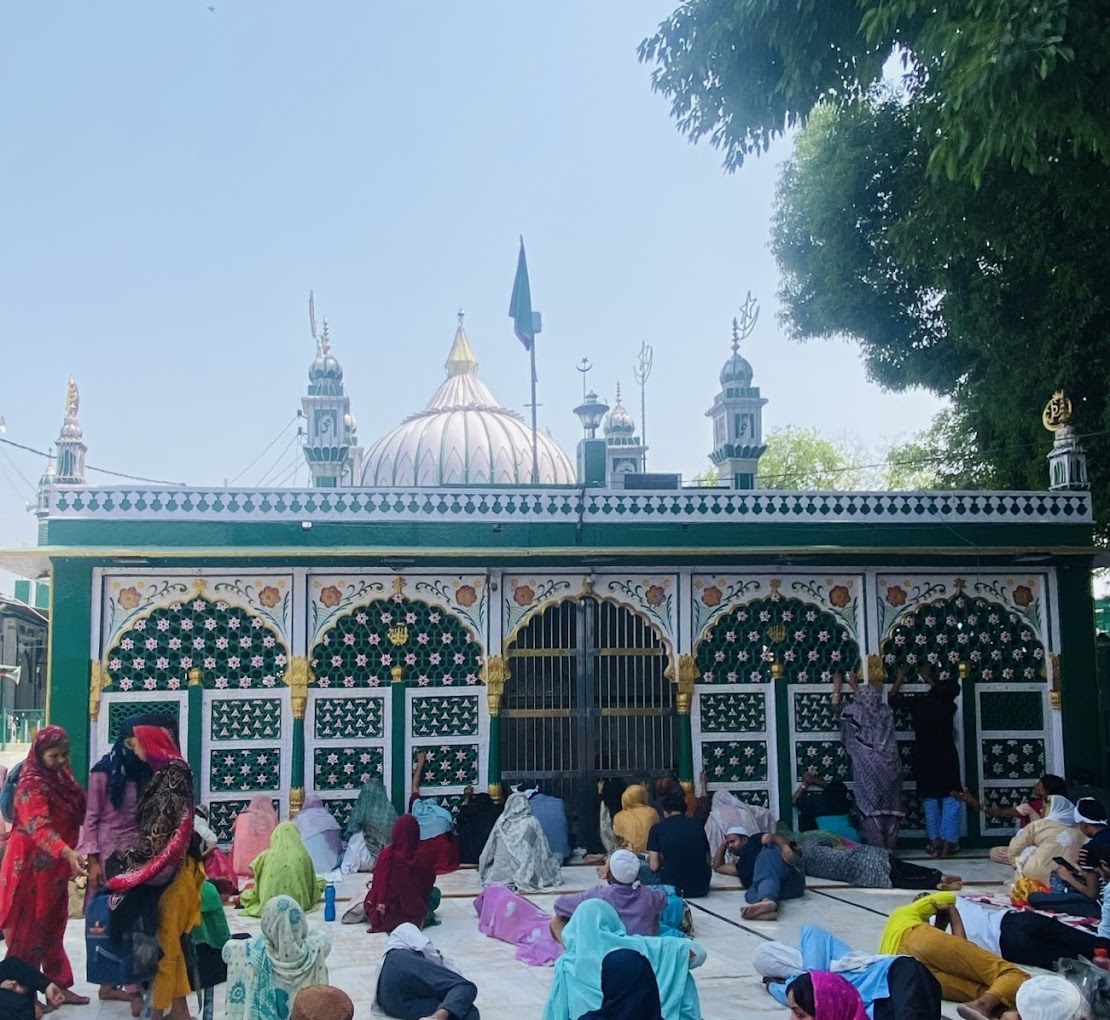
The Piran Kaliyar Sharif, also known as Kaliyar Sharif Dargah or Dargah Sabir Pak, is the shrine of Alauddin Sabir Kaliyari, a renowned 13th-century Sufi saint of the Chishti order. It is located near Haridwar and Roorkee in Uttarakhand, India, and holds great spiritual significance. The shrine is widely revered by Muslims, Hindus, and followers of other faiths, reflecting its inclusive and harmonious legacy.
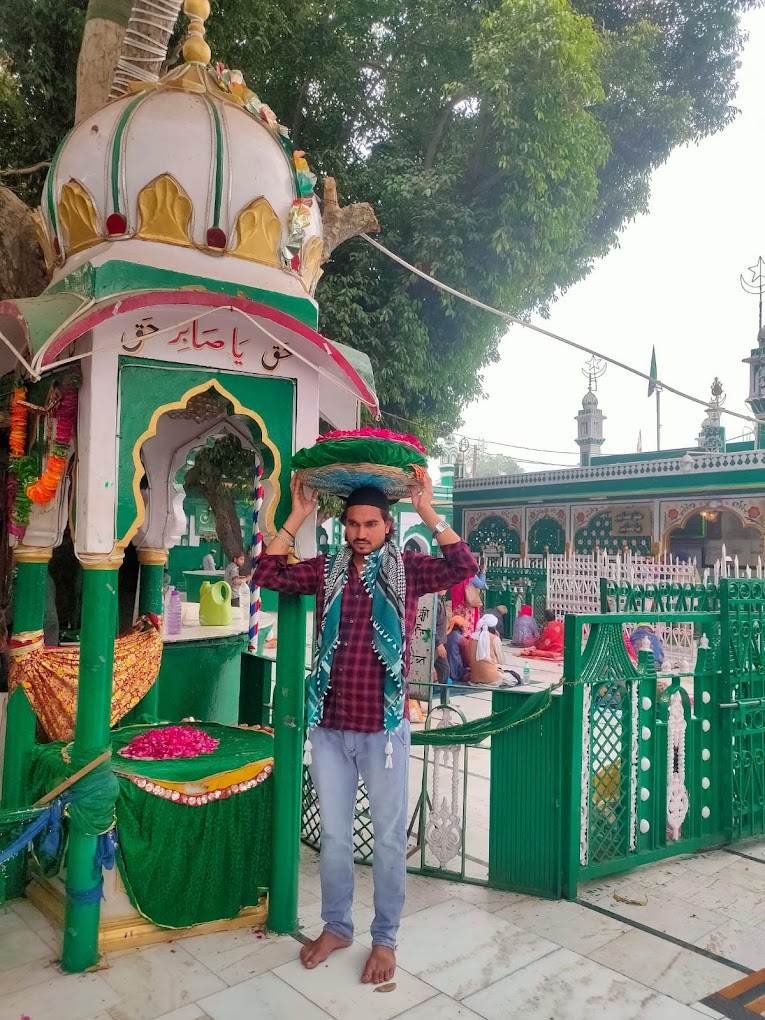
Alauddin Sabir Kaliyari, a prominent Sufi saint of the Chishti order, was born in 1196 AD in the city of Herat, present-day Afghanistan, to Jamila Khatun, the elder sister of Baba Fareed, a revered Sufi saint. Following the death of his father, Syed Abul Rahim, in 1204, his mother brought him to Pakpattan in present-day Pakistan, where he was placed under the tutelage of Baba Fareed. Recognizing his spiritual potential, Baba Fareed accepted Alauddin as his disciple and entrusted him with the responsibility of managing the langar (community kitchen). Despite being in charge of food preparation and distribution, Alauddin abstained from eating the food, interpreting Baba Fareed's instructions literally. Instead, he sustained himself by foraging for food in the jungle during his free time. When his mother visited him after a long separation, she was distressed to see his frail condition. Upon questioning Baba Fareed, she was told that Alauddin had no shortage of food. However, Alauddin explained his self-imposed abstinence, which stemmed from his strict adherence to Baba Fareed's directive. His unwavering discipline and patience deeply impressed Baba Fareed, who honored him with the title "Sabir," meaning "Patient." This title would become synonymous with his identity and legacy. In 1253 AD, Baba Fareed appointed Alauddin as the spiritual protector of Kaliyar, a place near present-day Roorkee, Uttarakhand. Alauddin Sabir Kaliyari relocated to Kaliyar, dedicating the remainder of his life to meditation, spiritual practice, and serving humanity. He passed away on the 13th of Rabi al-Awwal, 690 Hijri (1291 AD), and his dargah (mausoleum) at Kaliyar became a revered site for pilgrims and devotees from diverse religious backgrounds. The Kaliyar Sharif Dargah complex houses a sacred Gular tree, which is considered highly significant by pilgrims. The tree's fruits are taken as Tabarruk (blessed offerings), believed to carry the blessings (Barakah) of the saint. It is said that Alauddin Sabir Kaliyari spent hours meditating under the shade of this tree, further enhancing its spiritual significance. The shrine, situated on the outskirts of Roorkee town, attracts millions of devotees annually, both from India and abroad. Its mystical aura and the saint?s reputation as a miraculous healer make it a prominent spiritual destination. Over the centuries, a small town developed around the shrine, which came to be known as Piran Kaliyar. The historical significance of this region was further enhanced when, in 1851, India?s first steam engine, Mary Lind, ran on rails between Roorkee and Piran Kaliyar. This railway line, built by the Bengal Sappers, was used to transport soil for the construction of the Upper Ganges Canal aqueduct, marking a milestone in India?s engineering history, two years before the country?s first passenger train ran from Bombay to Thane in 1853. Piran Kaliyar Sharif continues to be a beacon of spirituality, interfaith harmony, and historical richness, drawing pilgrims and tourists alike to experience its serene and sacred atmosphere.
Year of Built: 13th century
Address: Man gate, Dargah Hazrat Sabir E Pak, Piran Kaliyar, Uttarakhand
Country: India
State: Uttarakhand
District: Haridwar
Pincode: 247667
Longitude: 78.1642
Latitude: 29.9457