
Indo Islamic Heritage


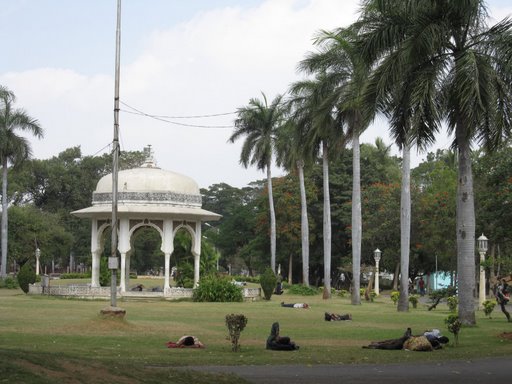
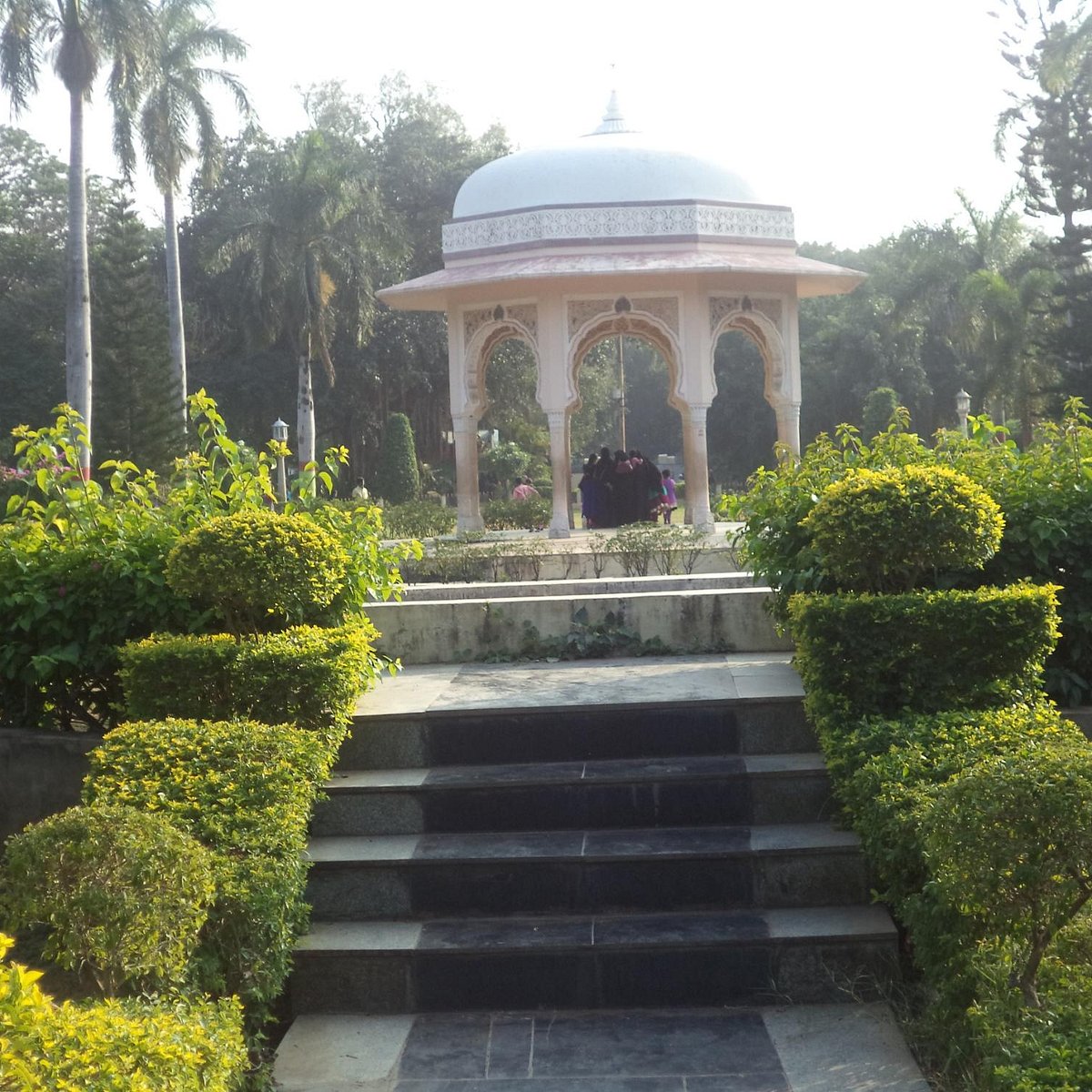
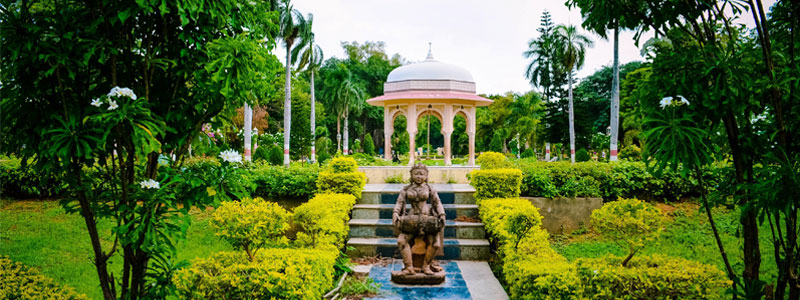
Public Gardens, also known as Bagh-e-Aam, is a historic park situated in the heart of Hyderabad, India. Established in 1846 by the 7th Nizam of Hyderabad, it holds the distinction of being the oldest park in Hyderabad. The park has played a significant role in the city's history and serves as a green oasis, offering a serene environment amidst the bustling urban landscape. Its rich heritage and natural beauty make it a popular destination for both locals and visitors.
Public Gardens, also known as Bagh-e-Aam, sometimes written as Bagheaam or Bagham, is one of the most iconic historic landmarks in Hyderabad, India. The name ?Bagh-e-Aam? derives from the Urdu words where ?Bagh? translates to garden and ?Aam? or ?Aam Jana? means the public, signifying its role as a garden meant for public use and enjoyment. Established in 1846 during the reign of the Nizams of Hyderabad, it is a testament to the city?s rich history and cultural heritage. While it was initially known by its Urdu name, the garden began being referred to as Public Gardens post-1980, reflecting its enduring identity as a space for community gathering. Originally sprawling over an area of 54 acres (220,000 m?), the park was a significant green space in the city and included a 7-acre (28,000 m?) pond, adding to its charm. Over time, however, the size of the garden reduced as portions of its land were repurposed for other developments. In its early days, part of the garden was allocated to the railways to facilitate the construction of the Hyderabad Railway Station, which was an essential step in modernizing transportation in the city. Later, in 1905, another portion of the land was utilized for the construction of the Jubilee Hall, an architectural marvel reflecting the grandeur of the Nizam?s era. A portion of the pond was also filled during this time to make way for these developments. As Hyderabad grew, several important structures were built within the garden?s premises, further reducing its area. These include the State Legislative Assembly, the State Museum, Jawahar Bal Bhavan, Indira Priyadarshini Auditorium, Lalitha Kala Thoranam, and Telugu University. Each of these establishments added to the significance of the area, transforming the garden into a multifaceted hub for governance, culture, and education. Despite the encroachments, the Public Gardens retained its essence as a beloved space for leisure and relaxation for the citizens. One of the notable features of the garden was a large fountain installed in 1937, which had been a significant attraction within its expansive lawns. However, in 2019, this historic fountain was demolished to make way for celebrations marking the Telangana Formation Day, a move that sparked mixed emotions among the public. Despite these changes and the reduction in its original size, the Public Gardens remains a cherished landmark that reflects the evolving history and development of Hyderabad, serving as a green retreat and a reminder of the city's Nizam-era heritage.
Year of Built: 18th Century
Address: Hyderabad, Telangana
Country: India
State: Telangana
District: Hyderabad
Pincode: 500457
Longitude: 78.4695
Latitude: 17.3982