
Indo Islamic Heritage


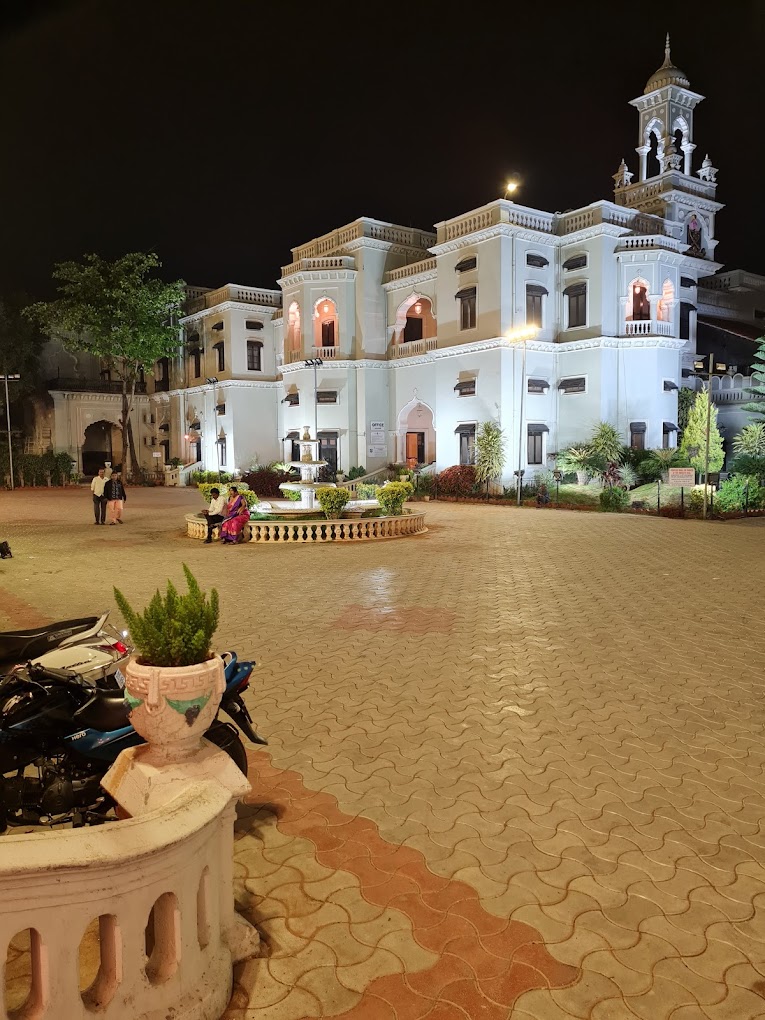
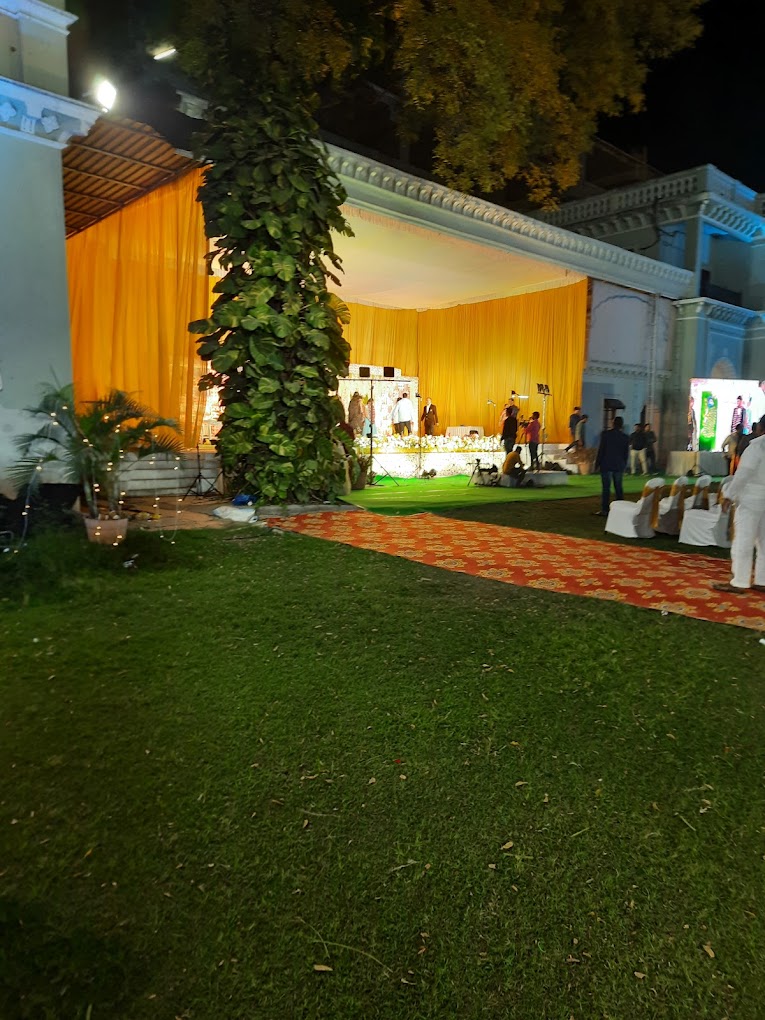
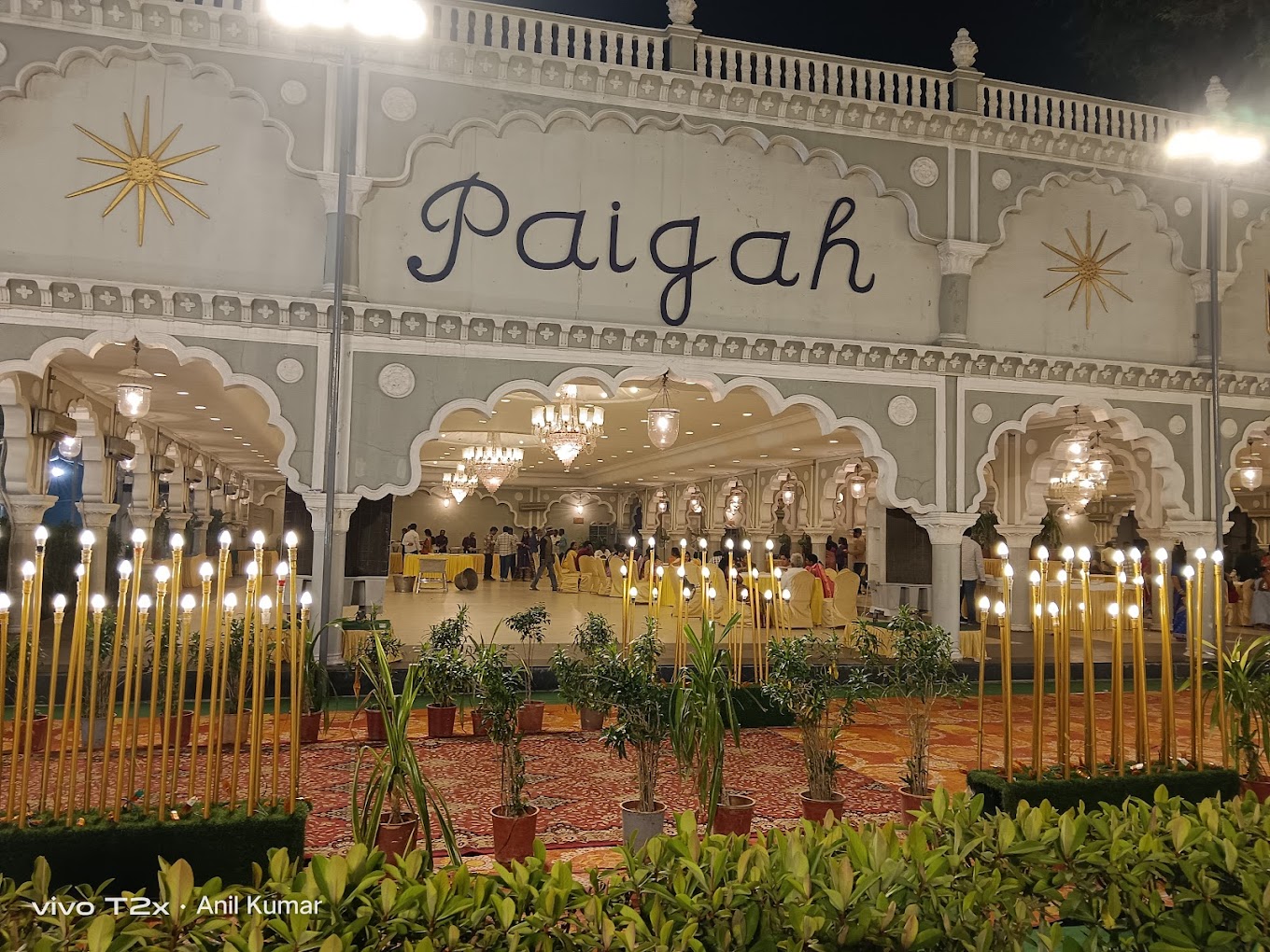
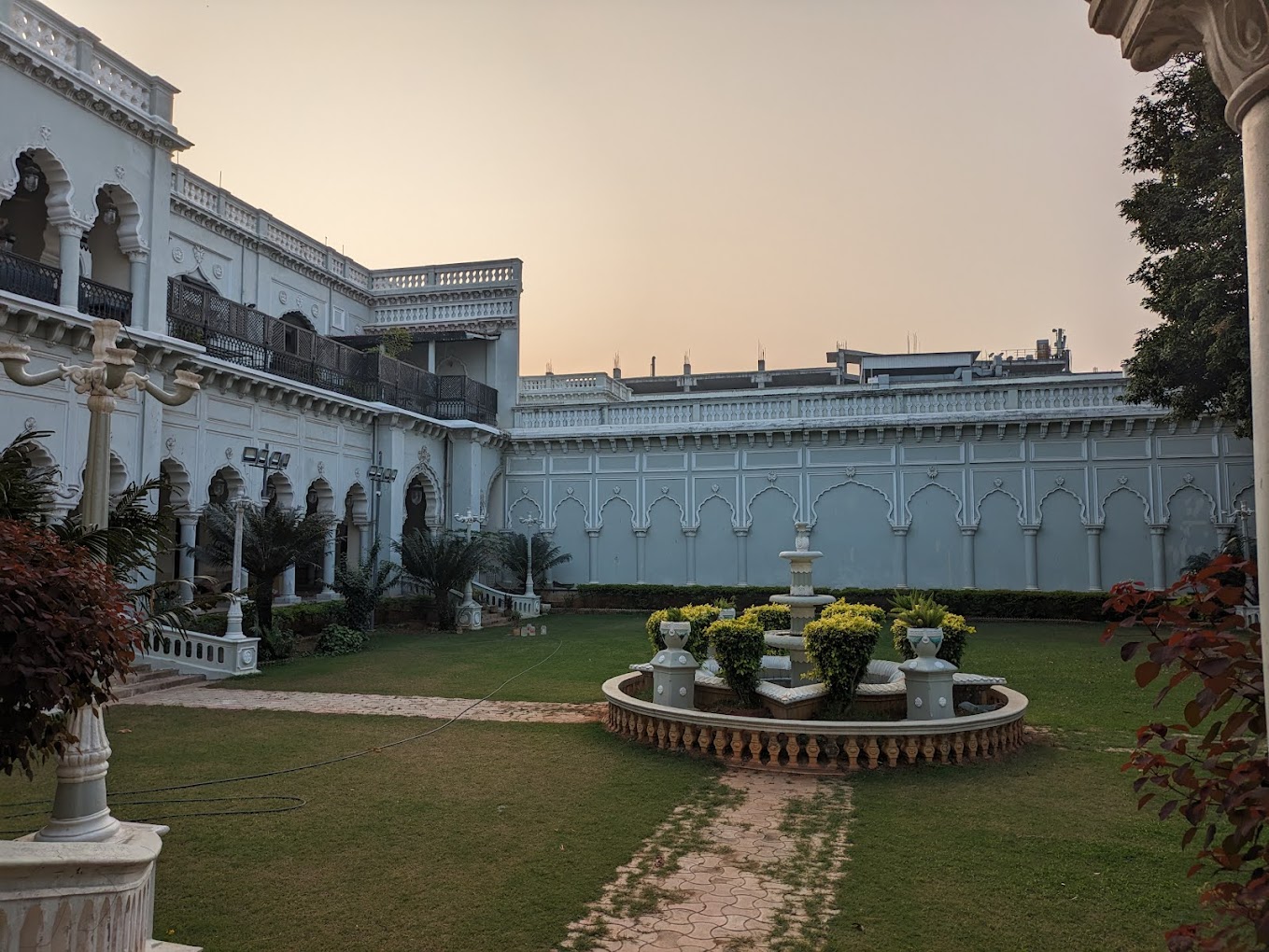
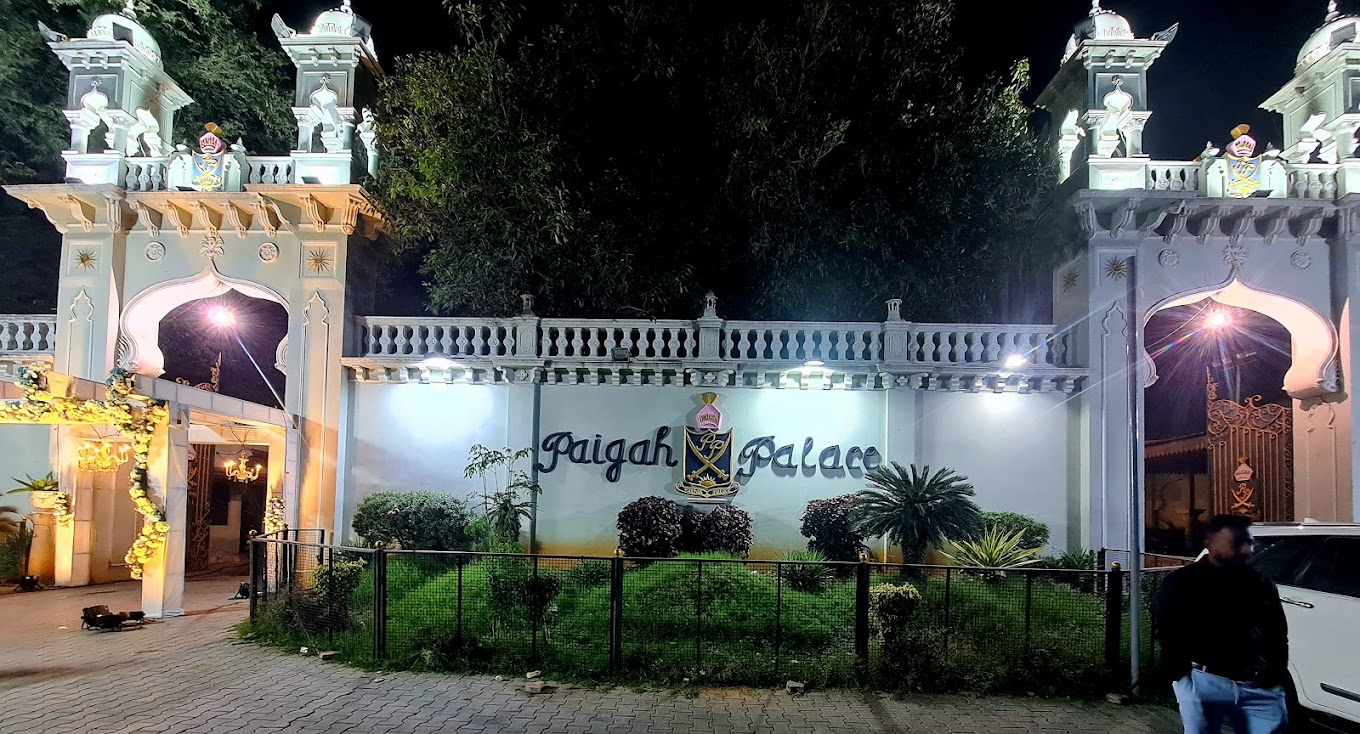
Paigah Palace, located in Hyderabad, is a significant historical structure associated with the Paigah nobility. The palace was built by Sir Vicar-ul-Umra, a prominent nobleman of the Paigah family. This construction followed the gifting of the Falaknuma Palace to the sixth Nizam of Hyderabad, Mahbub Ali Khan, Asaf Jah VI. The Paigah nobles were an influential family in Hyderabad's history, known for their wealth, political power, and contributions to the region's culture and architecture.
Between 1975 and 2008, the Paigah Palace, located in the heart of Hyderabad, served as the office of the Hyderabad Urban Development Authority. During this period, the palace, which had originally been a grand symbol of the Paigah family's status and legacy, underwent structural modifications. In 1999, a four-storey annexe was added to the rear side of the palace to accommodate the growing demands of the urban development office. This modern addition, however, did little to detract from the palace's historical charm. The Paigah family, one of the most prominent noble families in Hyderabad, held a distinguished position in the city?s social and political hierarchy. In fact, they ranked immediately below the ruling Nizam family, making them the second most important noble family in the region. The Paigahs were not just influential in the courts of the Nizam but were also famed for their contributions to the architectural landscape of Hyderabad. Among their many accomplishments was their role as the foremost palace builders of the city. One of the most notable architectural feats of the Paigah family was the construction of the Paigah Palace in Begumpet, completed in 1900 by Vikarul Umra, a prominent noble of the time. This palace stood as a testament to the family's wealth, taste, and political importance. Nawab Abul Fatah Khan Bahadur, the eldest grandson of Sir Vikar ul Umra and son of Amir e Paigah H.E. Nawab Sultan ul Mulk, was the last member of the Paigah family to reside in the Paigah Palace. His departure marked the end of an era for the family in this grand residence. The Paigah Palace was not the only grand building associated with the family, as several other magnificent structures lay in close proximity, including the Deoris of Nawab Muzaffar Nawaz Jung, Fareed Nawaz Jung, Nawab Nazir Nawaz Jung, Nawab Khair Nawaz Jung, and Nawab Hassan Yar Jung. These individuals were all grandsons of Sir Vikar ul Umra and played key roles in Hyderabad's noble society. Among these nearby palaces, the Deori of Nazir Nawaz Jung and Fareed Nawaz Jung, also known as the Chiraan Fort Palace, stands out for its striking Mughal architectural style. The Chiraan Fort Palace is a two-storey structure that features expansive verandas facing both outward to the street and inward to the tranquil courtyard. This palace, now partly converted into a club, retains much of its old-world charm, though part of it continues to serve as a private residence. This complex, along with other nearby palaces, reflects the grandeur of the Paigah family's legacy and their role in shaping the architectural and cultural landscape of Hyderabad. The Deoris and the Paigah Palace together paint a picture of opulence, power, and influence that defined an important chapter in the history of Hyderabad?s nobility.
Year of Built: 19th Century
Address: Patigadda, Begumpet, Hyderabad, Telangana
Country: India
State: Telangana
District: Hyderabad
Pincode: 500003
Longitude: 78.4766
Latitude: 17.4399