
Indo Islamic Heritage


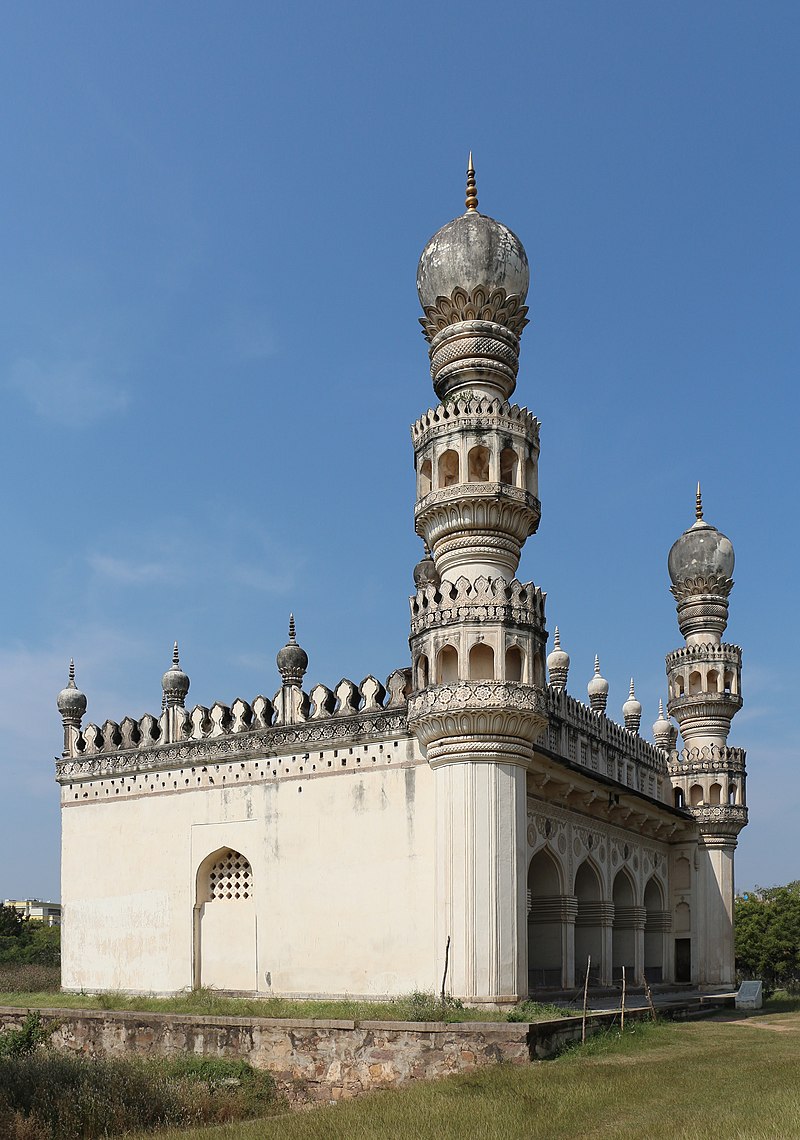
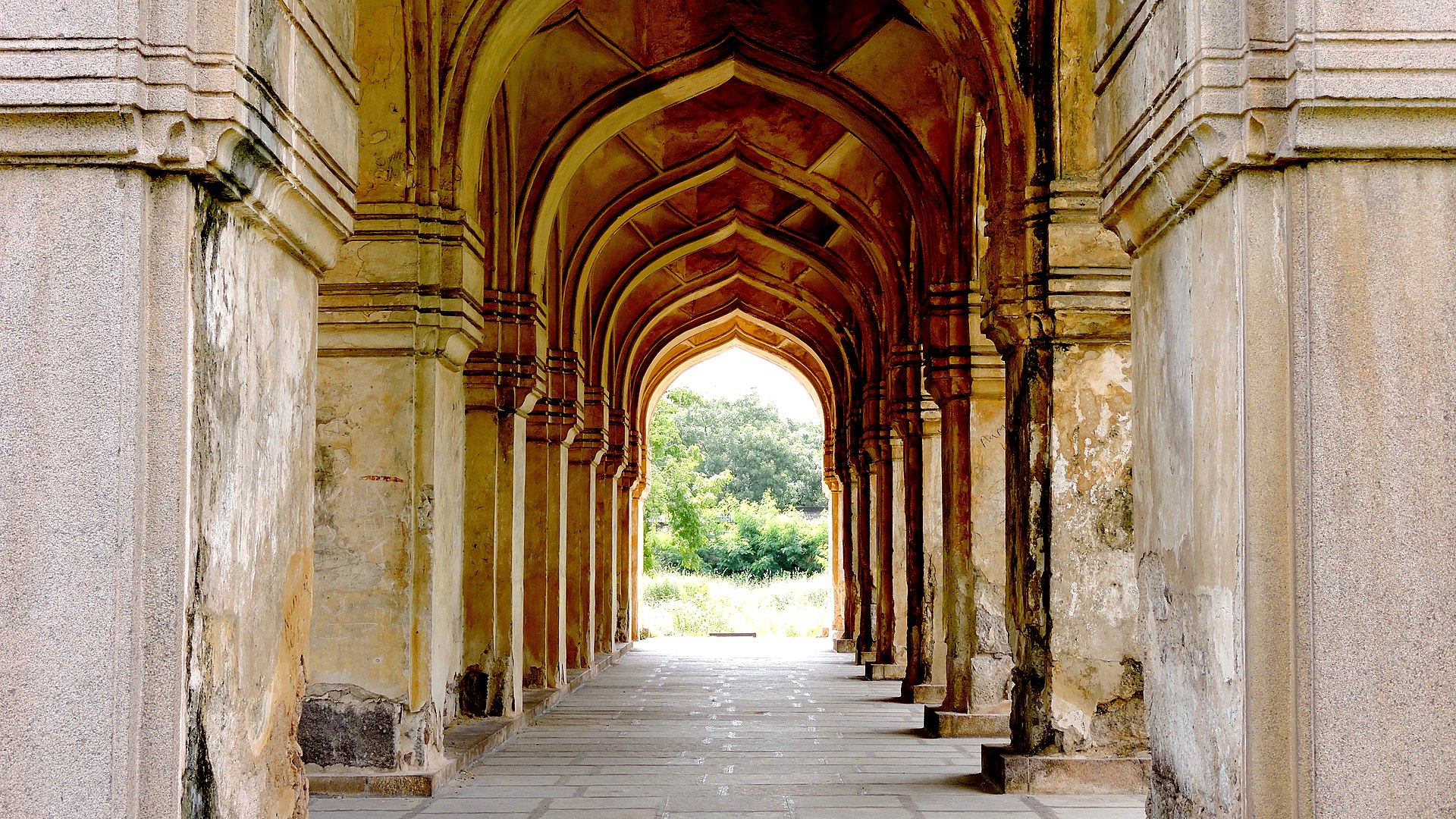
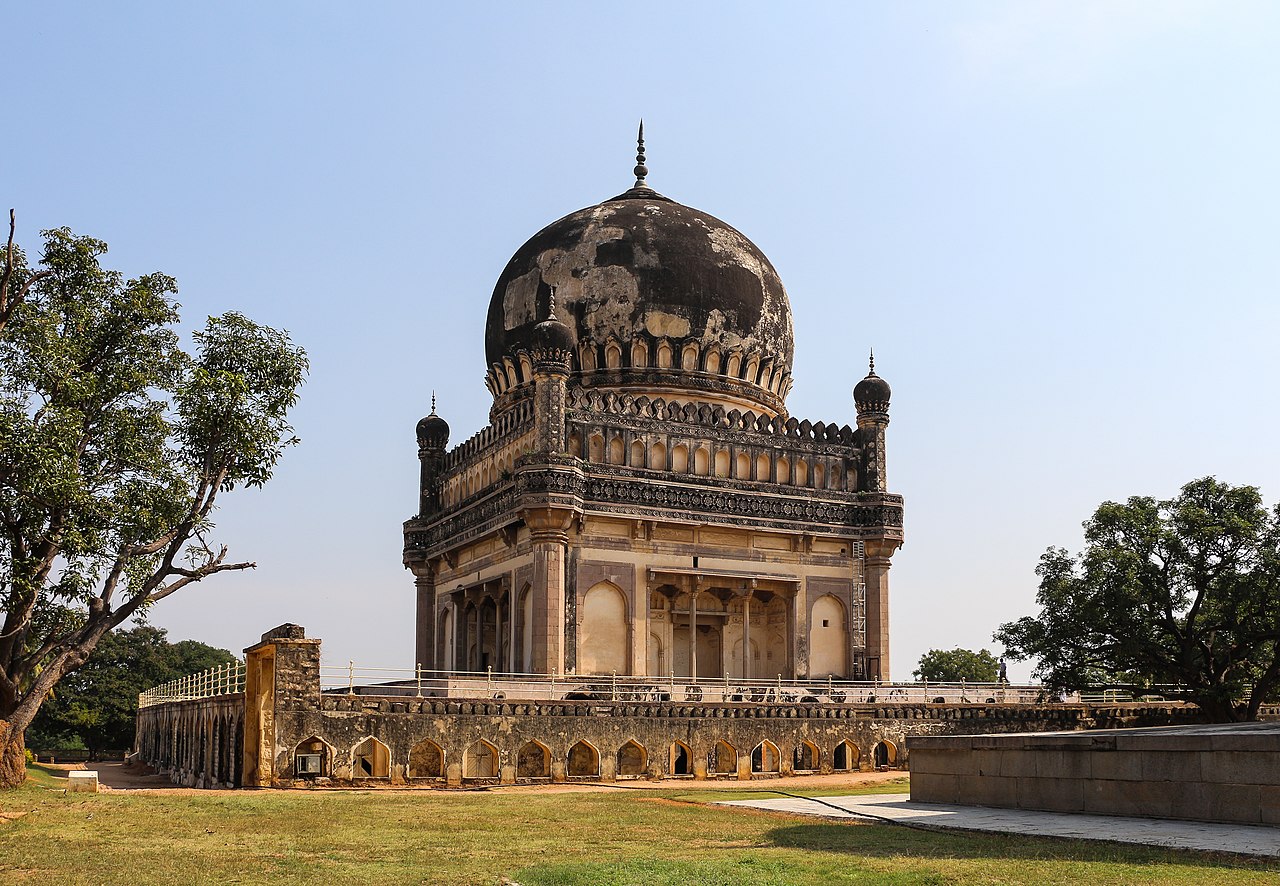
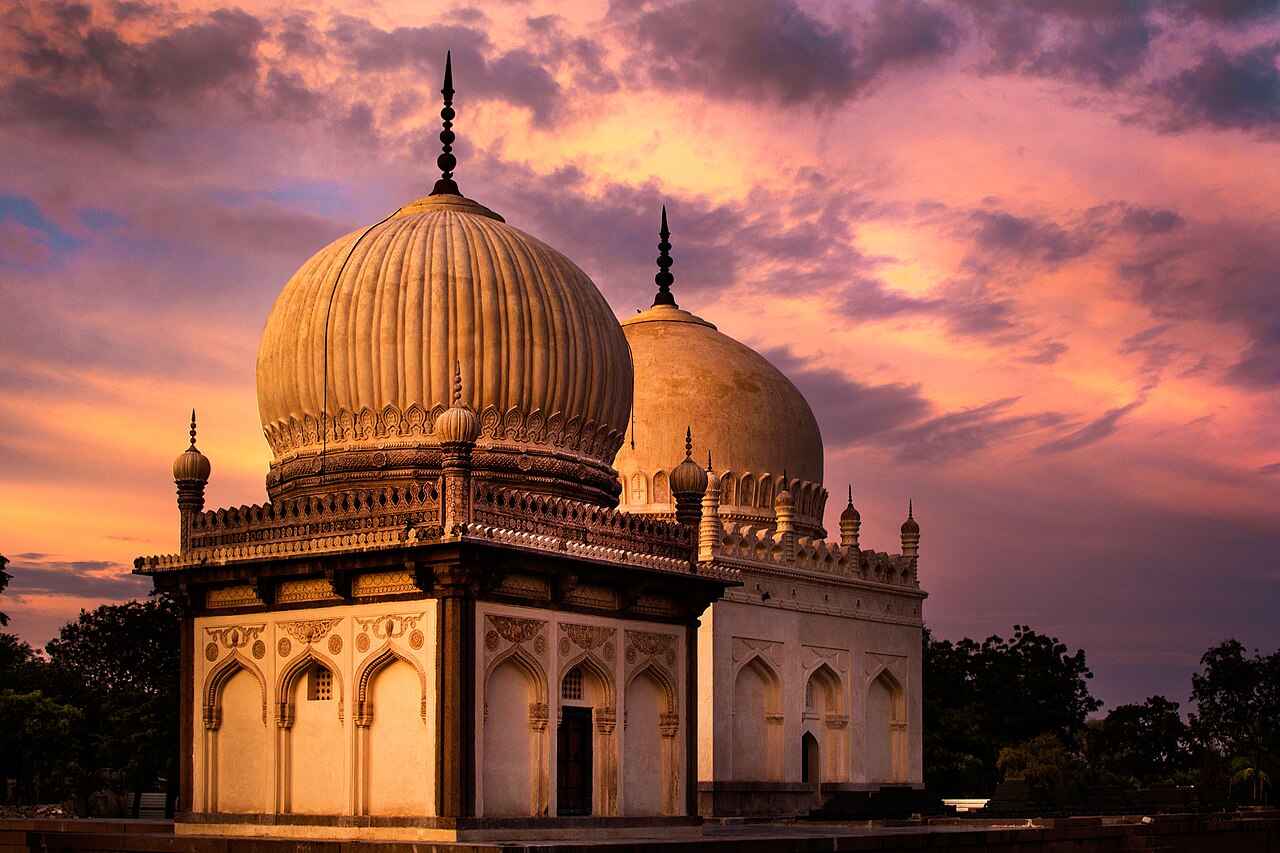
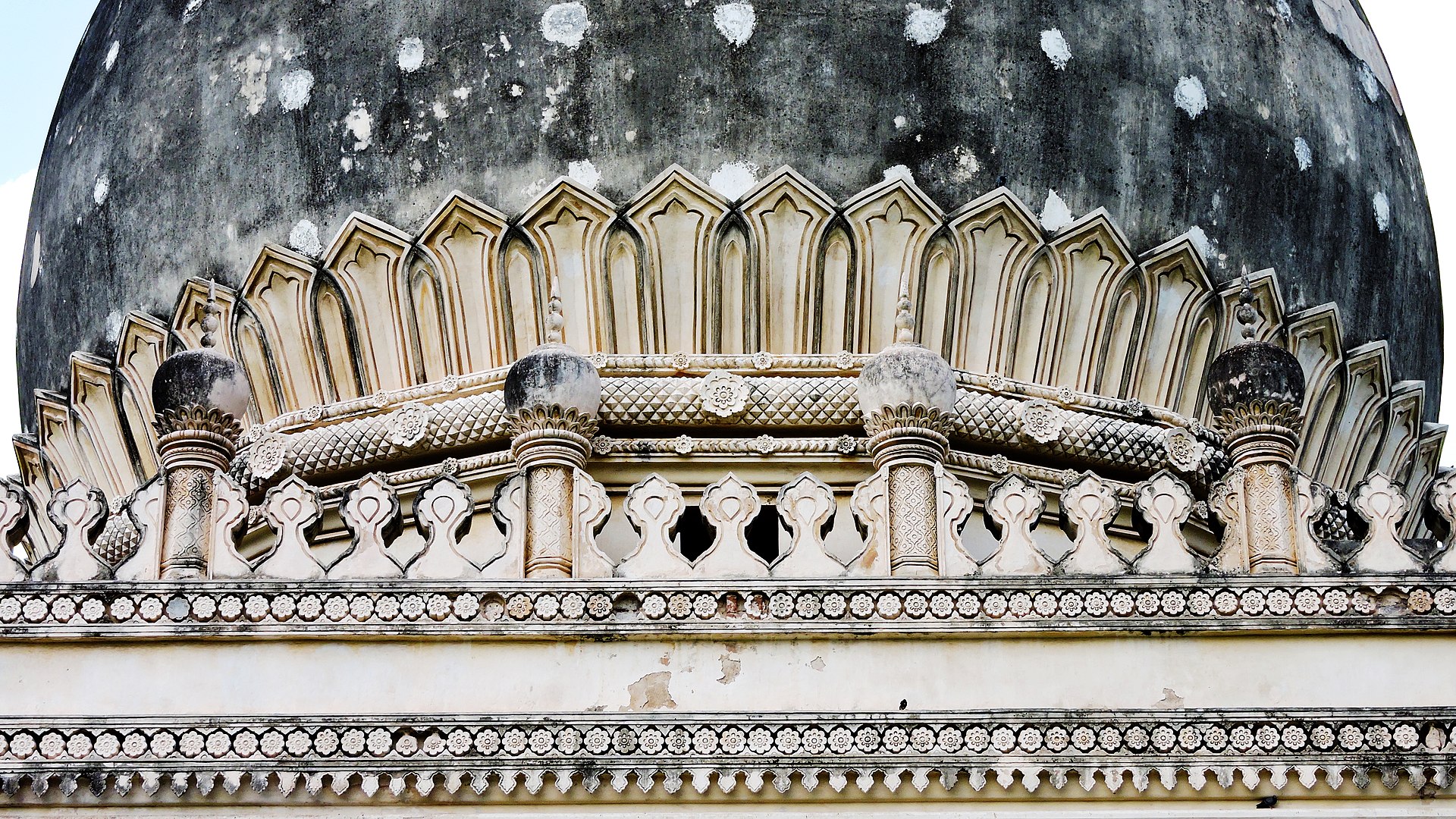
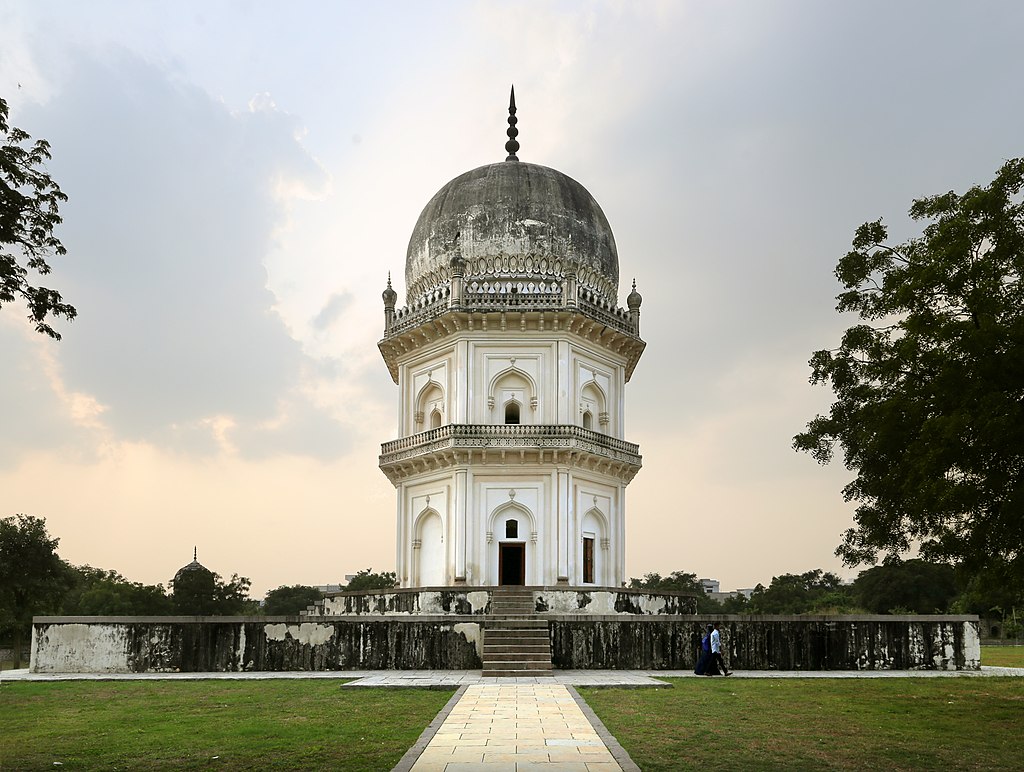
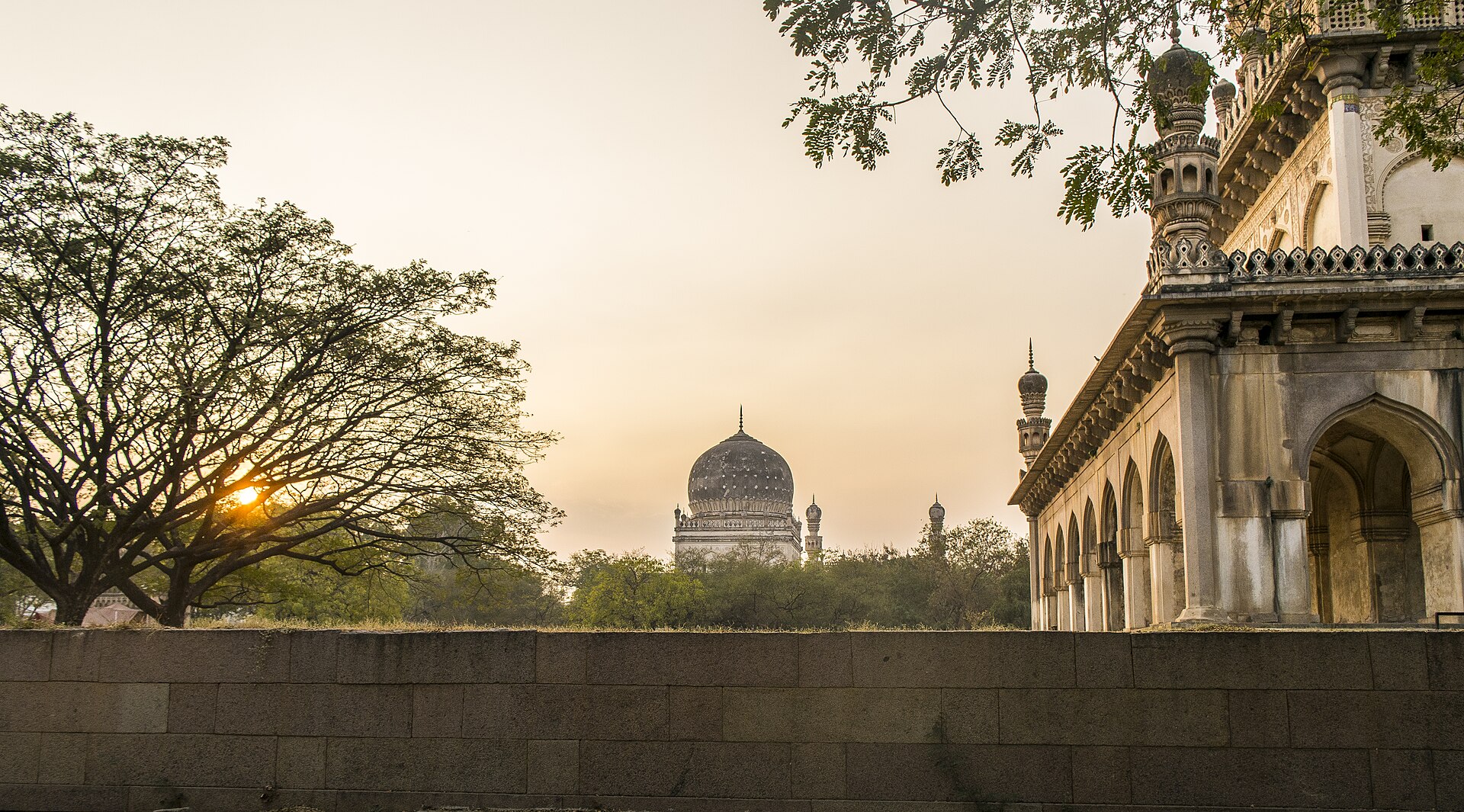
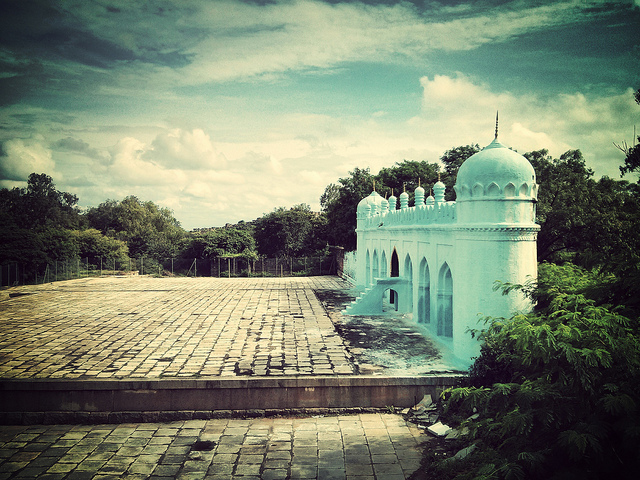
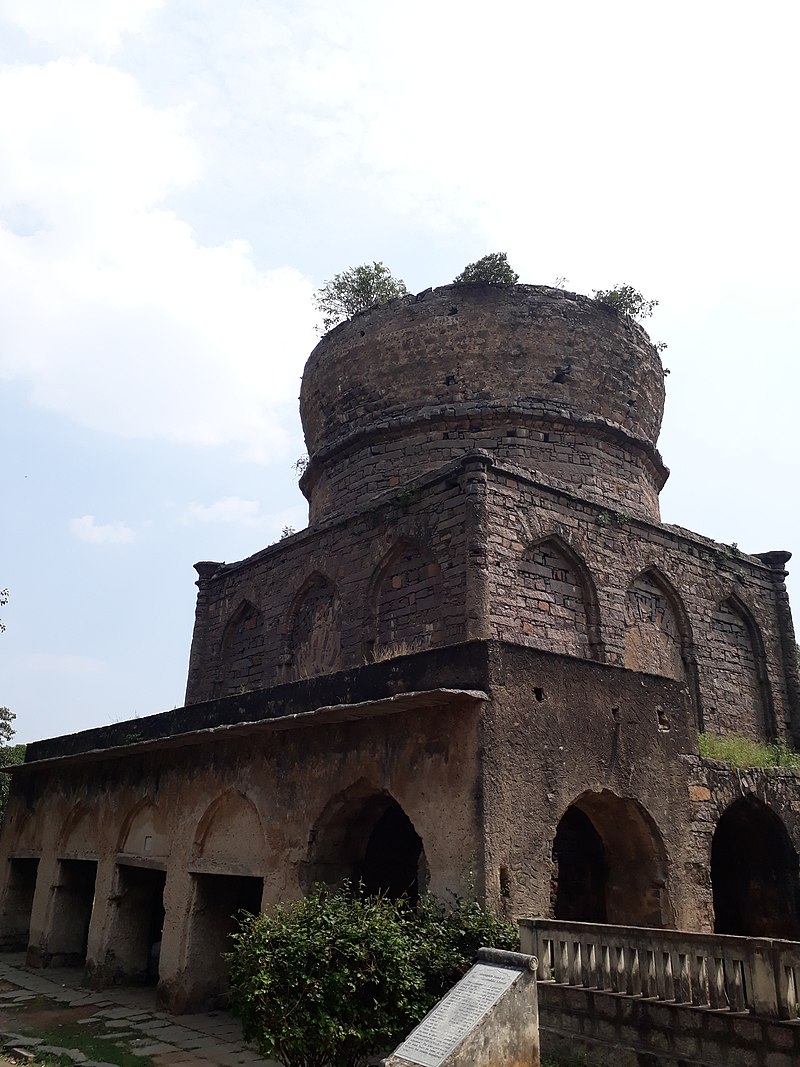
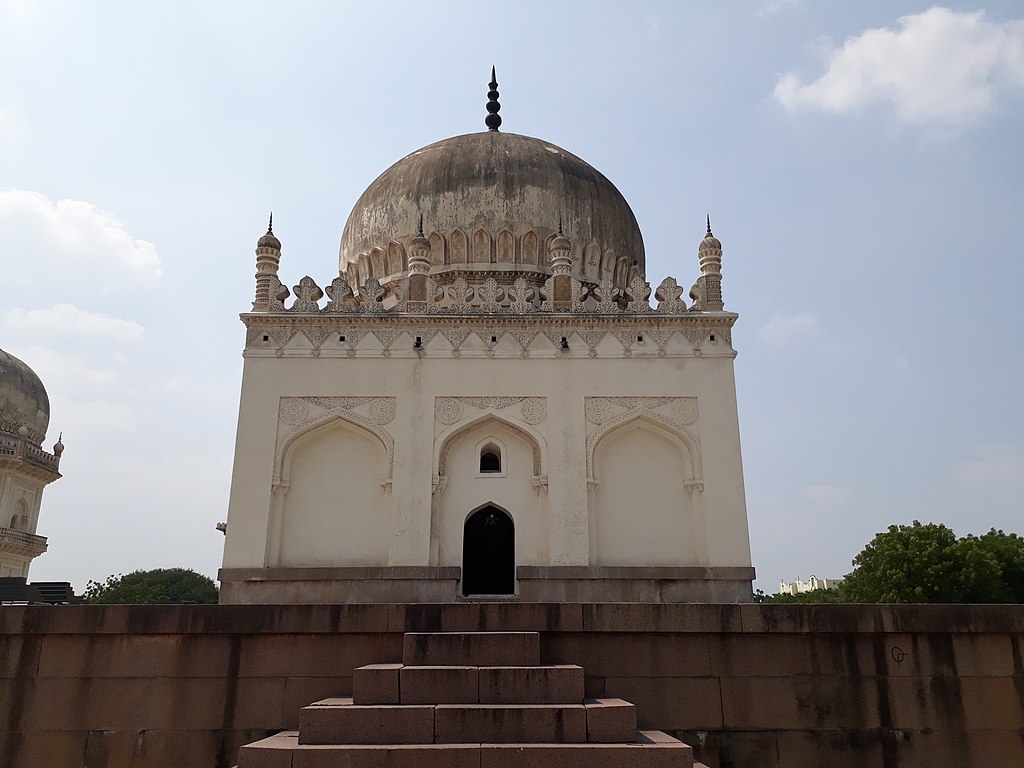
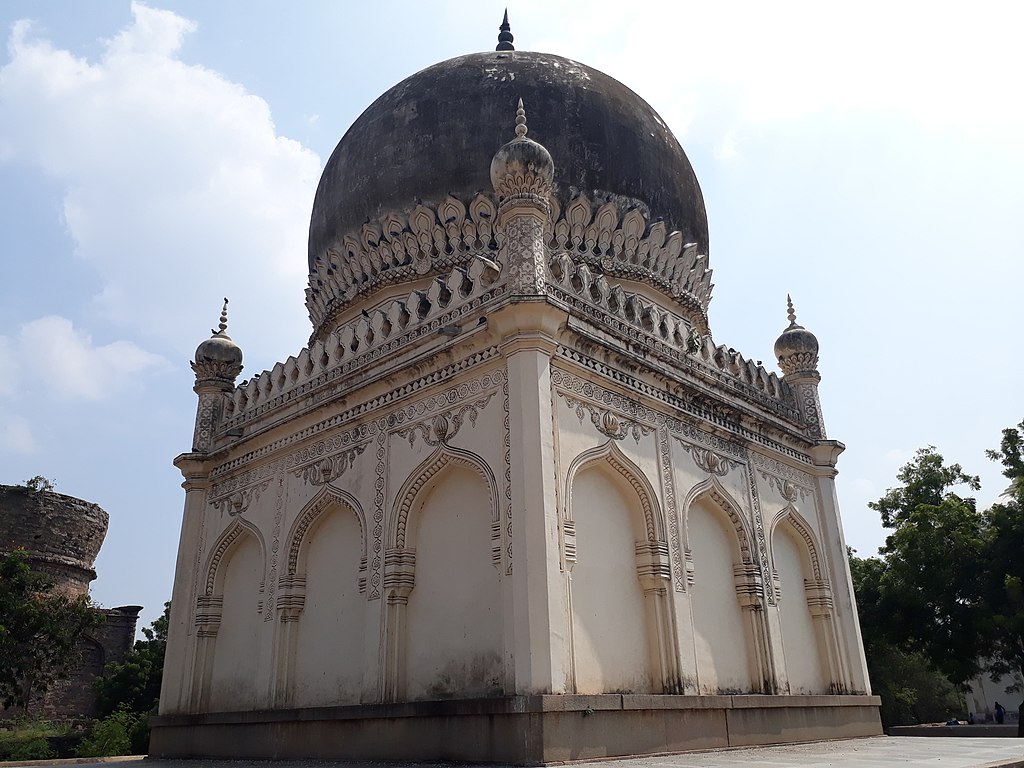
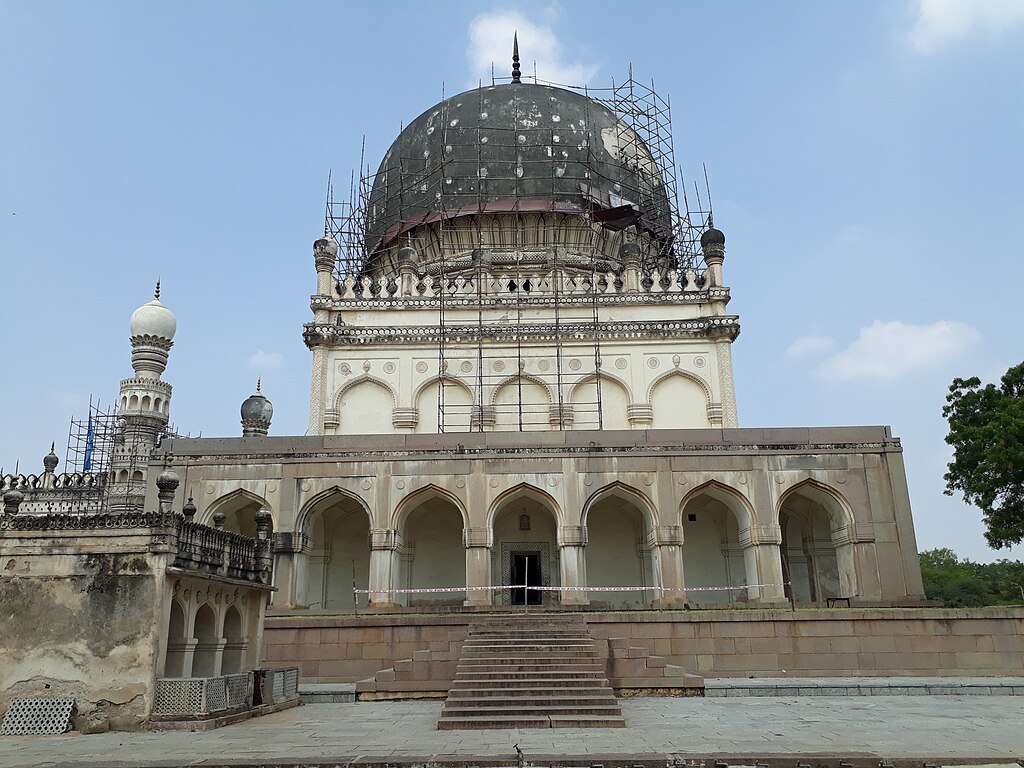
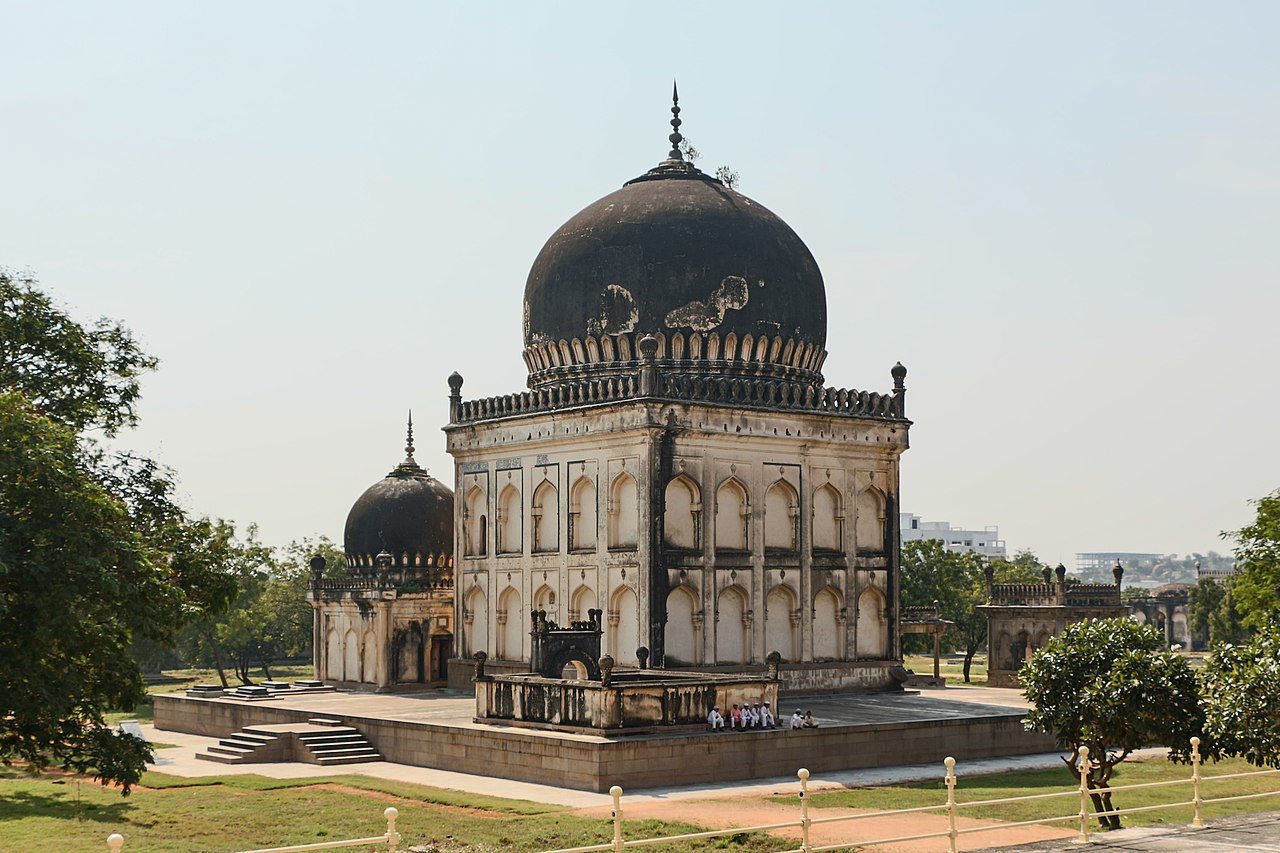
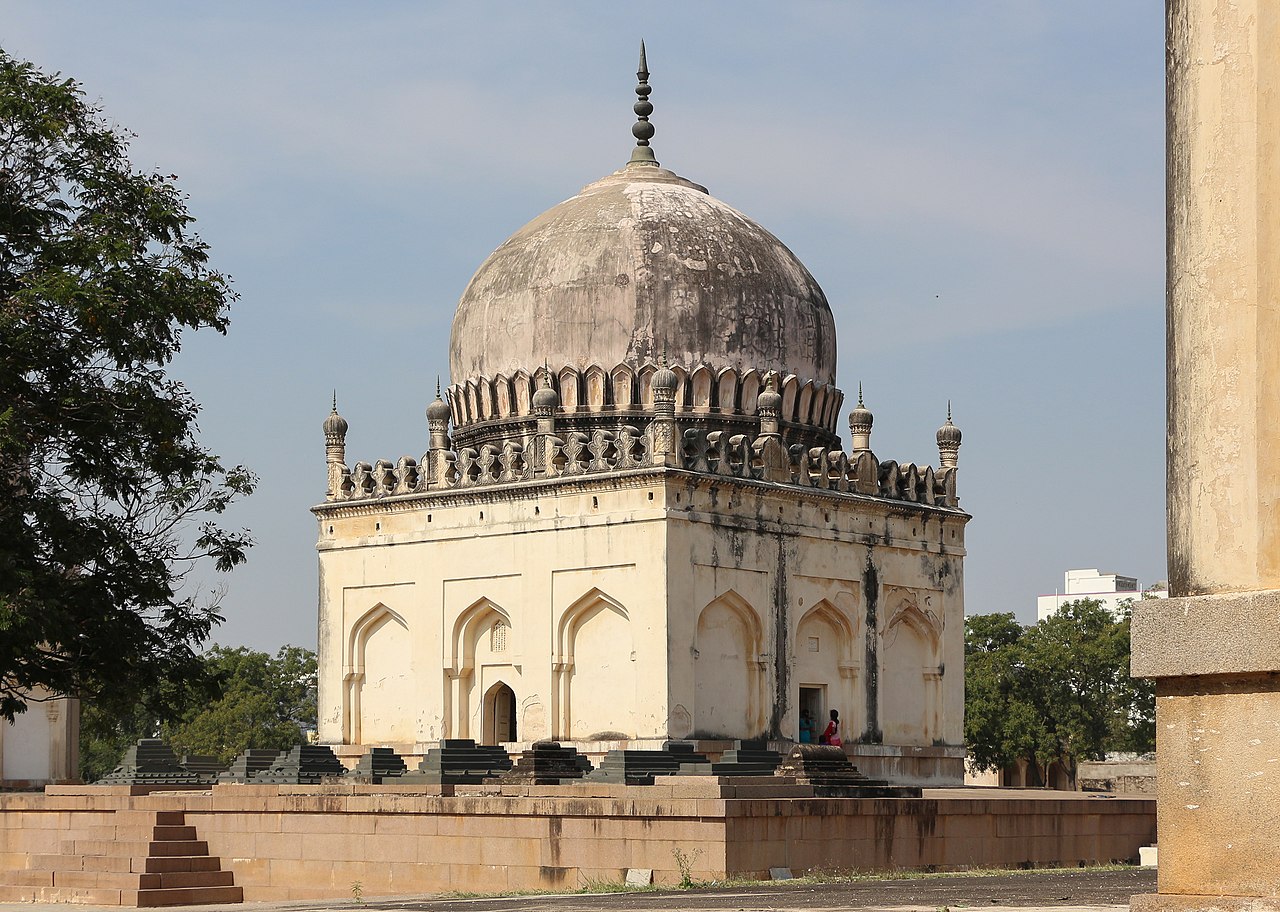
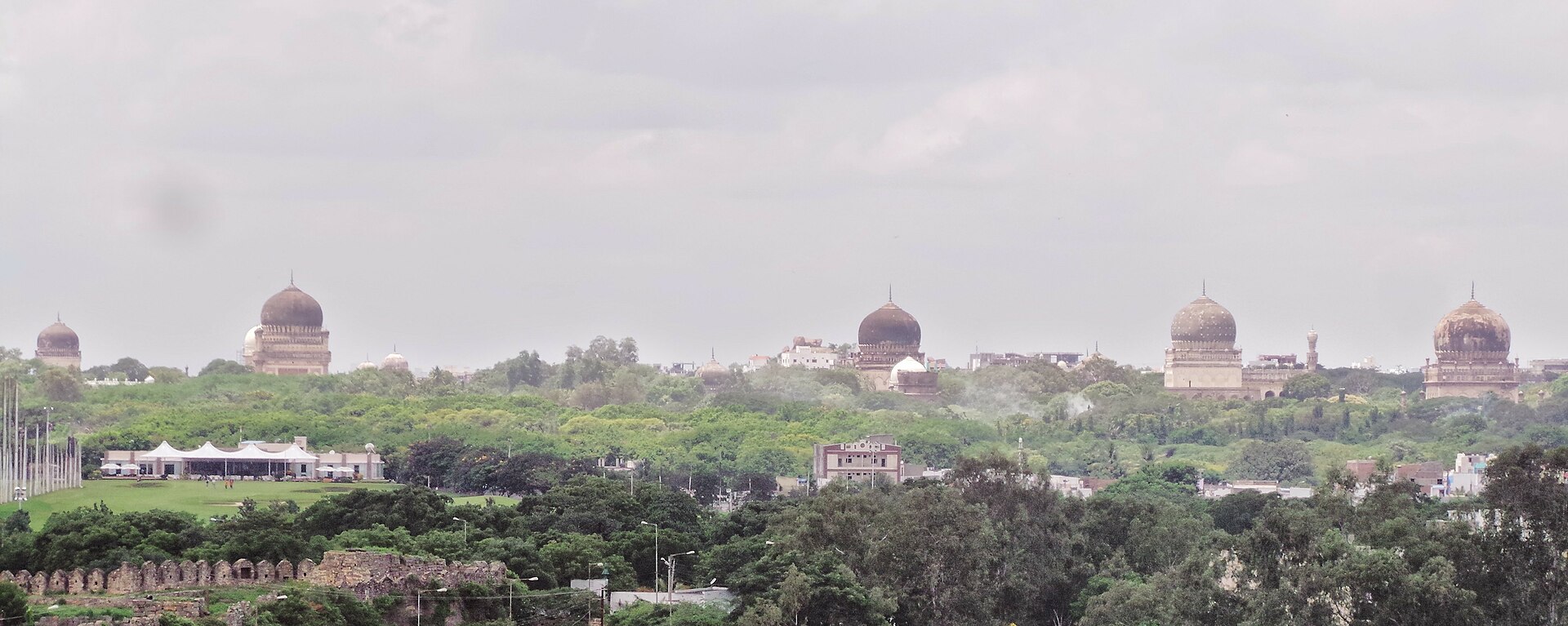
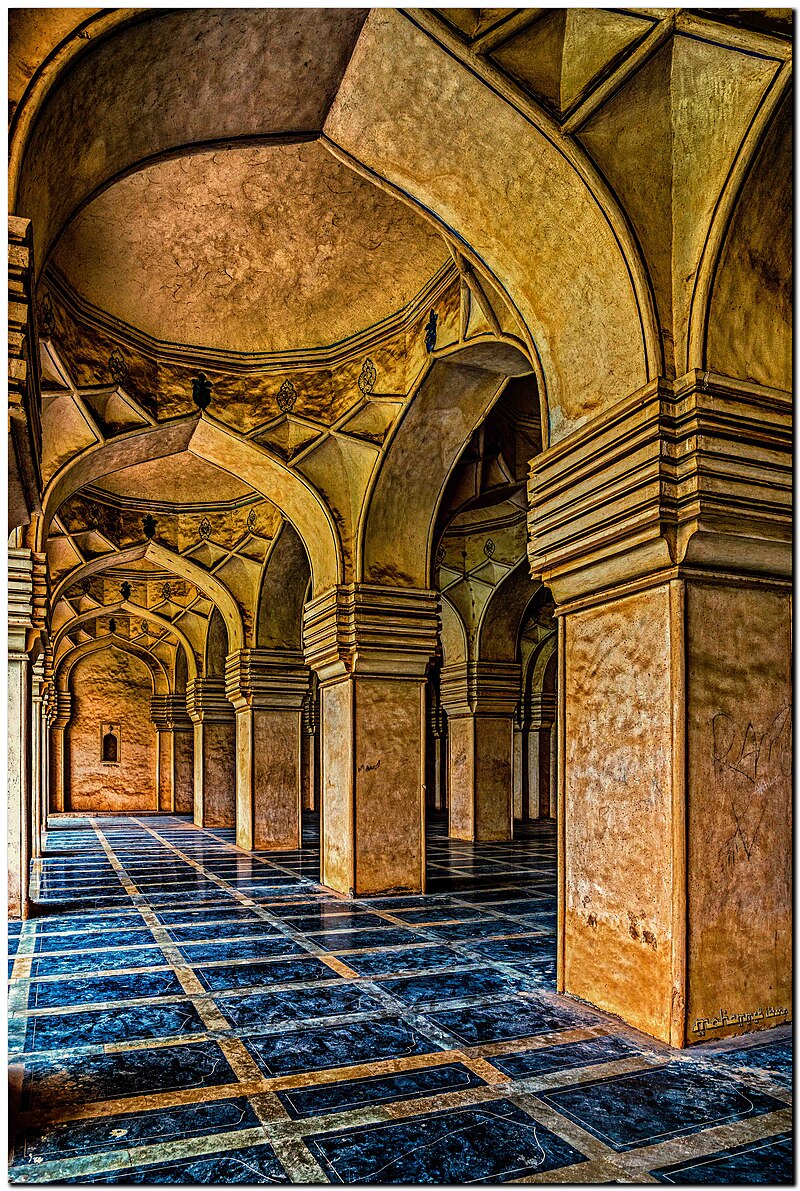
The Qutub Shahi Tombs, located in Ibrahim Bagh near the Golconda Fort in Hyderabad, India, are a significant historical site. These tombs serve as the final resting places of the rulers of the Qutub Shahi dynasty. The tombs vary in size, with the smaller ones being single-storied and the larger ones having two stories. In the center of each tomb lies a sarcophagus, which covers the actual burial vault located in a crypt beneath. Originally, the domes of the tombs were adorned with blue and green tiles, but only fragments of these tiles remain today, adding to the tombs' historical charm. The site offers a glimpse into the architectural and cultural grandeur of the Qutub Shahi period.
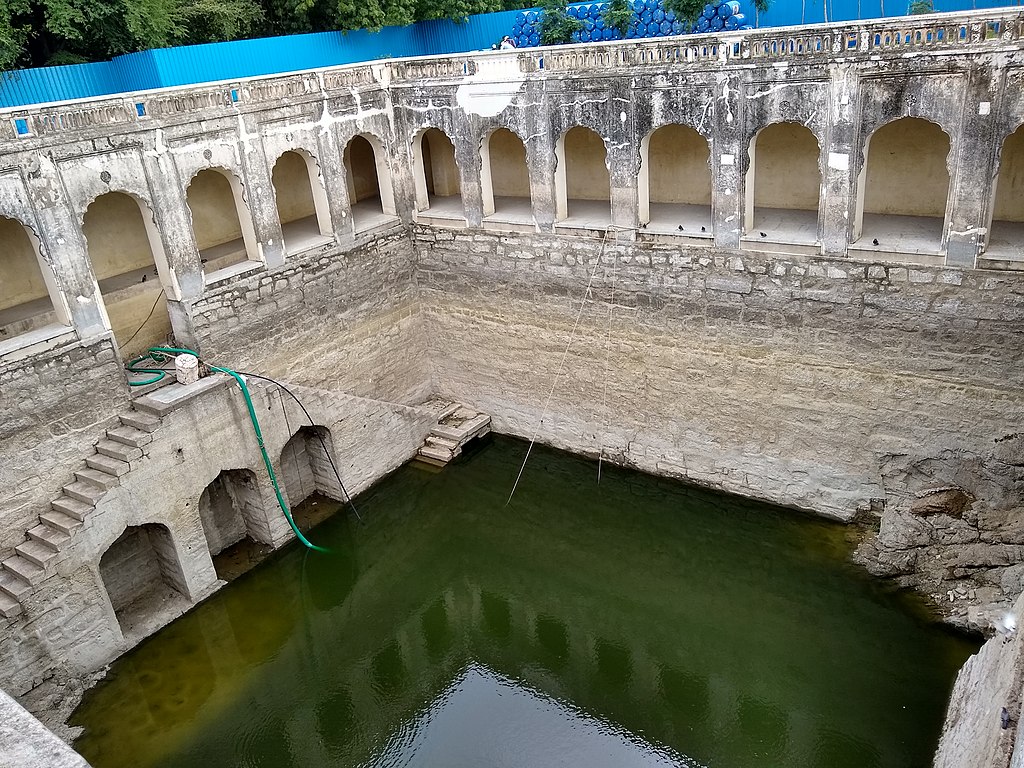
The Qutub Shahi Tombs form a large, impressive cluster of domed structures that stand on a raised platform, with each tomb built on a square base surrounded by pointed arches, combining Persian and Indian architectural styles. These tombs feature intricately carved stonework and are set within beautifully landscaped gardens. Once adorned with carpets, chandeliers, velvet canopies, and Quranic verses read at regular intervals, the tombs were further distinguished by golden spires placed atop the sultans' tombs. The site was held in great reverence during the Qutb Shahi period, though it faced defilement in 1687 during the Siege of Golconda, when the tombs were converted into barracks by the invading Mughal army. The tombs fell into disrepair until Sir Salar Jung III restored them in the early 19th century, adding a garden and a compound wall, turning the site back into a place of serene beauty. The complex is commonly known as the "Seven Tombs" as it houses the graves of seven out of the eight sultans of the Qutub Shahi dynasty. These include Sultan Quli Qutb-ul-Mulk (1518-1543), the first sultan, whose tomb sets the architectural example for his successors; Jamsheed Quli Qutb Shah (1543-1550), the second sultan, whose tomb is distinct for being two stories high and not made of black basalt; Subhan Quli Qutb Shah (1550), the third sultan, who ruled briefly; Ibrahim Quli Qutb Shah Wali (1550-1580), the fourth sultan, whose tomb features traces of enameled tiles; Muhammad Quli Qutb Shah (1580-1612), the fifth sultan, whose tomb is considered the grandest and stands on a large terrace; Sultan Muhammad Qutb Shah (1612-1626), the sixth sultan; and Abdullah Qutb Shah (1626-1672), the seventh sultan. Among other structures in the complex, one can also find the tomb of Hayat Bakshi Begum, the daughter of the fifth sultan, and a mosque dedicated to her. Additionally, an incomplete tomb of Mir Ahmed, the son-in-law of Abdullah Qutb Shah, can be found. Sultan Quli Qutb Mulk?s tomb, built in 1543, is an octagonal structure sitting on a raised terrace. The tomb chamber contains three graves, and the surrounding terrace holds twenty-one additional uninscribed graves. Jamsheed Quli Qutb Shah?s tomb, built in 1550, stands out for being two stories tall and lacking inscriptions. Subhan Quli Qutb Shah?s tomb, located between the tombs of his father and grandfather, features a simple design. Ibrahim Quli Qutb Shah's tomb, larger than Sultan Quli?s, was built in 1580 and adorned with tiles, although only remnants remain. Muhammad Quli Qutb Shah?s tomb, considered the grandest of the complex, was built in 1602 and is a square structure with inscriptions in Persian and Naskh scripts. Sultan Muhammad Qutb Shah?s tomb, built in 1626, features six graves with inscriptions, while Abdullah Qutb Shah?s tomb, the last royal tomb, stands as the final testament of the dynasty. In addition to the royal tombs, there are several others in the complex, such as the tomb of Fatima Sultan, the sister of Muhammad Quli Qutb Shah, and the twin tombs of two physicians who served Sultan Abdullah. Other notable tombs include those of courtesans Premamati and Taramati, who were favorites of Sultan Abdullah. Neknam Khan, a commander-in-chief, also has a tomb in the vicinity. The last Qutb Shahi Sultan, Abul Hasan Qutb Shah, known as Tana Shah, was buried elsewhere in Khuldabad, and the mausoleum he began for himself houses the grave of Mir Ahmed. Nearby, the dargah of Hussain Shah Wali, a revered Sufi saint, lies west of the tombs. This saint is remembered for constructing the Hussain Sagar in 1562. Among the non-tomb monuments in the garden are the mortuary bath, built by Sultan Quli to wash the bodies of deceased royals before burial, and the grand mosque of Hayat Bakshi Begum, which was constructed in 1666. The mosque?s fifteen cupolas and towering minarets add to the grandeur of the Qutb Shahi complex, where royal entertainment once took place every evening, free for all to enjoy.
Year of Built: 16th - 17th Century
Address: Qutub Shahi Tombs, Hyderabad, Telangana
Country: India
State: Telangana
District: Hyderabad
Pincode: 500008
Longitude: 78.396
Latitude: 17.395