
Indo Islamic Heritage


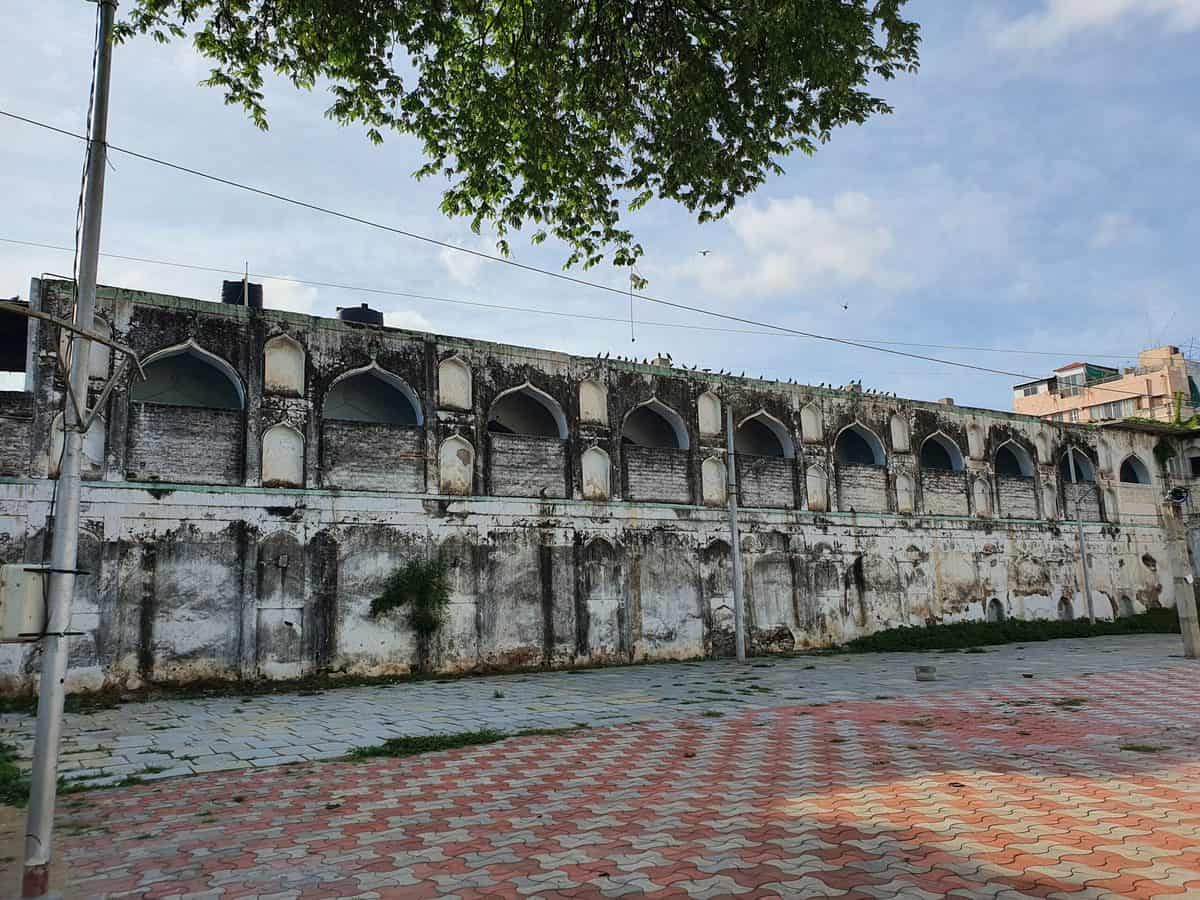
Built in 1595 during the reign of Mohammed Quli Qutb Shah, Darul Shifa was one of the first structures in Hyderabad. Initially designed as a hospital and residential college for Unani medicine, it provided free treatment to up to 400 patients at a time. The complex also houses an Ashurkhana, a space for mourning, and the Sartauq Alam, a steel standard with a relic of the fetters of Imam Zainul Abideen. It remains a key site for Shia Muslims, especially during Muharram, where they mourn the martyrs of the Battle of Karbala.
Darul Shifa, constructed in 1595 during the reign of Mohammed Quli Qutb Shah, holds the distinction of being one of the earliest structures built in the city of Hyderabad. Situated along Darul Shifa Road in the heart of the city, this historical building was initially designed as a dual-purpose establishment: a hospital and a residential college for Unani medicine. It was an innovative and crucial addition to the growing city, designed to cater to the health needs of the population. The hospital, which could treat up to 400 patients at a time, provided free medical services, emphasizing the philanthropic and progressive nature of the Qutb Shah dynasty. The institution attracted skilled physicians from across the globe, including Greece, Italy, and regions of the Persian Gulf, who contributed their expertise to the treatment of the ill. The Unani medical system, which had its roots in ancient Greece and was later refined by Arab scholars, was practiced here, making Darul Shifa a beacon of medical knowledge and care in the region. In addition to its medical function, Darul Shifa is historically significant for housing an Ashurkhana, a space used for mourning and religious rituals. The Ashurkhana is particularly important to the Shia Muslim community, as it contains the Sartauq Alam, a steel standard that holds a revered relic: a piece of the fetters of Hazrat Zainul Abideen, the fourth Imam in Shia Islam. This relic is highly revered, and Muslims gather at Darul Shifa, especially during the first ten days of Muharram, to mourn the tragic deaths of the martyrs of the Battle of Karbala. The architectural design of Darul Shifa reflects the cultural and intellectual vibrancy of the period. Its construction marks a blend of Islamic architecture and the prevailing medical advancements of the time, making it an essential landmark in Hyderabad?s history. While the building?s primary purpose was to serve as a medical and educational institution, it also became a place for religious reflection and community gathering, particularly during the observances of Muharram. Today, Darul Shifa remains an important historical and religious site. It stands as a testament to the advanced thinking of the Qutb Shah dynasty, whose legacy in healthcare, architecture, and religion continues to influence Hyderabad. The site remains an important part of the city?s heritage, drawing visitors both for its historical significance and its continued role in religious observances, particularly for the Shia community.
Year of Built: 1595 CE (Reign of Mohammed Quli Qutb Shah)
Address: Darul Shifa Rd, Darulshifa, Hyderabad, Telangana 500024, India
Country: India
State: Telangana
District: Hyderabad
Pincode: 500024
Longitude: 78.4733
Latitude: 17.3691