
Indo Islamic Heritage


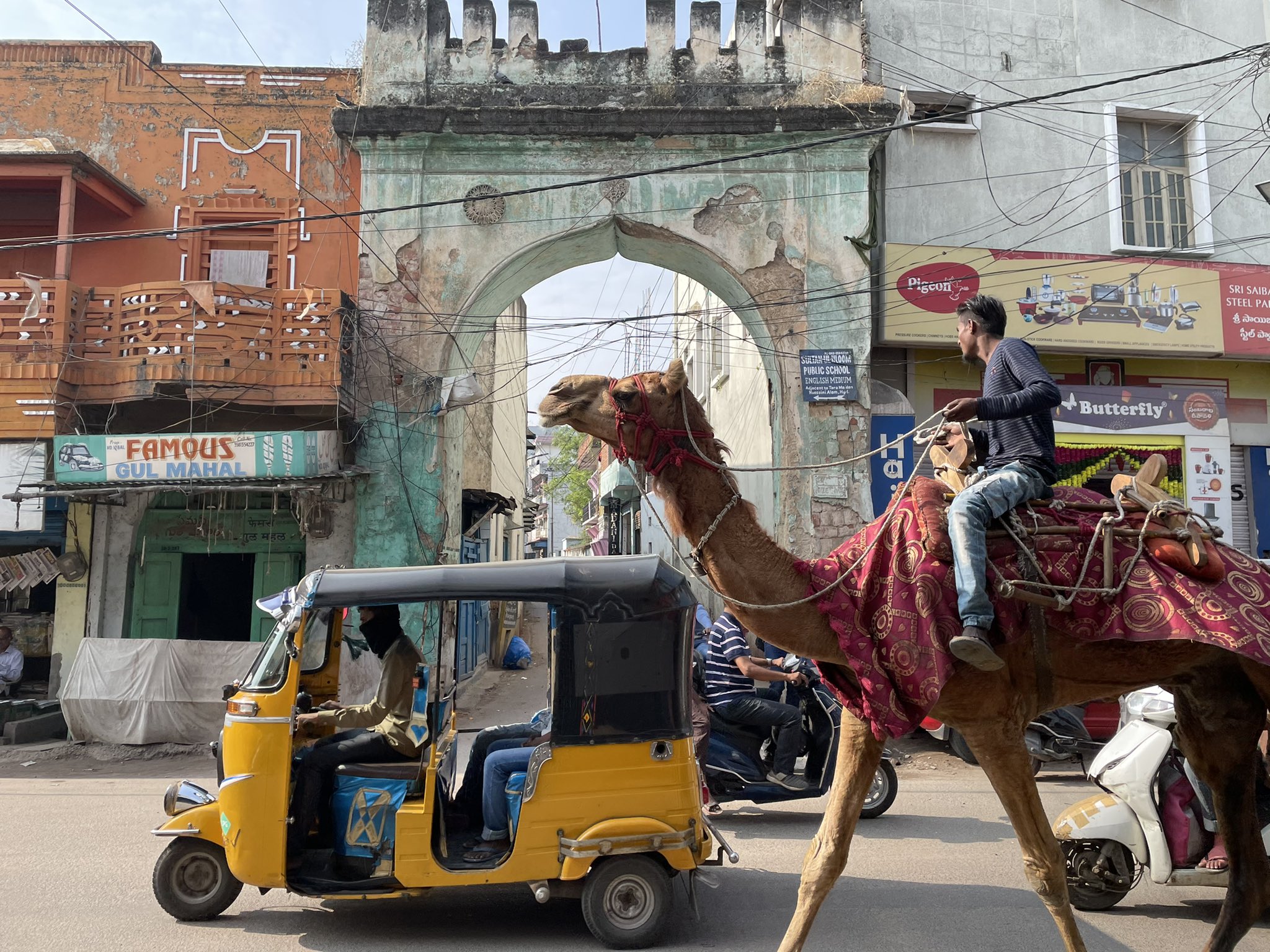
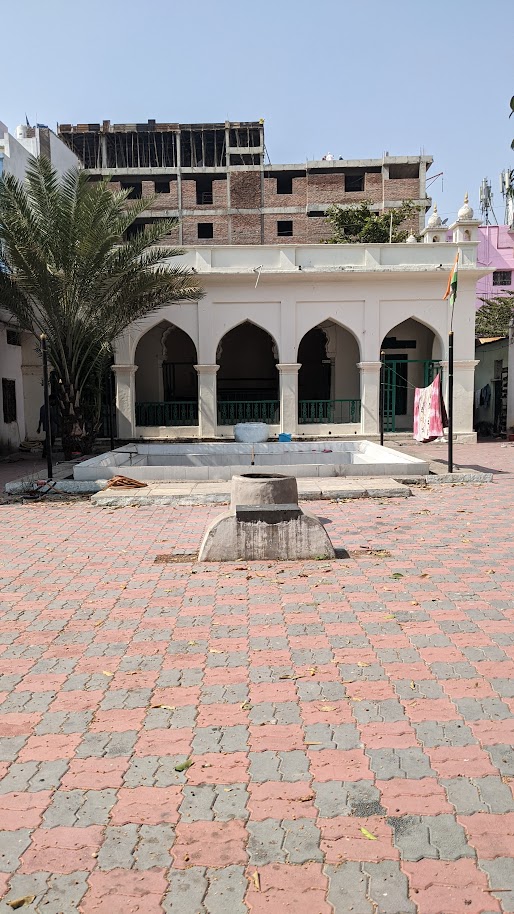
The Hussaini Alam Ashurkhana, built during the reign of Muhammad Quli Qutb Shah, is a historic house of mourning that has become integral to the identity of the Hussaini Alam area. The Ashurkhana is famous for housing relics that give the locality its name. The tale of the Wild Elephant, where Queen Mother Hayat Baksh Begum promised a gold chain offering to the Ashurkhana for the safe return of her son, the crown prince, immortalized this site. Its unique architecture, including lime mortar stone masonry and a jack arch roof, makes it a significant structure in Hyderabad.
The Hussaini Alam Ashurkhana is one of the most iconic and historic monuments in Hyderabad, built during the reign of Muhammad Quli Qutb Shah, the founder of the Qutb Shahi dynasty. It is a house of mourning, or Ashurkhana, dedicated to commemorating the tragedy of Karbala and the martyrdom of Imam Hussain and his companions. This structure holds great significance, as it not only serves as a religious site but also stands as a testament to the architectural brilliance of the time. The Ashurkhana was constructed during the early 17th century, and its history is intertwined with the rich cultural and religious heritage of Hyderabad. The name ?Hussaini Alam? is derived from the Ashurkhana, as it was the center for religious and social gatherings in the locality. The area itself became known by this name, cementing the Ashurkhana?s legacy. One of the most famous stories associated with the Hussaini Alam Ashurkhana is the Tale of the Wild Elephant. The story goes that when Abdullah Qutb Shah, the crown prince of the kingdom, went missing while riding an elephant, his mother, Queen Mother Hayat Baksh Begum, prayed to the Imams for his safe return. She vowed that if he were returned to her safely, she would offer a Langar (gold chain) to the Ashurkhana. The prince?s safe return was seen as a divine miracle, and the Queen Mother fulfilled her vow by donating the Langar to the Ashurkhana. This event became the foundation for the Langar procession, which continued every year on the 5th day of Muharram from the mid-1600s until the early 20th century. The architecture of the Hussaini Alam Ashurkhana is an outstanding example of the ingenuity of its builders. Constructed using lime mortar plastered over stone masonry, the building has a distinct design. The roof is created using the jack arch technique, a construction method that was highly advanced at the time. The arches and roof are not only functional but also aesthetically pleasing. The courtyard features an ablution tank with a fountain, which adds to the grandeur and peaceful atmosphere of the structure. The Hussaini Alam Ashurkhana remains an essential center for religious activities, particularly during the month of Muharram, when Muslims gather to mourn the martyrs of Karbala. The significance of the Ashurkhana is such that the entire locality took its name from the site, solidifying its place in the religious and cultural fabric of Hyderabad. Today, the Hussaini Alam Ashurkhana stands as a historic landmark, drawing visitors from all over, not just for its spiritual importance but also for its unique architectural and historical value.
Year of Built: Early 17th century (during the reign of Muhammad Quli Qutb Shah)
Address: Ashoor Khana, Khilwath Kaman, Hussaini Alam Rd, inside Hussaini Alam, Charmahal Petla Burz, Hussaini Alam, Hyderabad, Telangana 500064, India
Country: India
State: Telangana
District: Hyderabad
Pincode: 500064
Longitude: 78.4679
Latitude: 17.3599