
Indo Islamic Heritage


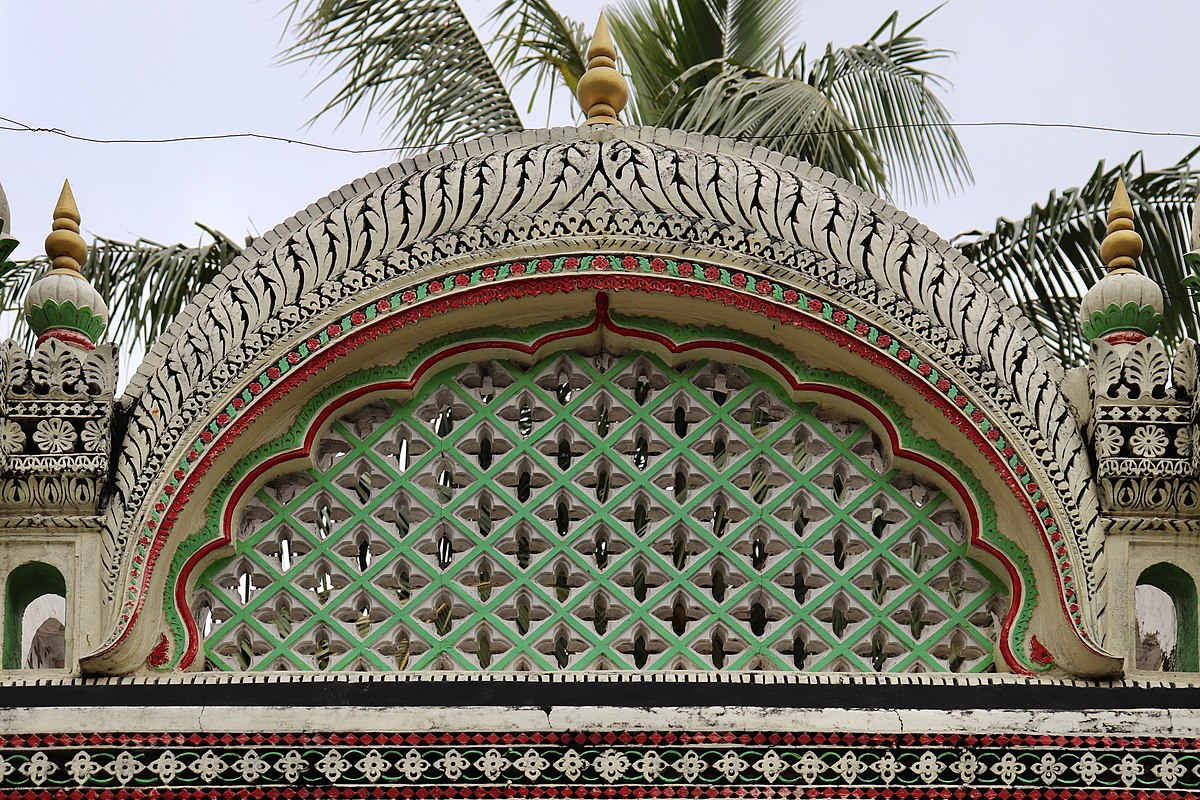
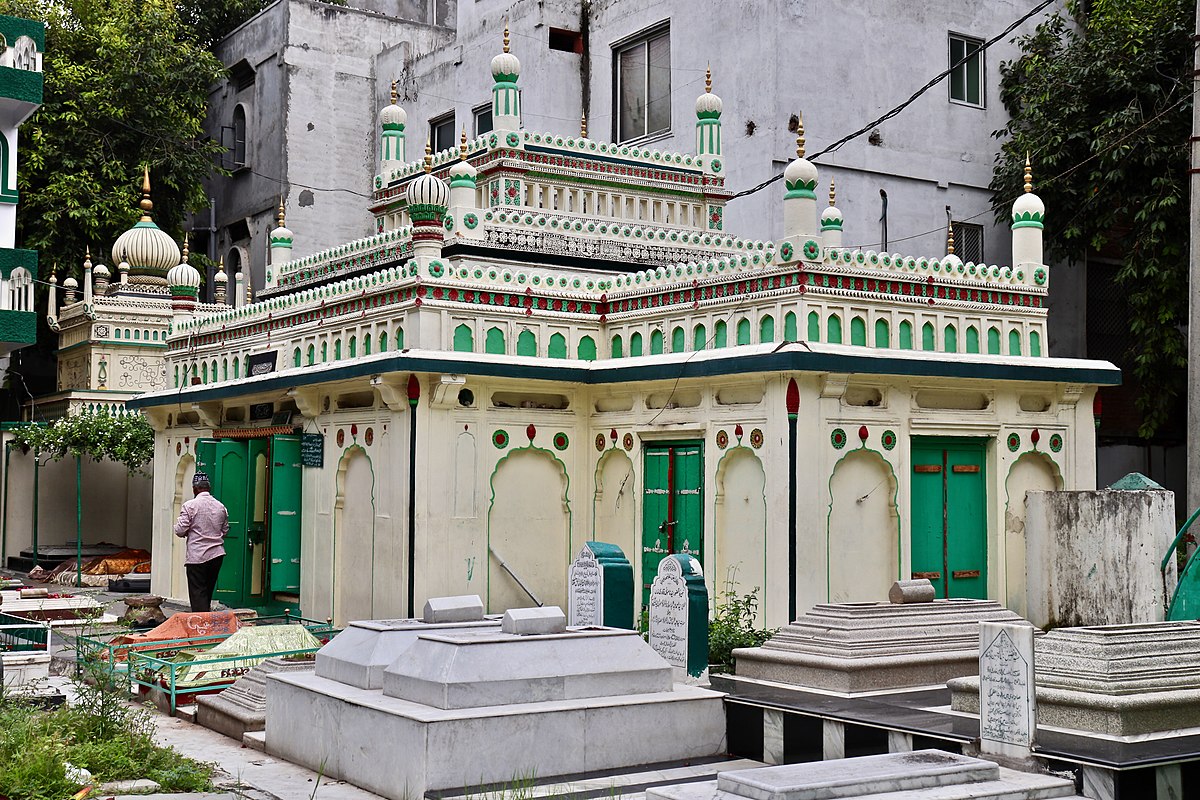
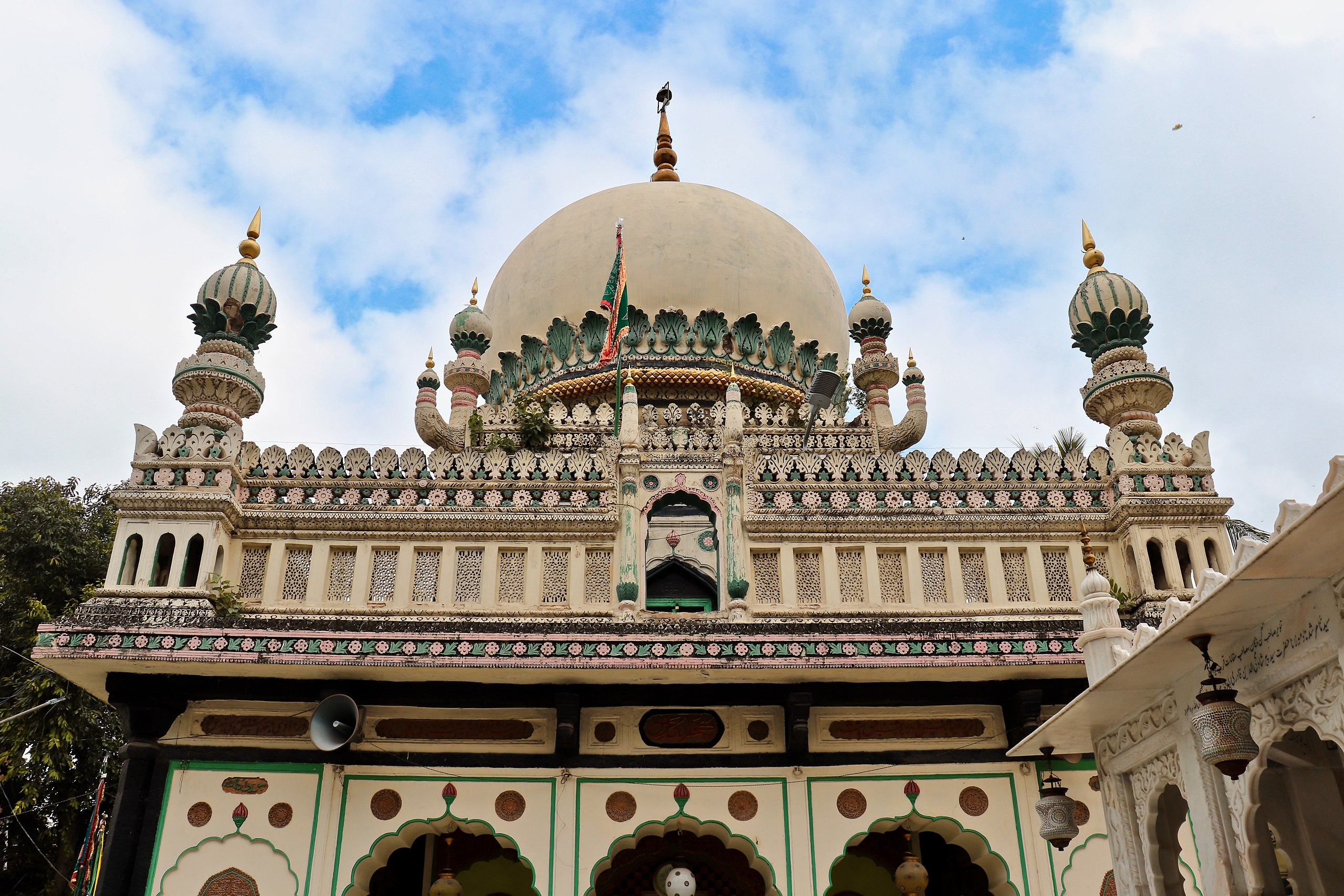
The Dargah of Hazrat Shah Moosa Quadri, built in 1801 during the reign of Sikander Jah, is a two-storied tomb located within a large compound accessible through the Naqarkhana (drum house). The architecture reflects the late Mughlai style, with the dome transitioning from bulbous to flatter profiles. Inscriptions on the structure narrate the history of the saint and dargah. The site has historical significance as a refuge during the flood of the Musi river, and it continues to attract many visitors, with its chandeliers illuminating the evening atmosphere.
The Dargah of Hazrat Shah Moosa Quadri is a significant historical and spiritual site located in Hyderabad, Telangana, India. Built in 1801 during the reign of Sikander Jah, this dargah is dedicated to the revered Sufi saint Hazrat Shah Moosa Quadri. The tomb is a two-storied structure located within a large compound, providing a place of reflection and solace for visitors. The architecture of the dargah is a testament to the late Mughlai style, with distinct features that differentiate it from earlier Mughal constructions. One of the most notable architectural changes is the dome's shape, which transitions from the traditional bulbous profile to a flatter form. This reflects a subtle evolution in the architectural preferences of the time, marking the period of transition between the classic Mughal and later regional styles. Within the dargah, visitors can find several calligraphic inscriptions that narrate the history of the saint, the dargah itself, and the cultural significance of the site. These inscriptions are a key part of the dargah's identity, preserving its history for future generations. The dargah is known for its serene and spiritual environment, providing a peaceful refuge for those seeking solace and strength. Historically, the dargah gained prominence during a flood of the Musi River, when it became a sanctuary for thousands of residents who sought refuge within its walls. The dargah's role as a place of refuge during this natural disaster adds to its significance and has contributed to its continued importance in the local community. Over the years, the dargah complex has become a popular site for devotees, drawing many visitors who come to pay their respects and seek blessings. The complex's evening atmosphere is particularly enchanting, with the dargah's chandeliers lit up, casting a warm, inviting glow throughout the surroundings. This illumination adds to the spiritual ambiance, creating a sense of tranquility and devotion that permeates the air. Visitors to the dargah can access it through the Naqarkhana (drum house), which serves as the entrance to the compound. The structure itself is not only a place of worship but also a cultural landmark, attracting devotees and tourists alike. In addition to its religious importance, the Dargah of Hazrat Shah Moosa Quadri stands as a symbol of Hyderabad's rich cultural and architectural heritage, providing insight into the Mughal influence on the region and the continued legacy of Sufism in the area.
Year of Built: 1801 (during the reign of Sikander Jah)
Address: Moosa Bowli, Hussaini Alam Rd, Gulab Singh Bowli, Puranapool, Hyderabad, Telangana 500064, India
Country: India
State: Telangana
District: Hyderabad
Pincode: 500064
Longitude: 78.4679
Latitude: 17.3599