
Indo Islamic Heritage


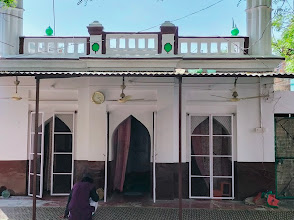
Masjid-e-Naqshband (Hazrat Wali Masjid) is a mosque located in Hammalipura, Kannauj, associated with the Naqshbandi Sufi tradition and serving as an important centre of worship and spirituality.
Masjid-e-Naqshband (Hazrat Wali Masjid), situated in Hammalipura in Kannauj, represents an important religious institution connected with the spiritual traditions of the Naqshbandi Sufi order, one of the major Sufi lineages in the Islamic world. The Naqshbandi tradition is historically known for its emphasis on spiritual discipline, remembrance of God (zikr), moral refinement, and adherence to Islamic teachings within daily life. The alternate name “Hazrat Wali Masjid” reflects reverence toward a spiritually respected saint, guide, or pious personality associated with the mosque. In South Asian Islamic traditions, the term “Wali” refers to a friend of God or spiritually elevated figure remembered for devotion, wisdom, and service to humanity. Such associations often give mosques a distinct spiritual identity within local communities. Within Hammalipura, the mosque functions as a centre for daily prayers, Friday congregations, Qur’anic recitation, and devotional gatherings. Like many mosques connected with Sufi traditions, Masjid-e-Naqshband serves not only as a place of worship but also as a spiritual and communal space where worshippers gather for guidance, reflection, and participation in religious activities rooted in faith and spirituality. The atmosphere of the mosque is generally peaceful, spiritually reflective, and community-oriented. Worshippers regularly gather for prayers and religious discussions emphasizing ethical conduct, remembrance of God, humility, compassion, and communal harmony. On Fridays, larger congregations assemble for Jumu‘ah prayers and sermons focusing on Islamic teachings and moral values. During the holy month of Ramadan, the mosque gains additional spiritual significance through Taraweeh prayers, Qur’anic recitations, Iftar gatherings, and devotional programs that encourage collective worship and spiritual reflection. Depending on local traditions, the mosque may also host zikr gatherings, fatiha, milad recitations, and spiritual assemblies associated with the Naqshbandi Sufi tradition. Architecturally, Masjid-e-Naqshband is likely designed in a traditional Indo-Islamic style suited to the needs of the local community. The structure may include a prayer hall oriented toward Makkah, a mihrab indicating the qibla, a minbar for sermons, and maintained wudu facilities. Depending on its development and historical background, the mosque may also feature arches, domes, decorative calligraphy, and regional architectural influences characteristic of North Indian Islamic architecture. The continued importance of Masjid-e-Naqshband (Hazrat Wali Masjid) within Hammalipura highlights the enduring relationship between Sufi spirituality, communal worship, and the living Islamic heritage of Kannauj, a city historically known for its cultural richness and spiritual traditions.
Year of Built: Not Available
Address: Hammalipura, Uttar Pradesh 209725
Country: India
State: Uttar Pradesh
District: Kannauj
Pincode: 209725
Longitude: 79.9208° E
Latitude: 27.0565° N