
Indo Islamic Heritage


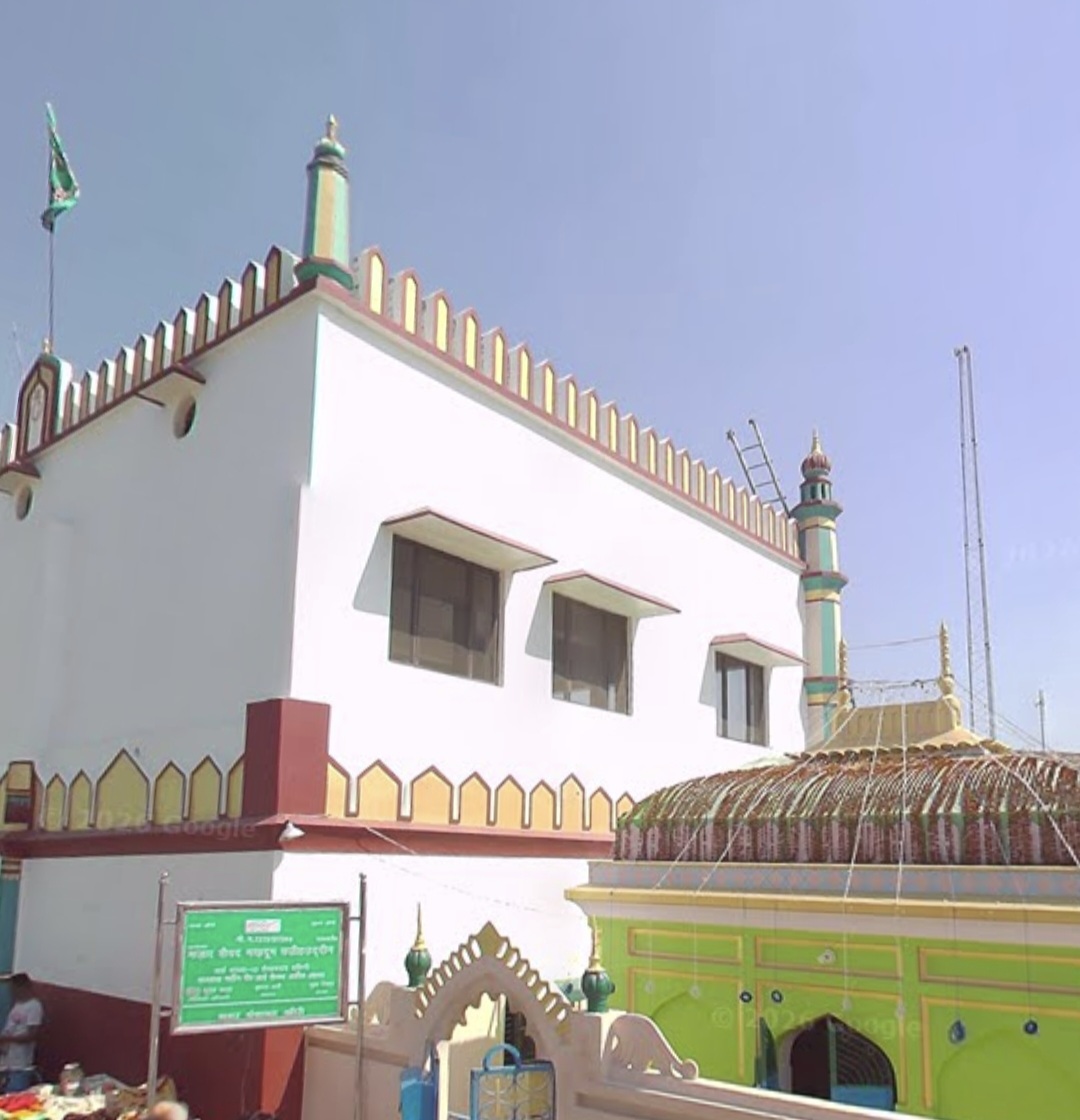
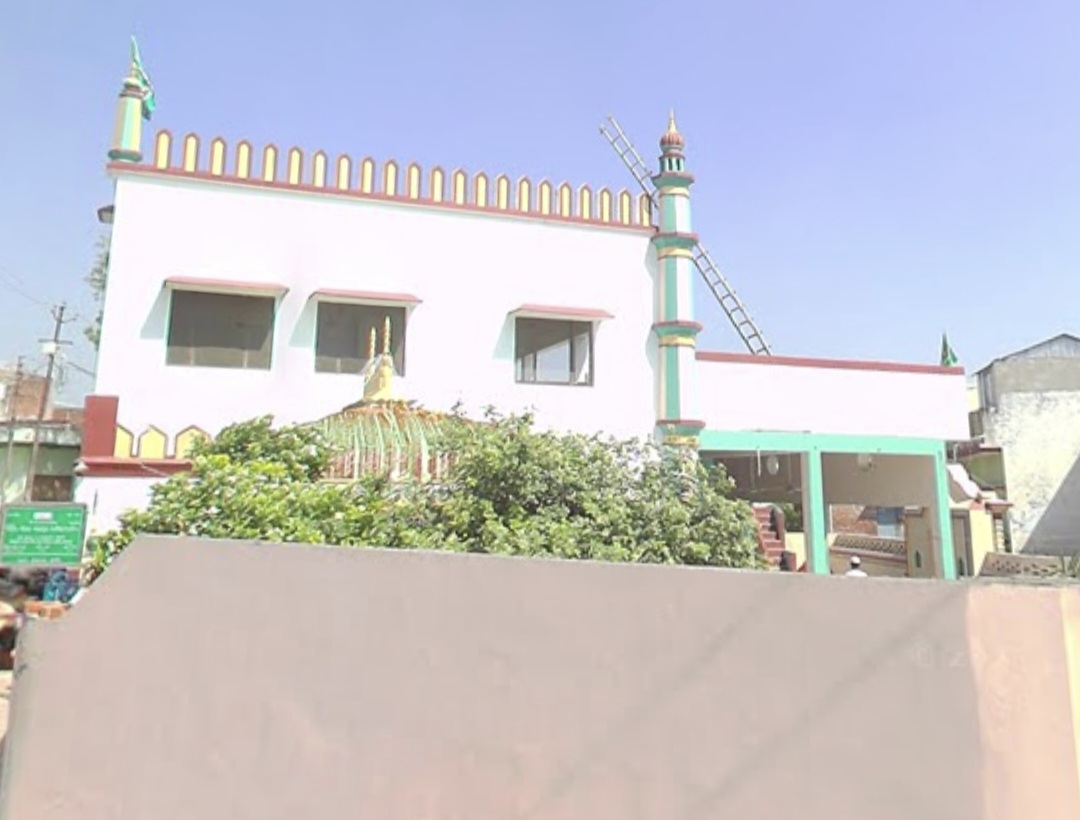
Dargah Qutub-e-Kheri Hazrat Makhdoom Wajeehuddin (R.A.) is a revered Sufi shrine located in Mohalla Sayyad Wada, Lakhimpur Kheri, associated with Islamic spirituality, Sufi traditions, and communal harmony.
Dargah Qutub-e-Kheri Hazrat Makhdoom Wajeehuddin (R.A.), situated in Mohalla Sayyad Wada in Lakhimpur Kheri, represents one of the important spiritual and devotional centres connected with the Sufi heritage of the region. Hazrat Makhdoom Wajeehuddin (R.A.) is revered within local traditions as a respected saint, spiritual guide, and scholar whose teachings emphasized devotion to God, humility, moral discipline, compassion, and service to humanity. The title “Qutub-e-Kheri” signifies the saint’s elevated spiritual status within the devotional traditions of the locality. In Sufi terminology, Qutub refers to a spiritually exalted saint regarded as a guiding figure for the community and a centre of spiritual influence. The title “Makhdoom” is traditionally associated with highly respected Sufi saints and teachers known for their scholarship, piety, and spiritual leadership. Located within Mohalla Sayyad Wada, historically associated with Syed families and Islamic scholarly traditions, the dargah occupies an important place in the religious and cultural identity of the locality. Like many Sufi shrines in North India, the shrine reflects traditions of inclusiveness, tolerance, spirituality, and communal harmony. The dargah serves as a place where devotees gather for prayer, fatiha, Qur’anic recitation, and spiritual reflection. Visitors frequently come seeking blessings, peace, guidance, and fulfilment of personal prayers. The atmosphere of the shrine is generally calm, devotional, and spiritually uplifting, encouraging contemplation and communal unity. Devotees may offer flowers, light incense, participate in charitable activities, and attend gatherings associated with Sufi spirituality and remembrance traditions. During annual Urs commemorations and important Islamic occasions, the dargah may become especially active with gatherings of devotees, Qur’anic recitations, naat recitals, communal meals, and spiritual assemblies that strengthen social and spiritual bonds within the community. Architecturally, Dargah Qutub-e-Kheri Hazrat Makhdoom Wajeehuddin (R.A.) is likely designed in a traditional Indo-Islamic style associated with North Indian Sufi shrines. The complex may include the saint’s mausoleum, prayer spaces, courtyards, domes, arches, decorative calligraphy, gateways, and visitor areas. Depending on its historical development and renovation history, the shrine may preserve architectural features reflective of regional Islamic and devotional heritage. The continued importance of this dargah within Mohalla Sayyad Wada highlights the enduring role of Sufi shrines in preserving spiritual traditions, communal harmony, and the living Islamic heritage of Lakhimpur Kheri, a region historically known for its rich cultural and devotional traditions.
Year of Built: Not Available
Address: WQ3X+8M5, Mohalla Sayyed Wada, Lakhimpur, Kheri, Uttar Pradesh 262702
Country: India
State: Uttar Pradesh
District: Lakhimpur Kheri
Pincode: 262702
Longitude: 80.7828° E
Latitude: 27.9475° N