
Indo Islamic Heritage


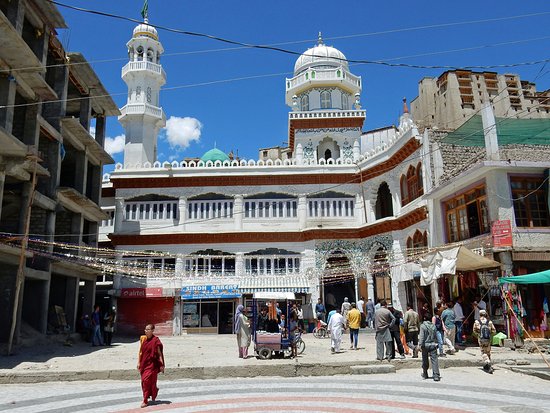
Jama Masjid in Leh, Ladakh, is the largest mosque in the region and a significant historical landmark. Located in the heart of Leh city, it symbolizes the alliance between Mughal Emperor Aurangzeb and Ladakhi King Deldan Namgyal, forged in 1666. This magnificent mosque features intricate carvings and houses a memorial, Shahi Hamdan, dedicated to the Sufi saint Mir Syed Ali Hamdani. Although its premises are open only to men, the mosque remains a must-visit for its architectural beauty and historical relevance.
Jama Masjid, located in the bustling main bazaar of Leh, Ladakh, stands as the largest mosque in the region and a key historical site. Constructed in 1666-67, the mosque commemorates a pact between the Mughal Emperor Aurangzeb and Ladakhi King Deldan Namgyal. As part of the agreement, the Mughals offered protection to Ladakh in exchange for a fee. The mosque's architecture blends Islamic and Tibetan influences, reflecting the cultural exchanges of the time. Its intricate carvings and well-preserved structure make it a fascinating piece of art and history. Within the mosque lies Shahi Hamdan, a memorial dedicated to Mir Syed Ali Hamdani, a renowned Muslim Sufi saint. The serene ambiance of the mosque contrasts with the vibrant bazaar surrounding it. While its main prayer hall is accessible only to men, Jama Masjid continues to draw visitors for its architectural grandeur and historical importance.
Year of Built: 1666
Address: Leh, Ladakh
Country: India
State: Ladakh
District: Leh
Pincode: 194101
Longitude: 77.584813
Latitude: 34.164202