
Indo Islamic Heritage


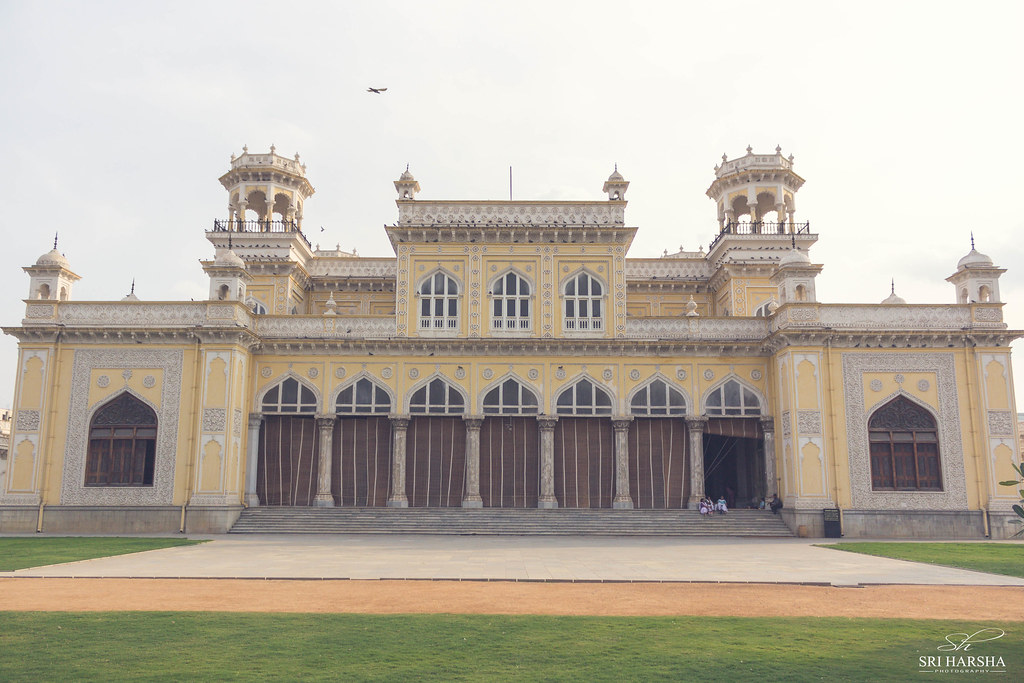
Amberpet retains a strong connection to its historical and cultural past, embodying the heritage of the Qutb Shahi dynasty and the enduring influence of saints like Hazrat Amber Mian.
The Burj is named after Hazrat Amber Mian, a revered Muslim saint, whose sanctum sanctorum is located near the structure. This Burj, a two-story building, holds historical and cultural significance, possibly dating back to the Qutb Shahi era. The Amberpet Serai, a 400-year-old structure in Amberpet, India, was another prominent architectural marvel of the area. Unfortunately, it was demolished by the Greater Hyderabad Municipal Corporation to pave the way for a modern four-lane flyover. The serai?s construction materials, intricate corbels, and unique architectural design were clear indicators of its Qutb Shahi heritage. Remarkably, accounts suggest that the structure was so robust that demolition workers found it challenging to bring down, and its iconic Qutb Shahi arched vaults emerged visibly as encroachments were cleared. Amberpet, a suburb of Hyderabad, traces its origins to the 18th century when it was established as a farming community. Over the centuries, Amberpet has evolved into a vibrant area rich in cultural and religious diversity. The neighborhood is adorned with numerous masjids, reflecting its historical roots and spiritual significance. Among these is the prominent Qutub Shahi Masjid, also known as Bade Masjid, which stands as a testament to the area's architectural and historical legacy. Despite modern developments.
Year of Built: 17th Century
Address: Burj Galli, Amberpet, Hyderabad, Telangana
Country: India
State: Telangana
District: Hyderabad
Pincode: 500013
Longitude: 78.506462
Latitude: 17.391354