
Indo Islamic Heritage


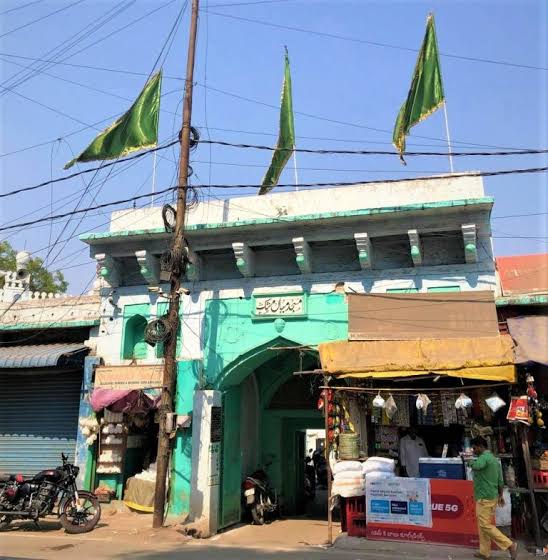
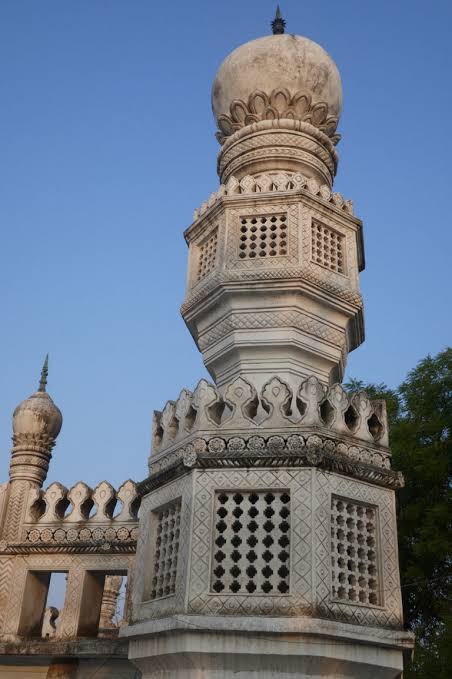
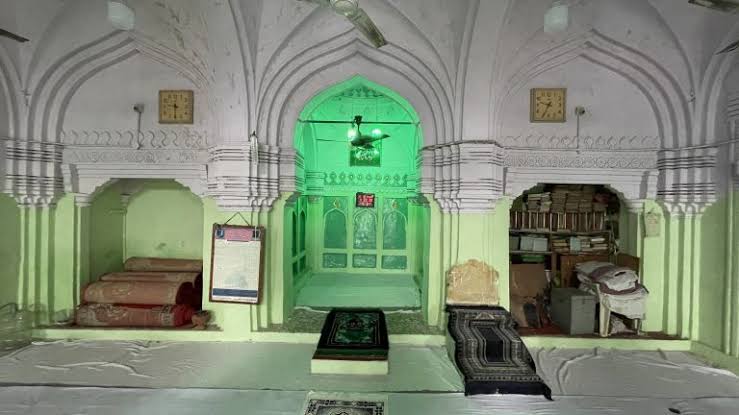
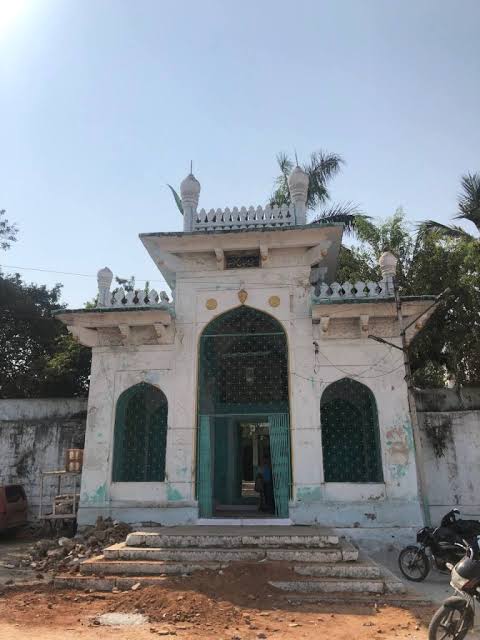
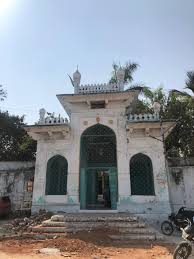
The Mian Mishk Masjid, constructed between 1674 and 1681, is a remarkable historical and architectural landmark named after Mian Mishk, an Abyssinian commander in the army of Abul Hasan Tana Shah, the last ruler of the Qutb Shahi dynasty. Situated in Mustaidpura, near the Purana Pul in Hyderabad, this mosque is an enduring symbol of the cultural and administrative sophistication of the Qutb Shahi period. Its design reflects the architectural grandeur of its time, featuring a double verandah measuring 27 feet by 28 feet and four inches, complemented by an eight-foot-deep mihrab (prayer niche). The mosque's fa?ade is adorned with three seven-foot-wide arches, flanked by two towering minarets on either side of the verandah, adding to its visual elegance. One of the notable features of the mosque is the large cistern, which is 28 feet wide and centrally located on the front platform. This cistern not only served as a functional water reservoir but also added a distinctive element to the mosque's layout, enhancing the experience of worshippers and visitors alike. Six inscriptions embellish the mosque, providing valuable historical insights. These include records of Mian Mishk's death in 1680 and details about the administration and revenue systems during the Qutb Shahi reign, offering a glimpse into the governance and societal structure of the era. The mosque precinct originally included a hamam (communal bath) and a sarai (rest house), emphasizing the comprehensive planning that catered to both spiritual and practical needs of the community. However, these features have fallen into disrepair over time, reflecting the challenges of preserving heritage structures in modern times. As one of the last mosques constructed under Abul Hasan Qutb Shah's reign, the Mian Mishk Masjid stands as a testament to the architectural, cultural, and historical legacy of the Qutb Shahi dynasty, highlighting the era's blend of religious devotion and administrative efficiency.
The Mian Mishk Masjid, an old and historically significant mosque, is located near Purana Pul in Hyderabad, Telangana, India. Built during the Qutb Shahi period in the 17th century, it stands as a testament to the architectural and cultural richness of that era. The mosque was constructed under the patronage of Mian Mishk, a nobleman in the court of Abdullah Qutb Shah, the sixth ruler of the Golconda dynasty. This connection highlights the mosque's importance as a symbol of the Islamic heritage nurtured during the Qutb Shahi reign. One of the unique features of the mosque is its garam hamam, a facility for hot baths. This amenity aligns with the Islamic principles of hygiene and purification, emphasizing the spiritual and physical cleanliness valued in Islamic traditions. The hamam's inclusion within the mosque complex not only served a functional purpose but also added to the architectural ingenuity of the structure, reflecting the advanced urban planning and cultural ethos of the time. Although the mosque is listed among the 137 heritage structures identified by the Hyderabad Urban Development Authority (HUDA), it is not recognized by the Archaeological Survey of India (ASI). This lack of inclusion underscores the challenges faced by lesser-known heritage sites in obtaining official preservation and recognition. Despite this, the Mian Mishk Masjid remains a vital part of Hyderabad's cultural and historical identity. An inscription found over the mosque's western gateway provides valuable historical context, dating the structure to the year 1674. This inscription not only authenticates the mosque's age but also serves as a tangible link to the rich history of the Qutb Shahi period, making the Mian Mishk Masjid a significant landmark in Hyderabad's heritage.
Year of Built: 16th Century
Address: miya muskh masjid,puranapul,hakimpura
Country: India
State: Telangana
District: Hyderabad
Pincode: 500002
Longitude: 78.4830
Latitude: 17.3659