
Indo Islamic Heritage


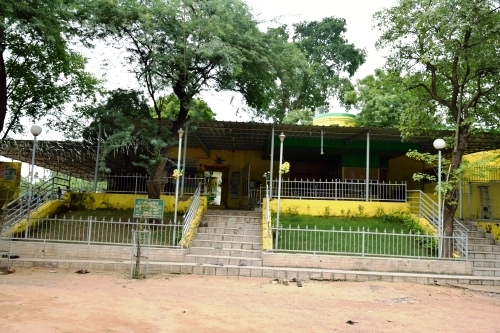
The Dargah Hazrat Aashiq Allah is located in a secluded yet accessible spot in the green expanse of Sanjay Van. It is situated approximately 100 meters north of The Idgah and about 550 meters southeast of the Mehrauli bus stand, along Desu Road. For those traveling from outside Delhi, the nearest airport is the Indira Gandhi International (IGI) Airport, while the closest railway station is Nizamuddin Railway Station. Visitors using public transport can conveniently reach the site from Mehrauli Bus Stand, which is well-connected to other parts of Delhi.
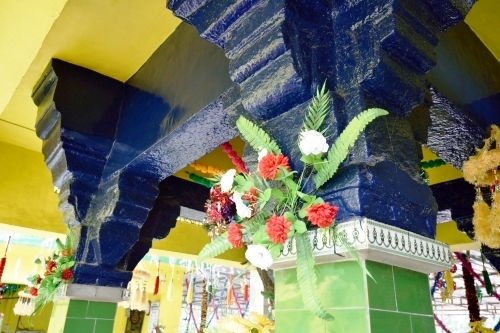
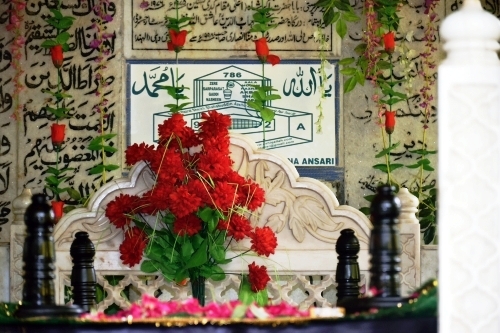
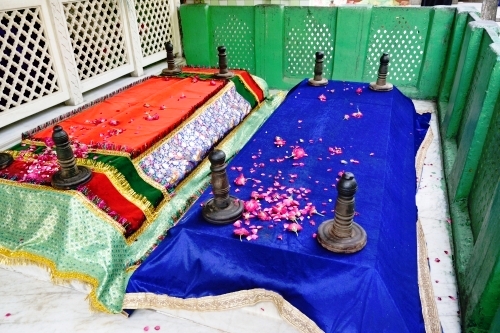
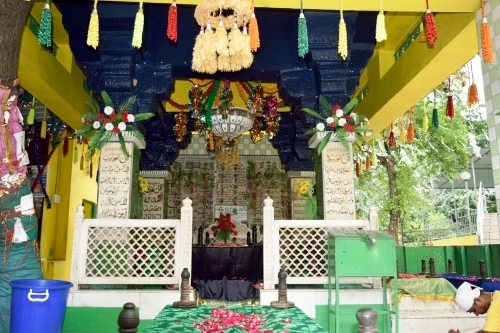
The Dargah Hazrat Aashiq Allah, built in 1317 AD by Sultan Qutubuddin Mubarak Shah Khilji during his reign (1316?1320 AD), is a significant example of early Khilji architectural style and Sufi heritage in Delhi. This monumental structure serves as a resting place for Hazrat Sheikh Shahabuddin Aashiq Allah and his father Abdul Baba, who were among the earliest Sufi saints to arrive in Delhi, establishing a spiritual order that has endured over centuries. Located amidst the serene greenery of Sanjay Van, the Dargah remains an important center of spiritual devotion and community service. The Dargah compound, known for its charitable practices, regularly organizes langar?a tradition of serving free meals to all, irrespective of caste, creed, or religion. Devotees visiting the shrine often engage in rituals and prayers, purchasing offerings such as flowers, incense sticks, and oil for the lamp from small shops situated just outside the complex. This tradition has continued, making the Dargah not only a spiritual site but also a hub of communal harmony. Architecturally, the Dargah is constructed on a rectangular raised platform with the main shrine featuring a square canopy measuring 3 square meters. The canopy is supported by four intricately carved stone pillars with decorative capitals. The structure showcases a pyramidal roof, a hallmark of Khilji architectural style. The central gravestone is enclosed within a beautifully crafted marble perforated screen, which enhances the aesthetic appeal of the space. The shrine is further adorned with vibrant colors, including white, green, yellow, and blue, lending a serene and devotional atmosphere. The materials used in the construction reflect a blend of durability and artistry. The flooring of the porch is made with cemented chequered tiles, while the main shrine is constructed using local stone and marble, providing both strength and elegance. The external walls are finished with ceramic tiles and coated with cement plaster, giving the structure a distinctive appearance. Inside the tomb, there are two cenotaphs, symbolizing the final resting place of the revered saints. This architectural marvel, hidden in the tranquil surroundings of Sanjay Van, continues to inspire devotion and awe, preserving the legacy of early Sufi traditions in Delhi.
Year of Built: 13th Century
Address: Desu Road, Qila Rai Pithora, New Delhi, Delhi
Country: India
State: Delhi
District: South Delhi
Pincode: 110016
Longitude: 28 31 45
Latitude: 77 10 36