
Indo Islamic Heritage


The location is approximately 2.3 km to the south-west of Hauz Khas metro station, accessible via Geetanjali Road that passes through the Shivalik area of Malviya Nagar. For air travel, the nearest airport is Indira Gandhi International Airport (IGI). If traveling by train, Nizamuddin Railway Station is the closest. The nearest bus station is situated on Arbinodo Marg, making the location well-connected by various modes of transportation.
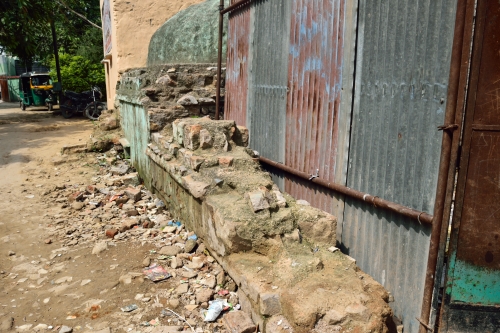
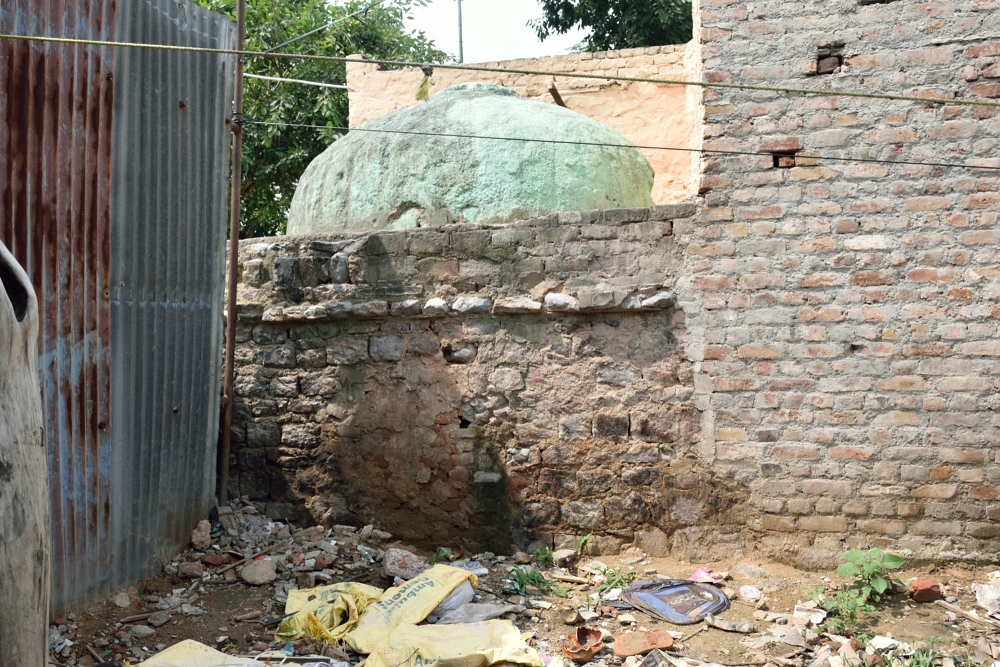
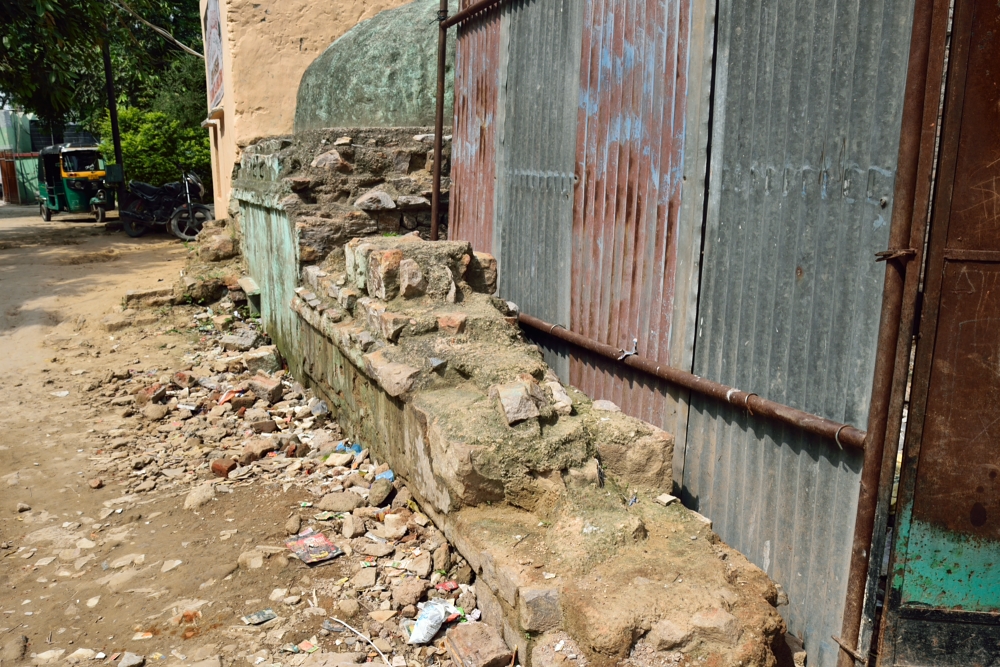
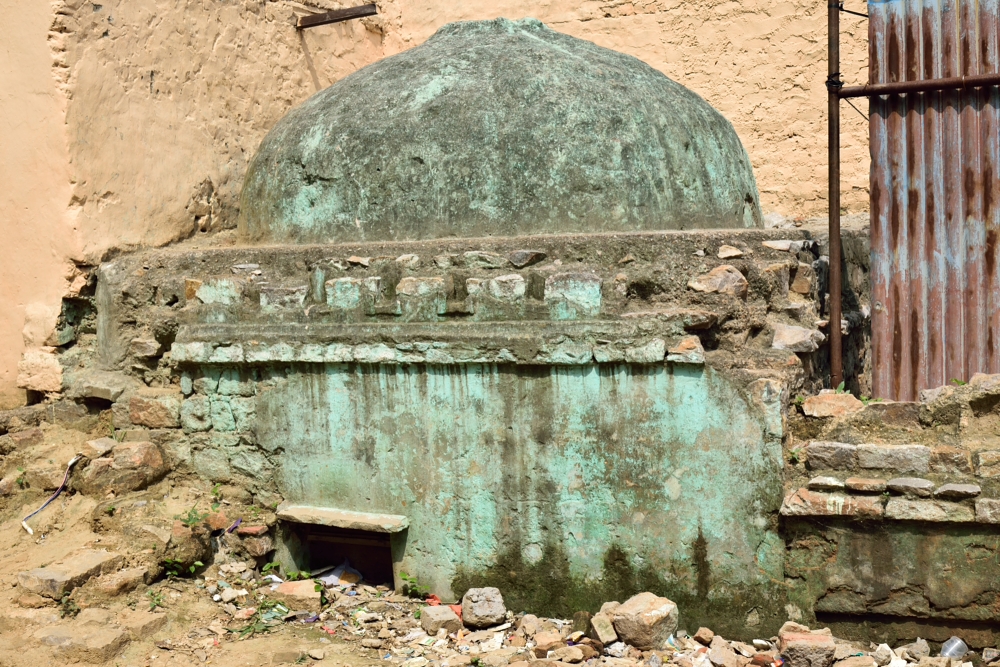
The tomb, located within what was once Sarai Shahji Village, has a rich yet obscure history. While much remains unknown about the tomb itself, it is part of a larger area that served as a resting place for travelers, akin to other historical sites like Badli ki Sarai and Sarai Rohilla, which were constructed to provide shelter for those journeying through the region. These structures are believed to date back to the Lodi or pre-Mughal era, a time when Delhi was still growing into the metropolis it is today. The area is linked to Jahanpanah, the fourth city of Delhi, a city often overlooked in historical narratives due to its relatively short existence and lesser prominence. Despite its relative obscurity, Jahanpanah holds significance as one of Delhi's lost gems, with this tomb being a key feature of that forgotten past. The architectural style of the tomb is typical of the Lodi era, a dynasty known for their contributions to Delhi?s architectural heritage. The tomb's structure is relatively simple, consisting of a low enclosure wall that measures approximately 23.16 square meters. This wall is partially buried in the ground, indicating that the site has suffered significant erosion and damage over time. The western wall is particularly notable, as it contains three mihrabs, which designate it as a wall mosque. This suggests that the tomb may have served not only as a burial site but also as a place of worship or prayer. At each of the western angles, there are low, domed chambers, which may have been used for various purposes, possibly as rooms for attendants or travelers. Sadly, the current condition of the structure is quite poor. Only a portion of the domed structure remains intact, and much of the site has been buried or damaged due to filling and soil erosion. The ground level has been lost over time, and the structure is now in a state of ruin, with the once-prominent parts of the tomb and its dome mostly broken or collapsed. The materials used for construction are typical of the period, consisting of random rubble masonry, which was then finished with plaster. This method of construction was common during the Lodi period and reflects the architectural practices of that time. Despite its dilapidated state, the tomb remains a significant historical and architectural marker, a testament to Delhi's rich, though often overlooked, past.
Year of Built: 15th - 16th Century
Address: Sarai Shahji, Malviya Nagar east of the grave of Farid Murtaza Khan, Begampur
Country: India
State: Delhi
District: South Delhi
Pincode: 110086
Longitude: 77 12 38
Latitude: 28 32 21