
Indo Islamic Heritage


The location is approximately 1.5 km to the north-east of Chirag Delhi Metro Station, along the route leading to Sadhana Enclave. It is about 550 meters to the south-west of the Sadhana Enclave bus stop, in Shaikh Sarai, Phase-1. The nearest airport is Indira Gandhi International (IGI) Airport, while the closest railway station is Nizamuddin. For bus travel, the nearest bus station is located in Sheikh Sarai Phase-1.
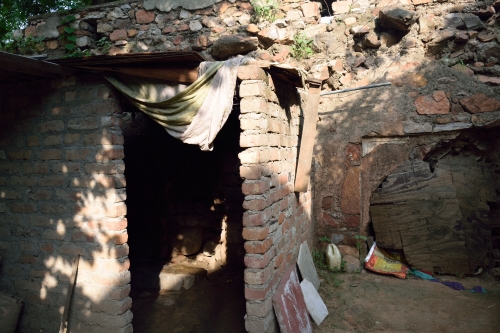
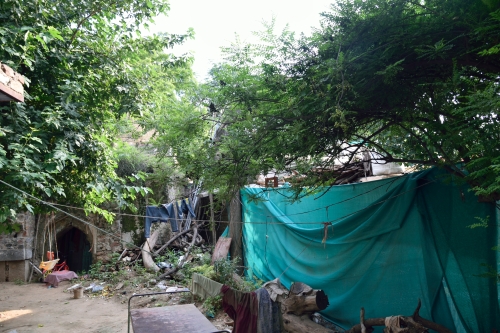
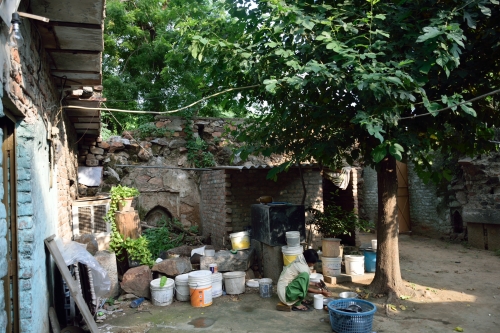
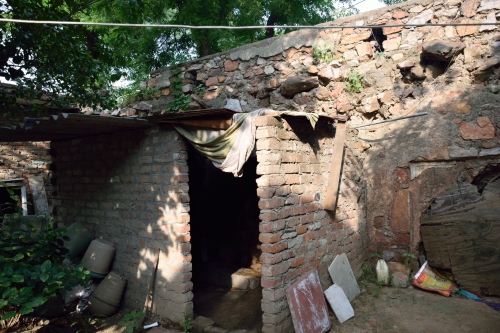
The building in question is historically significant and is closely associated with the tomb of Shaikh Salahuddin, a revered saint whose stature is comparable to that of Nasiruddin Chirag-e-Dehlavi. It is believed that the structure dates back to the same period, reflecting the architectural and cultural heritage of the time. The building is constructed in the Lodi architectural style, which was prevalent during the Lodi dynasty's rule, characterized by its simplicity and grandeur. Originally, the building featured a three-arched dalan that opened towards the west. However, only the eastern wall of the structure survives today, with the northern end of the building still retaining a staircase that would have once led to the flat roof. Over time, the surrounding area has experienced encroachment and habitation, which has altered the original layout and form of the building. The original ground level has been buried under debris, and only broken remains of the arches are visible, giving a glimpse of its once-magnificent design. Additionally, a new modern brick masonry wall has been erected on the ruins of the heritage building, further obscuring its original appearance and adding to the damage sustained over the years. The structure itself is made from random rubble masonry, a technique where stones of varying sizes are used without a specific order, and it is coated with plaster to provide a smooth finish. The construction materials and design reflect the era's practicality and the architectural style typical of the Lodi period, with an emphasis on durability and functionality. The building in question is historically significant and is closely associated with the tomb of Shaikh Salahuddin, a revered saint whose stature is comparable to that of Nasiruddin Chirag-e-Dehlavi. It is believed that the structure dates back to the same period, reflecting the architectural and cultural heritage of the time. The building is constructed in the Lodi architectural style, which was prevalent during the Lodi dynasty's rule, characterized by its simplicity and grandeur. Originally, the building featured a three-arched dalan that opened towards the west. However, only the eastern wall of the structure survives today, with the northern end of the building still retaining a staircase that would have once led to the flat roof. Over time, the surrounding area has experienced encroachment and habitation, which has altered the original layout and form of the building. The original ground level has been buried under debris, and only broken remains of the arches are visible, giving a glimpse of its once-magnificent design. Additionally, a new modern brick masonry wall has been erected on the ruins of the heritage building, further obscuring its original appearance and adding to the damage sustained over the years. The structure itself is made from random rubble masonry, a technique where stones of varying sizes are used without a specific order, and it is coated with plaster to provide a smooth finish. The construction materials and design reflect the era's practicality and the architectural style typical of the Lodi period, with an emphasis on durability and functionality.
Year of Built: 15th - 16th Century
Address: Within green area, north-west of Savitri Nagar, Sheikh Sarai Phase-1
Country: India
State: Delhi
District: South Delhi
Pincode: 110017
Longitude: 77 13 17
Latitude: 28 32 28