
Indo Islamic Heritage


.jpg)
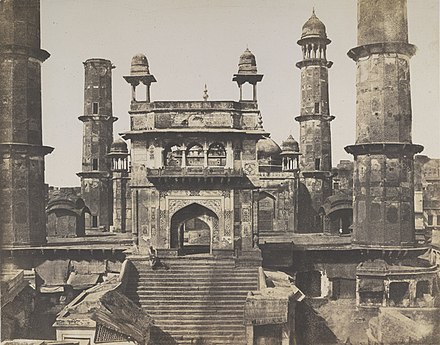
Jama Masjid, Mathura: A Disputed Legacy of Mughal Architecture Perched at the center and highest point of Mathura, the Jama Masjid is a striking 17th-century congregational mosque that exemplifies the architectural grandeur of the Mughal era. Nearest Bus Station: Mathura Bus Stand (approximately 2 km) Nearest Railway Station: Mathura Junction (1.5 km) Nearest Metro Station: No metro service in the region Nearest Airport: Agra Airport (60 km)
Perched at the center and highest point of Mathura, the Jama Masjid is a striking 17th-century congregational mosque that exemplifies the architectural grandeur of the Mughal era. Built between 1660-1661 CE by Abd-al-Nabi Khan, the faujdar (governor) of Mathura under the reign of Emperor Aurangzeb, the mosque is notable as one of the earliest non-imperial structures commissioned during Aurangzeb's rule. Architectural Features The Jama Masjid of Mathura is a masterpiece crafted from red sandstone and combines functional simplicity with Mughal elegance: Minarets: The mosque is flanked by four towering minarets, each rising to an impressive height of 40 meters (132 feet), adding vertical emphasis to the structure. Gateway: A grand gateway stands at the entrance, adorned with intricate tile-work and Persian inscriptions, showcasing the craftsmanship of the Mughal period. Courtyard: The spacious courtyard includes a large ablution pool for ritual purification, surrounded by rectangular pavilions featuring bangla-style roofs and ogival archways. Prayer Hall: The modestly scaled main prayer hall is crowned with three bulbous domes, with the central dome being the largest. Historically, the facade of the hall was inscribed with the ninety-nine names of Allah and flanked by Persian inscriptions, adding to its spiritual and artistic appeal. Plinth: Elevated on a plinth, the mosque commands a panoramic view of the city, symbolizing its prominence in Mathura's landscape. Historical Significance The construction of the Jama Masjid reflects the political and cultural dynamics of Aurangzeb's reign. Abd-al-Nabi Khan acquired the land for the mosque from local landowners, including Kazis, whose descendants remained influential in Mathura until the rise of the Jats. The mosque?s central location and architectural prominence highlight its historical importance during the Mughal period. The Jama Masjid of Mathura is more than a place of worship?it is a historic monument that reflects the intricate interplay of religion, culture, and Mughal architectural excellence. Despite its smaller scale compared to imperial mosques, its towering minarets, elegant domes, and ornate tile work capture the essence of Mughal artistry. A visit to the Jama Masjid is an opportunity to explore Mathura's layered history and admire a structure that continues to inspire awe with its timeless elegance and spiritual aura.
Year of Built: 1660-1661 CE
Address: sabji mandi, Chatta Bazar, Chowk Bazar, Mathura, Uttar Pradesh 281001
Country: India
State: Uttar Pradesh
District: Mathura
Pincode: 281001
Longitude: 77.6726? E
Latitude: 27.4956? N