
Indo Islamic Heritage


.jpeg)
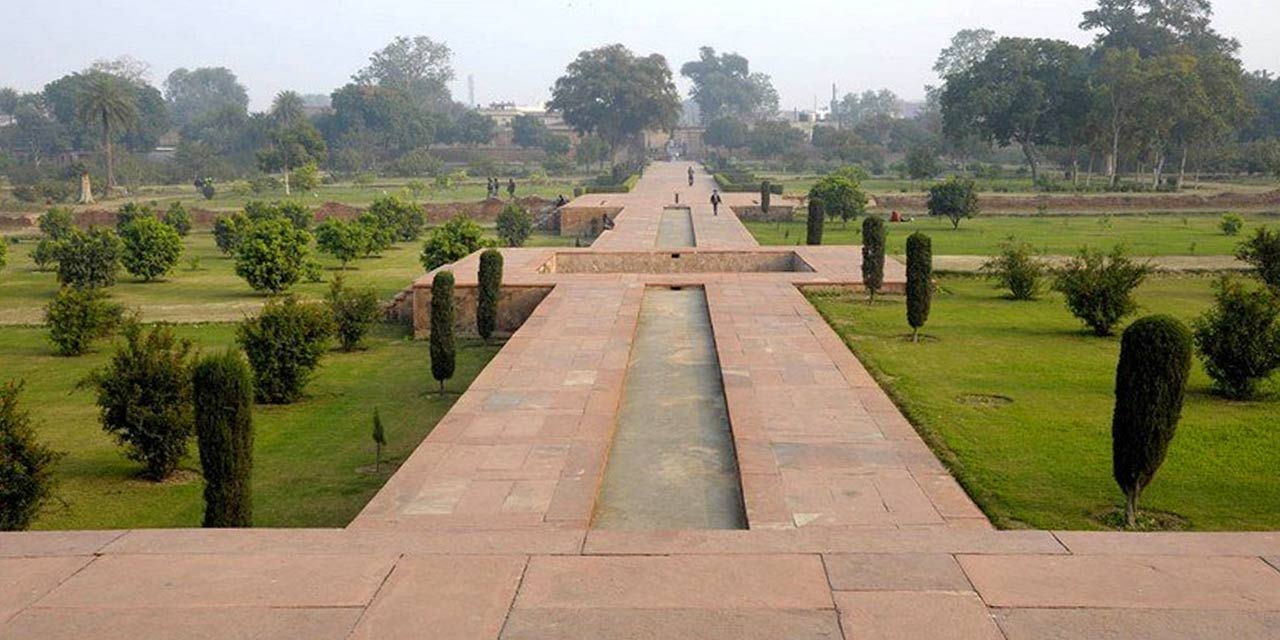
Ram Bagh, Agra: A Garden of Tranquility and Historical Splendor The Ram Bagh, with its layered history and aesthetic charm, is a timeless jewel in Agra?s heritage. Nearest Bus Stop: Itimad-ud-Daulah Bus Stop (approx. 1 km away). Nearest Metro Station: Agra Metro (Itimad-ud-Daulah Station, under development). Nearest Railway Station: Agra Fort Railway Station (approx. 4 km away). Nearest Airport: Pandit Deen Dayal Upadhyay Airport, Agra (approx. 12 km away).
The Ram Bagh, located in Agra, is a serene and historic garden believed to have been constructed by the Mughal Emperor Babur in A.D. 1528-1530. Originally known as Aram Bagh, meaning Garden of Rest, it was later renamed Ram Bagh during the Maratha occupation of Agra from 1775 to 1803 A.D. This verdant oasis is a testament to Mughal horticulture and holds profound historical significance as a temporary resting place for Babur's mortal remains before being moved to Kabul. Historical Significance Ram Bagh is among the oldest Mughal gardens in India. It reflects Babur's passion for Persian-style gardens, integrating nature, leisure, and spirituality. Mentioned in Tuzuk-i-Jahangiri, Emperor Jahangir?s memoirs, the garden was well-maintained during his reign and served as a retreat for royalty. The garden is also linked to Babur?s garden in Kabul, known as Bagh-Gul-Afshan or Nur-Afshan, which inspired its original design. Despite its historicity, its renaming by the Marathas underscores the layered cultural influences that have shaped the site over centuries. Architectural Features Enclosed Walls and Pavilions: Colossal walls surround the garden, with corner towers crowned by elegant pillared pavilions, adding to its grandeur. Bagh-Hasht-Behisht Layout: Unlike the traditional Char Bagh design, Ram Bagh follows the Bagh-Hasht-Behisht layout, featuring three terraced levels: First Level: Dedicated to flowers and vegetables. Second Level: Stone-paved pathways bordered by intricate flower beds. Third Level: Structures, terraces, and tanks designed for leisure and functionality. Hammam (Bathhouse): A terrace in the northeast leads to a Hammam, now in ruins, featuring vaulted roofs that hint at its opulent past. Pathways and Quarters: Stone-paved pathways divide the garden into quarters, allowing visitors to experience its tranquil beauty. Key Features Red Sandstone Gateway: Located at each end of the garden, these gateways exhibit fine Mughal craftsmanship. Ruined Structures: Adjacent to the north side of the garden, remnants of old houses and gateways evoke the site?s historical narrative. Historical Paintings and Epigraphy: Traces of Mughal art and inscriptions add to the cultural richness of the site. The Ram Bagh, with its layered history and aesthetic charm, is a timeless jewel in Agra's heritage. As one of the oldest surviving Mughal gardens, it stands as a tribute to Babur's vision of integrating nature and architecture. Visiting this serene retreat allows you to step back in time and experience the essence of Mughal grandeur amidst lush greenery and historic ruins.
Year of Built: 1528-1530 A.D
Address: Ram Bagh, Near Itimad-ud-Daulah, Agra, Uttar Pradesh, India
Country: India
State: Uttar Pradesh
District: Agra
Pincode: 282006
Longitude: 78.0382? E
Latitude: 27.2089? N