
Indo Islamic Heritage


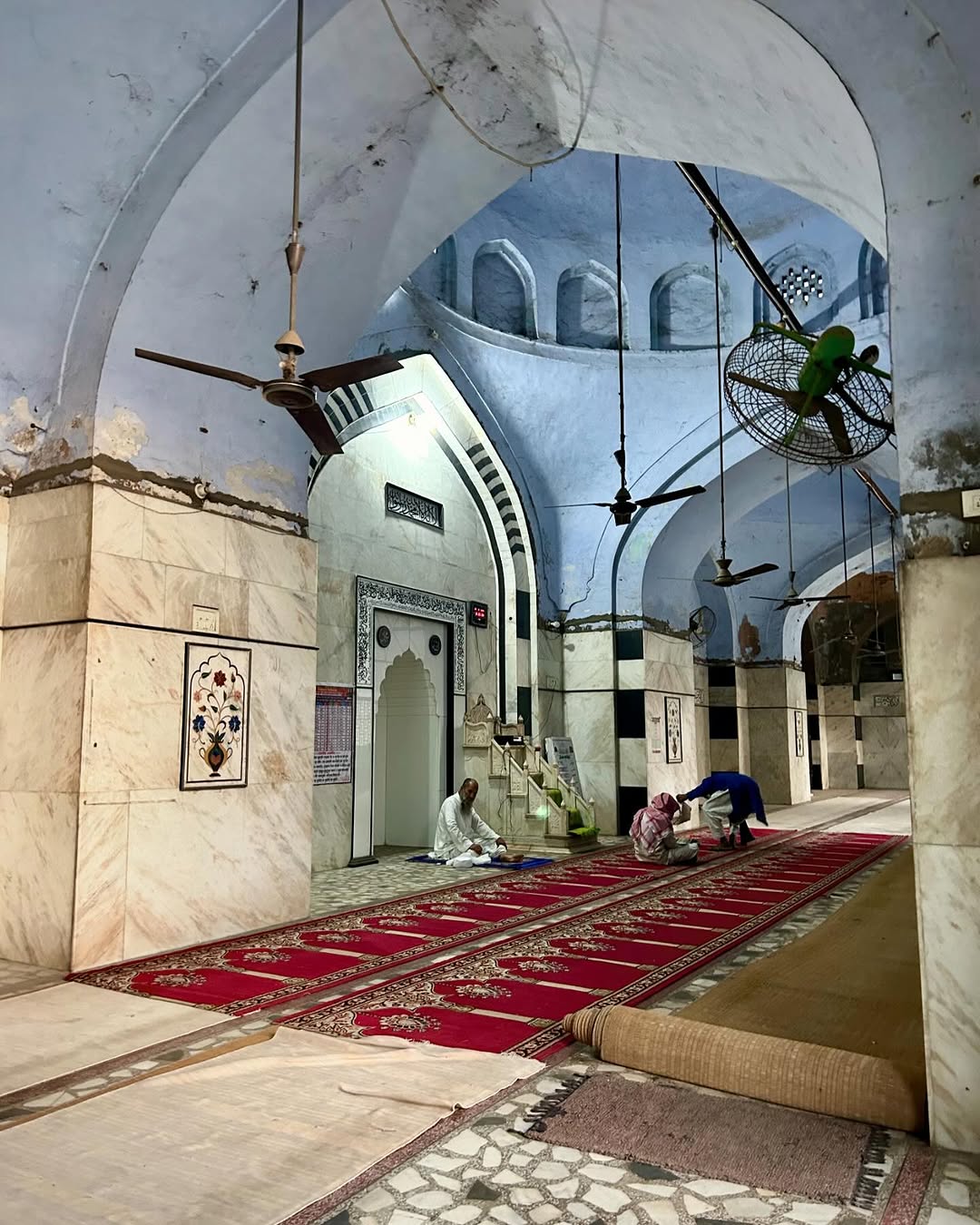
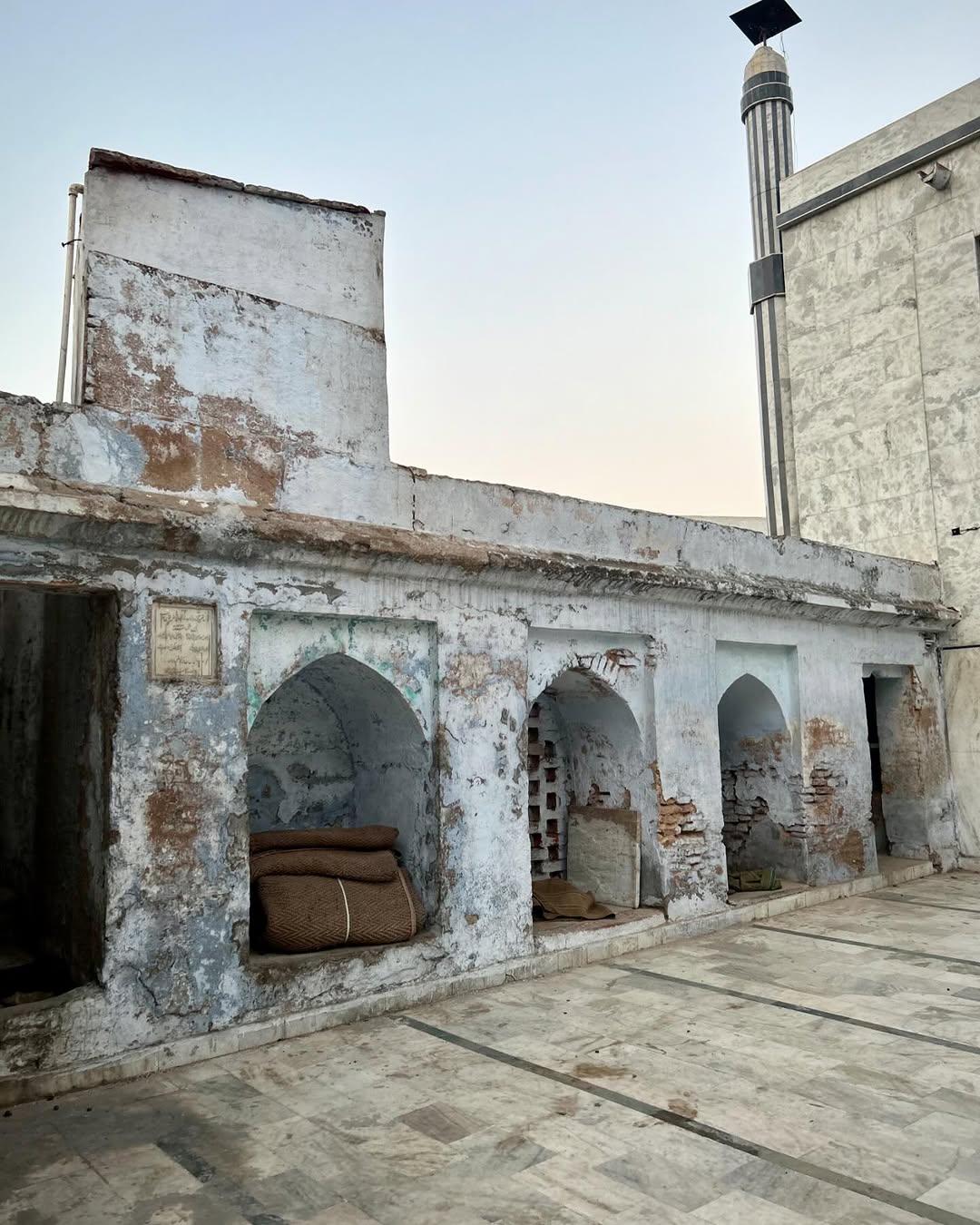
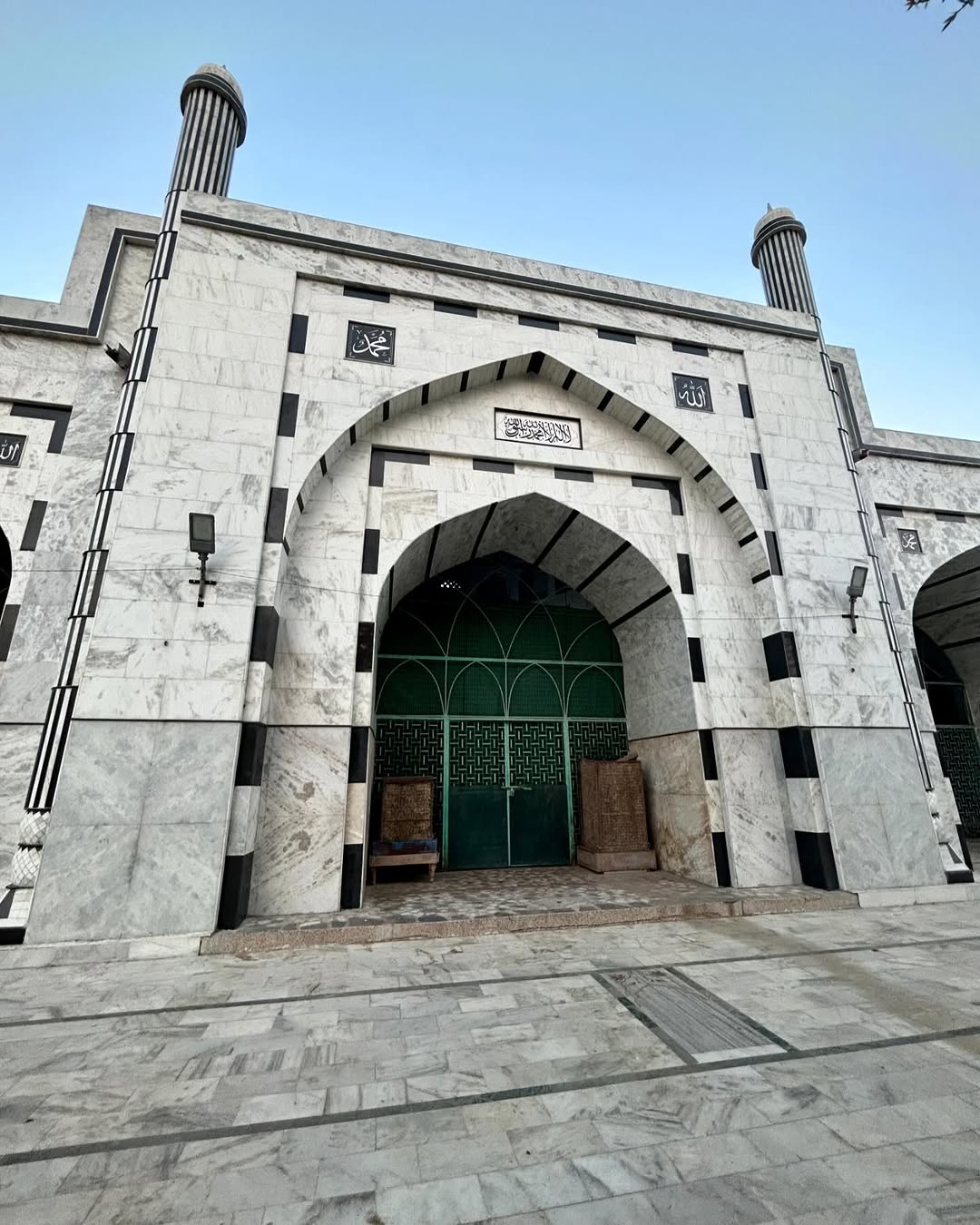
Sabun Katra Kali Masjid: Agra's Earliest Mosque Sabun Katra Kali Masjid, also known as Masjid Kalan or Kali Masjid, is recognized as the first mosque in Agra, Uttar Pradesh, India. Nearest Bus Station: Idgah Bus Stand (approximately 5 km away) Nearest Railway Station: Agra Fort Railway Station (approximately 3 km away) Nearest Airport: Pandit Deen Dayal Upadhyay Airport, Agra (approximately 8 km away)
Sabun Katra Kali Masjid, also known as Masjid Kalan or Kali Masjid, is recognized as the first mosque in Agra, Uttar Pradesh, India. Historical accounts suggest that it was constructed during the reign of Sultan Sikandar Lodi (1489?1517). The mosque is also notable for housing the grave of its commissioner, whose identity remains a subject of historical inquiry. Architectural Significance The term "Kalan" translates to "large" in Persian, indicating the mosque's considerable size. While specific architectural details of Sabun Katra Kali Masjid are limited, mosques from the Lodi period typically feature: Simplistic Design: Emphasis on functionality with minimal. Arched Entrances: Grand arches leading into the prayer hall. The Lodi dynasty, with Sultan Sikandar Lodi as a prominent ruler, was instrumental in establishing Agra as a significant center of the Delhi Sultanate. The construction of Sabun Katra Kali Masjid during this era underscores the city's early Islamic architectural endeavors. Sabun Katra Kali Masjid stands as a testament to Agra's early Islamic architectural endeavors. Its historical significance, coupled with its status as the city's first mosque, makes it a noteworthy site for historians and enthusiasts alike. Further research and conservation efforts are essential to shed light on its past and ensure its preservation for future generations.
Year of Built: Sikandar Lodi Reign
Address: Sabun Katra, Patel Nagar, Mantola, Agra, Uttar Pradesh 282003
Country: India
State: Uttar Pradesh
District: Agra
Pincode: 282003
Longitude: 78.0081? E
Latitude: 27.1767? N