
Indo Islamic Heritage


The Nearest Bus Stand is the Sabanpura Local Bus Stop/Chowk, situated at 0.2 km, the Nearest City Terminus is the Amravati MSRTC Central Bus Stand (Maltekdi), situated at 1.2 km, the Nearest Railway Station is the Amravati Railway Station (AMI), situated at 1.5 km, the Nearest Major Rail Hub is the Badnera Junction Railway Station (BD), situated at 10.5 km, the Nearest Domestic Airport is the Amravati Airport (AMI) (Belora), situated at 15.0 km, and the Nearest International Airport is the Dr. Babasaheb Ambedkar International Airport, Nagpur (NAG), situated at 152.0 km from the mosque.
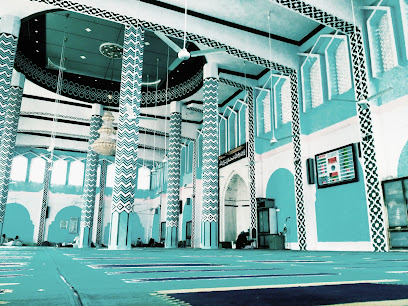
The Jama Masjid Markaz Sabanpura Amravati stands as a historically profound architectural jewel, a premier central house of congregational worship, and the principal spiritual headquarters (Markaz) for the Islamic community in Amravati. Situated within the ancestral Sabanpura quarter (historically established as Aurangpura), this grand heritage mosque serves as an irreplaceable socio-religious nucleus. It guides the daily spiritual discipline, scriptural integrity, and community welfare for resident merchants, traditional artisans, and thousands of travellers across Maharashtra’s Vidarbha region. Historical and Religious Significance The grand mosque complex holds immense structural, cultural, and theological prestige, acting as an active multi-generational anchor for spiritual rectitude and ancestral history. Mughal Genesis and Royal Allotment: The roots of this historic sanctuary are deeply intertwined with the late Mughal administrative era of Central India. During the 17th century, under the governance of Mughal Emperor Aurangzeb, the locality then known as Magar Aurangpura (subsequently evolved into contemporary Sabanpura) was officially designated and allotted for the establishment of a grand congregational Jama Masjid to cater to the growing local population. Establishment: The foundational structural footprint of this historic imperial mosque was formally established in 1687. Constructed with remarkably resilient stone masonry engineered to naturally survive the intense dry heat of the Vidarbha terrain, the campus has been systematically preserved, expanded, and fortified with modern multi-level prayer halls by its managing trustees to safely handle contemporary assemblies. The Regional Markaz: Beyond its identity as a historic Friday mosque, the venue holds supreme religious significance across Eastern Maharashtra as a prominent Markaz (Center). It serves as a primary coordinating hub for voluntary faith-revival movements and spiritual retreats, where scholars and delegations converge from different states to participate in structured theological seminars focused on character refinement and moral rectitude. The Friday Congregational Assembly: As the premier historic central mosque of the old city, its weekly Friday Jumu'ah assemblies draw massive crowds that fill the inner halls and spill into the organised peripheral courtyards. The sermons are delivered in highly articulate Urdu, focusing closely on personal ethical standards, commercial honesty, neighbourly compassion, and civic harmony. Ramadan and Civic Hospitality: During the holy month of Ramadan, the entire complex operates with spectacular discipline and spiritual vigour. It hosts extensive nightly Taraweeh prayers—frequently led by senior memorisers—and coordinates large-scale, community-driven Iftar (fast-breaking) arrangements celebrated for welcoming commuters, highway travellers, and families from all walks of life. Location and Accessibility: The grand heritage mosque is strategically positioned within the historic Sabanpura market lines, keeping the main inner prayer halls beautifully insulated from heavy street noise while remaining completely accessible to local transit lines. Traveller's Note: The Jama Masjid Markaz Sabanpura features an awe-inspiring traditional layout, highlighted by historic architectural arches, high ceilings designed for natural cross-ventilation, prominent minarets, and modern, highly organised facilities for ritual purification (Wudu). Renowned across the entire district for its profoundly quiet, orderly, and deeply meditative environment outside of congregational hours, it provides an unparalleled journey into the 17th-century living history of Maharashtra. Visitors are cordially welcome for all five daily prayers, and traditional modest attire is expected when stepping inside the sacred premises.
Year of Built: 1687
Address: Amravati
Country: India
State: Maharashtra
District: Amravati
Pincode: 444601
Longitude: 77.74980892959155
Latitude: 20.930430677608438