
Indo Islamic Heritage


2.jpeg)
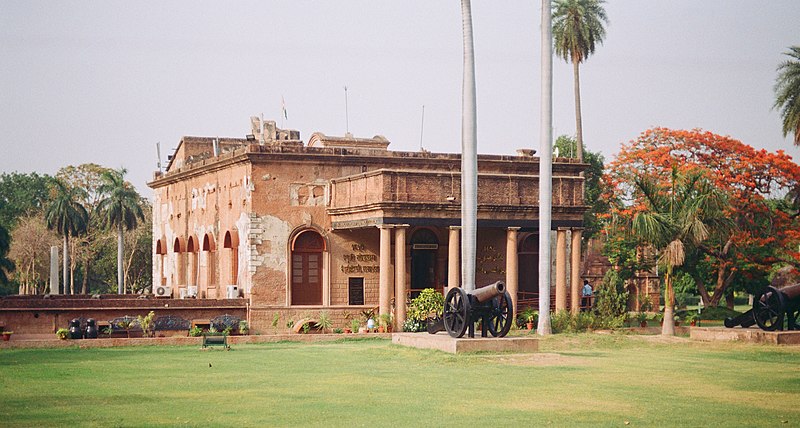
The Residency, Lucknow: A Testament to History and Valor Perched atop the erstwhile highest point in Lucknow, the Residency Complex is a remarkable relic of India's colonial past, dating back to the late 18th century. Nearest Bus Station: Kaisarbagh Bus Stand (approximately 1 km) Nearest Railway Station: Lucknow Charbagh Railway Station (approximately 4 km) Nearest Metro Station: KD Singh Babu Metro Station (approximately 2 km) Nearest Airport: Chaudhary Charan Singh International Airport, Lucknow (approximately 14 km)
Perched atop the erstwhile highest point in Lucknow, the Residency Complex is a remarkable relic of India's colonial past, dating back to the late 18th century. Constructed between 1780 and 1800 during the reigns of Nawab Asaf-ud-Daulah and Nawab Saadat Ali Khan II, the complex stands as a symbol of architectural finesse, historical significance, and resilience. Architectural Marvels The Residency was originally a grand three-storeyed structure, crowned with a tower bearing a flagstaff where the Union Jack flew until India gained independence. Designed to combat the region?s harsh climate, it featured: Wide Verandahs: These shaded the interiors, protecting them from intense sunlight. Tehkhanas (Underground Rooms): Ingeniously cool and dim, they provided respite from the scorching summer heat, with narrow ventilation slits ensuring privacy and insulation. Baillie Guard Gate: Added under the supervision of Captain John Baillie, this gate was garrisoned by a contingent of soldiers from Mariaon to bolster security. Historical Significance The Residency complex was a hub of administrative and social activity, comprising: Banquet Hall: A venue for hosting dignitaries. Treasury: Safeguarding the wealth of the era. Dr. Fayrer?s House: Known for its medical significance. Church and Mosque: Reflecting the multicultural essence of the time. Barracks and Stables: Supporting the needs of the garrisoned personnel. The Marquess of Hastings documented his dining experience with Major Baillie in 1814, a testament to the Residency?s grandeur and importance during British rule. The War of Independence (1857) The Residency witnessed significant destruction during the 1857 War of Independence. The siege left it in ruins, yet its battered walls remain a solemn reminder of the bravery and sacrifices of that era. Restoration and Current Attractions Now a centrally protected monument under the Archaeological Survey of India (ASI), the Residency has been meticulously restored and transformed into a sprawling heritage campus. Key highlights include: 1857 Memorial Museum: Located within the complex, the museum chronicles the uprising through detailed exhibits, videos, and artifacts, offering visitors a vivid narrative of India's first freedom struggle. Cemetery: The adjoining cemetery, containing the graves of hundreds, including Henry Montgomery Lawrence, serves as a poignant memorial to those who perished during the siege. Gardens and Lawns: The lush surroundings add a serene touch to the ruins, making it a popular tourist destination. The Residency Complex is more than a historical site; it is a living monument to India's struggle for independence, offering an evocative journey into the past. Its architectural beauty, coupled with its historical resonance, makes it an unmissable destination for history enthusiasts, scholars, and tourists. Whether wandering through its ruins, exploring the museum, or reflecting at the cemetery, visitors are sure to be moved by the stories of valor and resistance etched into every corner of this iconic site.
Year of Built: 1780 -1800
Address: The Residency, Near Tehri Kothi, Qaisar Bagh, Lucknow, Uttar Pradesh, 226001
Country: India
State: Uttar Pradesh
District: Lucknow
Pincode: 226001
Longitude: 80.9188? E
Latitude: 26.8560? N