
Indo Islamic Heritage


The Nearest Bus Stand is the Buddi Lane Local Stop/Main Road Chowk, situated at 0.25 km; the Nearest Central Terminus is the Central MSRTC Bus Stand, Chhatrapati Sambhajinagar, situated at 2.2 km; the Nearest Railway Station is the Chhatrapati Sambhajinagar Railway Station (AWB), situated at 2.8 km; and the Nearest Domestic Airport is the Chhatrapati Sambhajinagar Airport (IXU), situated at 10.5 km from the mosque.
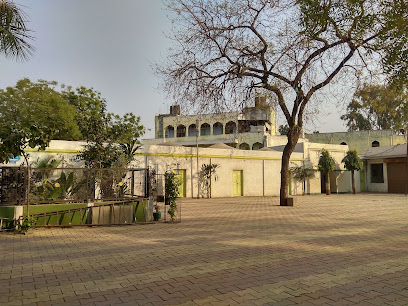
The Jama Masjid stands as a historically monumental architectural masterpiece, the premier Friday congregational house of worship, and a vital spiritual sanctuary within Chhatrapati Sambhajinagar (formerly known as Aurangabad). Situated along Station Road in the historic Buddi Lane section of Naralibag, this grand monument serves as an indispensable socio-religious nucleus. Preserved systematically by the Archaeological Survey of India (ASI), it effectively anchors the daily spiritual discipline, living history, and multi-generational cultural synthesis of Maharashtra's Deccan territory. Historical and Religious Significance The grand mosque complex holds immense architectural, cultural, and theological prestige, acting as an active multi-dynastic link spanning over four centuries of Deccani history. The Malik Ambar Foundations: The historic sanctuary traces its genesis directly to the foundational era of the city itself. It was constructed in 1612 CE by Malik Ambar, the celebrated Abyssinian military commander and regent prime minister of the Ahmadnagar Sultanate, shortly after he founded the initial settlement of Khadki (later renamed Fatehnagar, and subsequently Aurangabad) in 1610 CE. Built as a strategic outpost against Mughal expansion, it stands today as one of the oldest surviving public structures in the entire district. Mughal Imperial Expansion: Following the capture of the territory by the Mughal Empire, the mosque's structural and political prominence reached its peak. When Prince Aurangzeb was appointed Viceroy of the Deccan for the second time in 1653, he made the city his capital. Realising the profound architectural and community values of Malik Ambar's mosque, Aurangzeb incorporated it into his newly fortified royal palace complex, the Killa Arrak (Aurangabad Fort). In 1692 CE, he significantly expanded the grand structure by constructing four massive, elegant arches along the front façade. The Elegance of Simplicity: Architecturally, the building showcases a masterful blend of early Nizam Shahi Deccani engineering and austere Mughal design elements. Supported by approximately 50 polygonal basalt stone pillars and styled with seven majestic arches along its primary façade, the mosque reflects the personal piety and restraint favoured by its imperial patrons—prioritising grand spatial geometry and pure plastered walls over lavish marble inlays. The Friday Congregational Assembly: As the central historical Friday mosque of the city, its weekly Jumu'ah congregations draw substantial crowds that fill its expansive inner prayer halls and open courtyard tracks. The sermons are delivered in clear, articulate Urdu, focusing closely on personal moral ethics, civic responsibilities, neighbourhood compassion, and absolute monotheism (Tawheed). Ramadan and Civic Welfare: During the holy month of Ramadan, the entire complex operates as a vital centre of religious devotion. It coordinates extensive nightly Taraweeh prayers and hosts large-scale, community-driven Iftar (fast-breaking) arrangements that welcome residents, dynamic market traders, and hundreds of intercity tourists. Location and Accessibility: The heritage mosque is strategically positioned along Station Road within the vibrant commercial and cultural lines of Buddi Lane, keeping the main inner prayer halls beautifully insulated from heavy street noise while remaining completely accessible to public transit networks. Traveller's Note: The Jama Masjid features an awe-inspiring traditional layout, highlighted by massive stone structural arches, high ceilings designed for natural cross-ventilation, prominent minarets, and modern, highly organised facilities for ritual purification (Wudu). Renowned across the entire district for its profoundly quiet, orderly, and deeply meditative environment outside of congregational hours, it provides an unparalleled journey into the living history of the Deccan. Visitors are cordially welcome for all five daily prayers, and traditional modest attire is expected when stepping inside the sacred premises.
Year of Built: 1653
Address: Station Road, Jama Masjid, Buddi lane, Naralibag, Chhatrapati Sambhajinagar
Country: India
State: Maharashtra
District: Aurangabad
Pincode: 431001
Longitude: 75.32694681664526
Latitude: 19.891769507659788