
Indo Islamic Heritage


The Nearest Bus Stand is the Standard Silk Mills/Sadat Nagar Local Stop, situated at 0.1 km, the Nearest Railway Station is the Chhatrapati Sambhajinagar Railway Station (AWB), situated at 1.8 km, the Nearest Central Terminus is the Central MSRTC Bus Stand, Chhatrapati Sambhajinagar, situated at 2.5 km, and the Nearest Domestic Airport is the Chhatrapati Sambhajinagar Airport (IXU), situated at 9.8 km from the mosque.
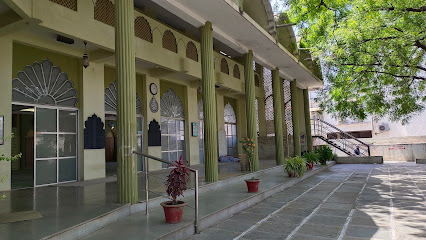
The Masjid-e-Rahmaniya stands as an influential structural pillar, an active house of prayer, and a vital community anchor inside the southern industrial and commercial zones of Chhatrapati Sambhajinagar (formerly known as Aurangabad). Tucked inside the bustling Standard Silk Mills Compound along the critical Paithan Road and directly beside the flyover, this prominent mosque serves as an indispensable socio-religious nucleus. It effectively guides the daily spiritual discipline, scriptural integrity, and local fellowship for resident families, traditional handloom weavers, textile industrial labourers, and neighbourhood merchant communities across the district. Historical and Religious Significance The mosque complex holds an important structural and theological position within the locality, beautifully blending neighbourhood devotion with the living textile craft heritage of the Deccan. A Name of Divine Mercy: Derived from the classical Arabic lexicon, the name Rahmaniya translates directly to "The Merciful" or "About Divine Compassion," honouring one of the supreme attributes of God in Islam (Ar-Rahman). Grounded in this theological concept, the institution functions as a localised beacon for scriptural literacy, character refinement, absolute monotheism, and neighbourly civic harmony. The Handloom and Industrial Legacy: The sanctuary’s history is intimately bound to the post-independence commercial development of the Paithan Road corridor and the historic Himroo textile revival. Positioned inside the Standard Silk Mills Compound and sitting directly adjacent to traditional production centres—including the famous Aurangabad Himroo factory and outlet—the mosque was conceived to provide a convenient, permanent place of congregation for master weavers, spinning mill workers, and commuting trade representatives. Establishment: Evolving from a localised industrial prayer collective to keep pace with the rapid industrial expansion, post-independence residential density, and vehicular growth near the highway intersections, the permanent masonry structure of the mosque was formally established in 1978. Built completely through community-focused local funding and philanthropic donations from regional textile guilds and resident families, the property features a well-managed layout designed to handle large assemblies safely. Sunni Tradition: Operating under the Ahlus Sunnat Wal Jama'at (Sunni) tradition, matching the deep-rooted theological tapestry of urban Maharashtra, the mosque acts as a primary spiritual authority for the Sadat Nagar and Silk Mill Colony sectors, maintaining a highly disciplined and strictly punctual schedule for the five obligatory daily prayers (Salah). The Friday Khutbah: As a prominent neighbourhood and commercial congregational venue, its weekly Friday Jumu'ah assemblies draw substantial crowds from the surrounding commercial yards, automotive transit blocks, and residential lines. The sermons are delivered in clear, articulate Urdu, focusing tightly on personal moral ethics, business integrity, fair commercial practices, and social responsibility. Ramadan and Textile Lane Hospitality: During the holy month of Ramadan, the complex operates with spectacular discipline and spiritual vigour. Due to its strategic position beside the primary flyover and industrial gates, it organises highly praised Iftar (fast-breaking) arrangements designed specifically to comfort weary market shoppers, local mechanics, factory artisans, and highway commuters completing their evening journeys. Location and Accessibility: The heritage mosque is strategically positioned within the well-known Standard Silk Mills Compound off Paithan Road, offering exceptional visibility and ease of access for commuters via the adjacent flyover while keeping the main inner prayer halls beautifully insulated from heavy vehicular engine noise. Traveller's Note: The Masjid-e-Rahmaniya features a clean, highly functional architectural layout highlighted by a naturally well-ventilated main prayer hall, standard minarets, a striking central dome, and tidy, organised facilities for ritual purification (Wudu). Its location directly inside the textile compound and behind the historical Himroo weaving factory makes it an incredibly convenient and peaceful rest-and-prayer stop for travellers shopping for authentic Deccani handcrafted textiles. Visitors are cordially welcome for all five daily prayers, and traditional modest attire is expected when stepping inside the sacred premises.
Year of Built: 1978
Address: Standard Silk Mills Compound, Paithan Road, Beside Flyover, Chhatrapati Sambhajinagar
Country: India
State: Maharashtra
District: Aurangabad
Pincode: 431010
Longitude: 75.30449294917983
Latitude: 19.857518018144727