
Indo Islamic Heritage


The site is located approximately 450 meters to the southwest of the Mehrauli bus stand and about 1.7 kilometers to the north-northwest of the Qutub Minar metro station, making it easily accessible by public transportation. For those traveling by air, the nearest airport is the Indira Gandhi International (IGI) Airport. Visitors arriving by train can access the site conveniently from Nizamuddin Railway Station, while the Mehrauli bus stand serves as a key point for bus commuters.
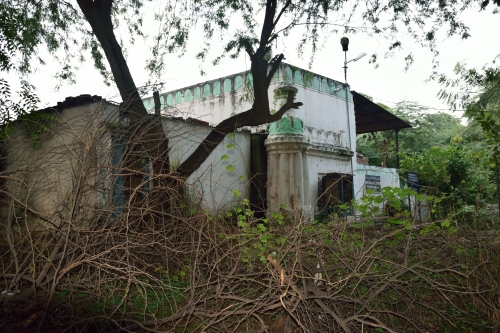
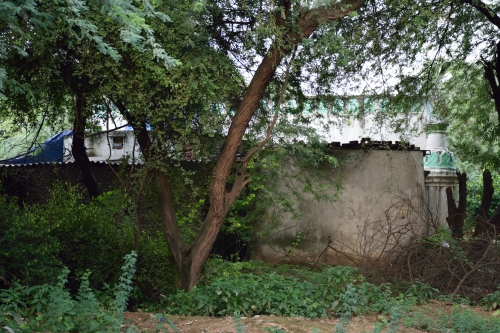
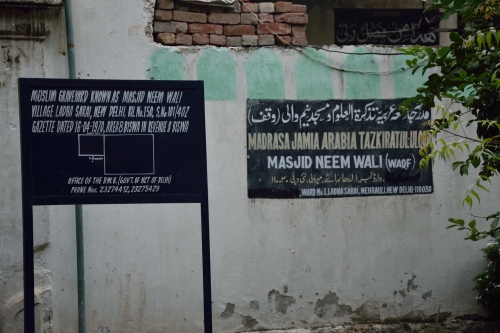
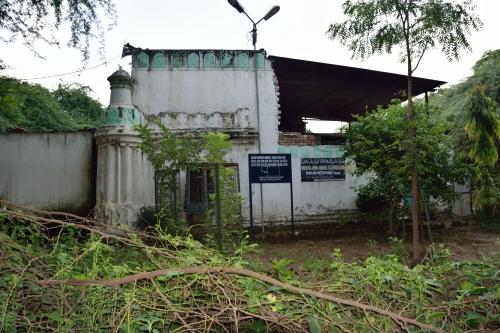
Brief History The mosque is located near the Rajaon Ki Baoli, enriching the historical and architectural significance of the surrounding area. Its proximity to such a notable site highlights the intertwined heritage of this complex. Local/Traditional Description Associated with the Site This mosque is still active and serves as a place of worship where regular congregational prayers (Jamaat) are held. It is primarily used for religious purposes, maintaining its role as a living heritage site. Architectural Style The mosque is designed in the Mughal architectural style, characterized by intricate craftsmanship, symmetry, and the use of traditional materials. Description of the Building/Structure/Site The mosque is built on a rectangular plan using rubble masonry construction. The western Qibla wall features three mihrabs, with the central mihrab accentuated by a raised wall and short return walls on the north and south. Each corner of the western wall contains minarets resembling the Qutub Minar, featuring fluted and angular circular designs. The minarets are topped with small turrets, adding to the aesthetic charm. The mosque also has a parapet with a guldasta design. A later addition to the mosque includes a large courtyard, used for educational purposes as a madrasa. The central mihrab and open arches in the southern wall are flanked by minarets, each crowned with guldastas. Similar minarets are also positioned at the northwest and southwest corners of the mosque, emphasizing the symmetrical and balanced design. Structure Materials and Other Components The mosque is primarily constructed using rubble masonry, a traditional method where irregularly shaped stones are bound together with mortar. Lime mortar and lime wash were extensively used for binding and finishing, contributing to the durability and aesthetic appearance of the structure. Additionally, iron shades are incorporated, possibly as later modifications, to provide functionality and protection. The combination of these materials reflects the engineering practices of the Mughal era and their adaptability to local conditions.
Year of Built: 18th - 19th Century
Address: Mehrauli Archeological Park, Approx. 200 m to the south-west of Rajon ki Baoli
Country: India
State: Delhi
District: South Delhi
Pincode: 110030
Longitude: 77 10 58
Latitude: 28 31 10