
Indo Islamic Heritage


The Nearest Bus Stand is the Mohammed Ali Road/Necropolis Local Stop, situated at 0.15 km, the Nearest Central Terminus is the Beed MSRTC Central Bus Stand, situated at 1.8 km, the Nearest Railway Station is the Beed Railway Station (BEED) (Ahmednagar–Beed–Parli line), situated at 5.4 km, the Nearest Major Rail Hub is the Jalna Railway Station (J), situated at 106.0 km, and the Nearest Domestic Airport is the Chhatrapati Sambhajinagar Airport (IXU), Aurangabad, situated at 127.0 km from the mosque.
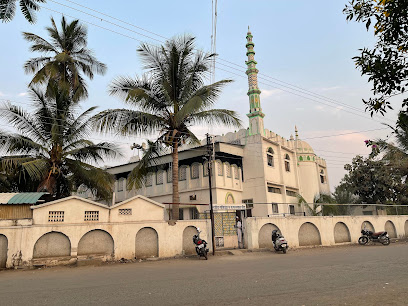
The Takiya Masjid stands as a historically poignant neighbourhood sanctuary, an active house of prayer, and an indispensable spiritual anchor within the solemn southern parameters of Beed (historically known as Bir). Situated along Mohammed Ali Road right next to the expansive Shaher-e-Khamusha (the city's historic central necropolis), this prominent mosque complex serves as an essential socio-religious nucleus. It effectively coordinates the daily spiritual discipline, scriptural literacy, and ancestral funerary rites for resident families and neighbourhood merchant communities across Maharashtra's historic Marathwada territory. Historical and Religious Significance The mosque complex holds a unique structural, cultural, and theological position within the town, beautifully anchoring everyday devotion alongside the reminders of human mortality. The Mystical Legacy of the "Takiya": In traditional Indo-Islamic and Sufi architecture, a Takiya denotes a spiritual resting place, an asylum, or a specialised monastery where dervishes, travellers, and wandering ascetics traditionally gathered for introspection, meditation, and divine remembrance (Zikr). Historically, these resting places were established on the quiet outer perimeters of medieval townships, often adjacent to burial grounds. This sanctuary beautifully preserves that heritage, acting as a localised haven for inner purification and character refinement. Establishment: Conceived to provide a permanent masonry structure for collective worship and specialised moral instruction near the old city burial lines, keeping pace with post-independence residential density and neighbourhood growth, the formal permanent building was established in 1979. Built through community-focused local funding and philanthropic donations from resident families and regional traders, it features a highly functional layout optimised for daily and funeral assemblies. Sunni Tradition: Operating under the Ahlus Sunnat Wal Jama'at (Sunni) tradition, matching the deep-rooted theological tapestry of urban Maharashtra, the mosque acts as the primary spiritual authority for the Mohammed Ali Road and Shaher-e-Khamusha sectors. It maintains a highly disciplined and strictly punctual schedule for the five obligatory daily prayers (Salah). Funerary Support and Counselling: Due to its strategic position right beside the city's major necropolis (Shaher-e-Khamusha), the mosque administration and its managing trust hold an indispensable community role. They systematically coordinate the performance of Janazah (funeral) prayers, provide ritual bathing and shroud-preparation facilities for the deceased, and offer spiritual counselling and economic support to families navigating bereavement. The Friday Khutbah: As a prominent congregational venue, its weekly Friday Jumu'ah assemblies draw substantial crowds from the surrounding market lines and residential blocks. The sermons are delivered in clear, articulate Urdu, focusing closely on absolute monotheism (Tawheed), the spiritual realities of the afterlife, moral accountability, and neighbourly civic social responsibility. Ramadan Observances: During the holy month of Ramadan, the complex operates with spectacular discipline and spiritual vigour. It hosts extensive nightly Taraweeh prayers—where memorisers recite the holy texts with great precision—and coordinates organised, neighbourhood-wide Iftar (fast-breaking) arrangements designed to support commuting workers, local families, and visiting mourners. Location and Accessibility: The heritage mosque is strategically positioned along Mohammed Ali Road near the peaceful burial tracks, keeping the main inner prayer halls beautifully insulated from heavy street noise while remaining completely accessible to local transit networks. Traveller's Note: The Takiya Masjid features a clean, highly functional traditional architectural layout highlighted by a naturally well-ventilated main prayer hall, simple, elegant minarets, a striking central dome, and tidy, organised facilities for ritual purification (Wudu). Renowned across the local block for its profoundly quiet, orderly, and deeply meditative environment outside of congregational hours, it provides an exceptionally peaceful retreat for travellers and commuters looking for a space to reflect away from busy town roads. Visitors are cordially welcome for all five daily prayers, and traditional modest attire is expected when stepping inside the sacred premises.
Year of Built: 1979
Address: Mohammed Ali Road, Shaher-e-Khamusha, Bir
Country: India
State: Maharashtra
District: Beed
Pincode: 431122
Longitude: 75.75838658411065
Latitude: 18.98547826712416