
Indo Islamic Heritage


The Nearest Bus Stand is the Bashir Ganj Chowk/Local Town Stop, situated at 0.1 km, the Nearest Central Terminus is the Beed MSRTC Central Bus Stand, situated at 1.2 km, the Nearest Railway Station is the Beed Railway Station (BEED) (Ahmednagar–Beed–Parli line), situated at 4.8 km, the Nearest Major Rail Hub is the Jalna Railway Station (J), situated at 105.0 km, and the Nearest Domestic Airport is the Chhatrapati Sambhajinagar Airport (IXU), Aurangabad, situated at 126.0 km from the mosque.
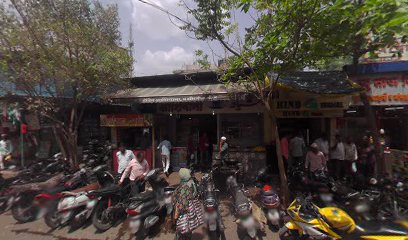
The Salar-e-Jung Masjid stands as a historically unique architectural house of prayer, a respected centre for scriptural learning, and a crucial community anchor within the bustling commercial core of Beed (historically known as Bir). Situated within the lively markets of Bashir Ganj (Bashirganj), this prominent mosque complex serves as an indispensable socio-religious nucleus. It effectively coordinates the daily spiritual discipline, business ethics, and communal solidarity for local trader families, market labourers, and neighbourhood resident communities across Maharashtra's historic Marathwada territory. Historical and Religious Significance The mosque complex holds an essential structural, cultural, and theological position within the town, beautifully capturing the historical intersection between administrative nobility and regional Islamic civic architecture. The Legacy of Noble Patronage: The origin and historical identity of the sanctuary are linked directly to the legacy of the Salar Jung family—the distinguished noble lineage that served as hereditary Prime Ministers (Diwans) to the Nizams of Hyderabad. During the late 19th and early 20th centuries, extensive administrative, educational, and public infrastructure works were carried out under their jurisdiction across the vast Asaf Jahi Deccani territory. Built to honour this eras-old legacy of public welfare and civic piety, the sanctuary remains a timeless anchor for daily honest labour, business integrity, and communal solidarity. Establishment: Evolving from a 19th-century open-air prayer courtyard built to allow local merchants to complete their prayers without abandoning their market stands, the permanent masonry structure of the mosque was formally established in 1911. Engineered using native stone masonry elements to naturally insulate the interior prayer lines from the bustling noise and dry seasonal heat of the market square, the complex has undergone routine structural enhancements by its managing trust to handle large assemblies safely. Sunni Tradition: Operating under the Ahlus Sunnat Wal Jama'at (Sunni) tradition, matching the deep-rooted theological tapestry of urban Maharashtra, the mosque acts as the primary spiritual authority for the Bashir Ganj block. It maintains a highly disciplined and strictly punctual schedule for the five obligatory daily prayers (Salah). The Friday Khutbah: As a primary congregational venue inside a bustling market zone, its weekly Friday Jumu'ah assemblies draw massive crowds of merchants, visiting micro-retailers, and residents. The sermons are delivered in clear, articulate Urdu, focusing closely on absolute monotheism (Tawheed), strictly ethical business transactions, honest weights and measures, the religious duty of clearing debts, and neighbourly civic compassion. Educational & Social Anchor: The mosque administration coordinates a well-structured evening Madrasa, ensuring that local children receive a solid foundation in Quranic recitation, classical Arabic phonetics, and prophetic history. Concurrently, the managing trust handles localised philanthropic campaigns, leveraging the market's trading networks to distribute seasonal economic aid, food security relief, and emergency charity to low-income labourers and market hands. Ramadan and Market Hospitality: During the holy month of Ramadan, the complex operates with spectacular discipline and spiritual vigour. It hosts extensive nightly Taraweeh prayers and coordinates organised, market-wide Iftar (fast-breaking) arrangements designed specifically to comfort weary market labourers, travelling truck drivers, and local shoppers completing their evening journeys. Location and Accessibility: The mosque is strategically positioned within the commercial grid of Bashir Ganj, keeping the main inner prayer halls beautifully insulated from heavy street noise while remaining completely accessible via local public transit lanes. Traveller's Note: The Salar-e-Jung Masjid features a clean, highly functional traditional architectural layout highlighted by a naturally well-ventilated main prayer hall, simple, elegant minarets, a striking central dome, and tidy, organised facilities for ritual purification (Wudu). Its location within the main commercial framework of the old city makes it an exceptionally convenient and peaceful rest-and-prayer stop for travellers and shoppers exploring the local markets. Visitors are cordially welcome for all five daily prayers, and traditional modest attire is expected when stepping inside the sacred premises.
Year of Built: 1911
Address: Bashir Ganj, Bir
Country: India
State: Maharashtra
District: Beed
Pincode: 431122
Longitude: 75.75676805712449
Latitude: 18.990442539963972