
Indo Islamic Heritage


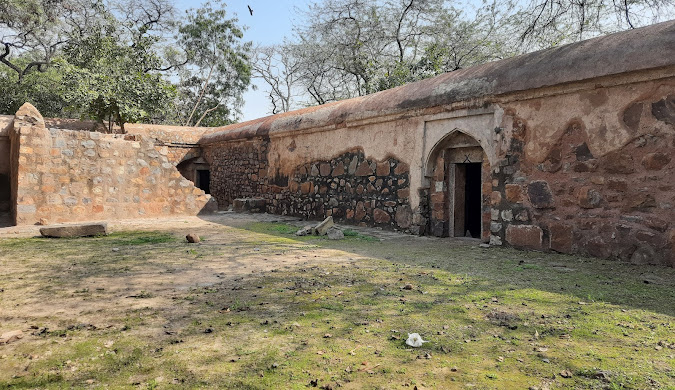
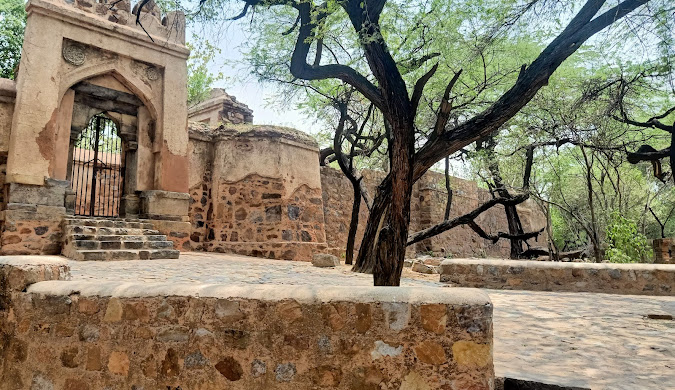
Bhuli Bhatiyari is indeed an ancient and captivating structure, often regarded for its mysterious and historical allure. Located in the Aravalli hills near Delhi, India, it is a hunting lodge that dates back to the time of the Delhi Sultanate, around the 14th century. The name "Bhuli Bhatiyari" translates to "the lost hunting lodge," which adds to its mystique.The Nearest Bus Stand- jhandewalan, 5 min walk, The Nearest Metro Station - jhandewalan, 5 min walk,, Nearest Railway Station- New Delhi Railway Station Nearest Airport- IGI
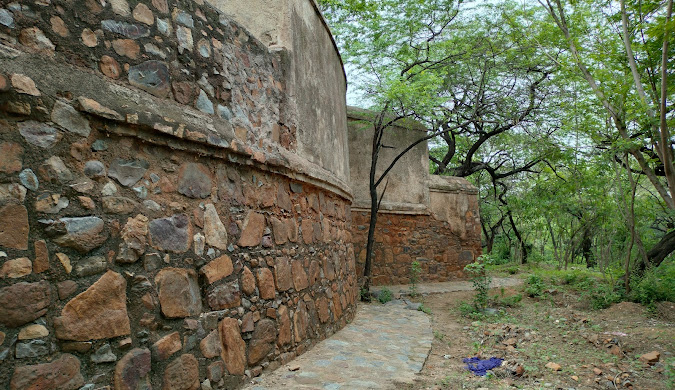
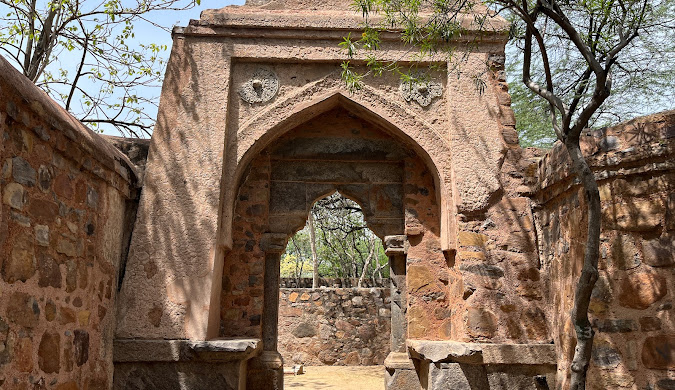
The Bhooli Bhatiyari Mahal is believed to have been constructed during the reign of Firoz Shah Tughlaq, a 14th-century Sultan of Delhi known for his architectural endeavors and infrastructure projects. Built around 14th century A.D., the structure was originally designed as a Shikargah (hunting lodge) and formed part of the Sultan's efforts to create embankments (bunds) and hunting retreats across Delhi. The hunting lodge stands at the southern end of a bund, showcasing its role as a retreat for the royal hunting expeditions. Firoz Shah Tughlaq?s affinity for practical and defensive structures is evident in the lodge?s design, which prioritizes functionality over opulence. Over time, the lodge gained its current name, "Bhooli Bhatiyari Mahal," possibly derived from folklore or the name of a woman associated with the site. The palace now holds a mysterious allure due to its connection with local legends and its relatively isolated location. Architecturally, the Bhooli Bhatiyari Mahal is a rectangular enclosure that reflects the utilitarian design of Tughlaq-era structures. The primary building materials include Delhi quartzite stones bound by limestone mortar, finished with limestone plaster. Key features of the structure include: Double Doorways: Located at the northeast corner, the entryway features a pointed arch adorned with medallions on each corner, providing access to the interior. Lower and Upper Storeys: The lower level comprises small rooms facing an open courtyard. The upper level includes a washroom separated by a wall, also opening into a courtyard. Walls and Bastions: The eastern and southern walls are fortified with bastions, while the northern and western walls form a semi-circular curve from the gateway to the southwest corner. Pavilion Remains: Although much of the western portions have been lost to time, remnants of pavilions and structural elements are visible, adding to the site's archaeological significance.
Year of Built: 14th Century
Address: Central Ridge Reserve Forest, New Delhi
Country: India
State: Delhi
District: North Delhi
Pincode: 110058
Longitude: 77.19796
Latitude: 28.64237