
Indo Islamic Heritage


The Nearest Bus Stand is the Mumbadevi Junction Stop/Nagdevi Street Local Stop, situated at 0.15 km, the Nearest Railway Station is the Masjid Suburban Railway Station (Central Line), situated at 0.65 km, the Nearest Terminal Hub is the Marine Lines Railway Station (Western Line), situated at 1.2 km, the Nearest Central Terminus is the Chhatrapati Shivaji Maharaj Terminus (CSMT), situated at 1.5 km, and the Nearest Domestic/Int. The airport is Chhatrapati Shivaji Maharaj International Airport (BOM), located 16.0 km from the mosque.
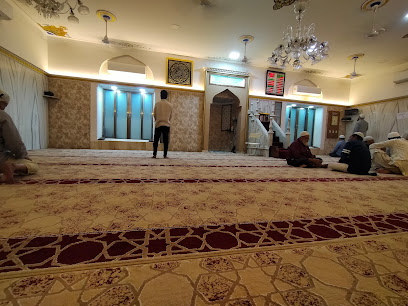
The Nakhoda Mohalla Masjid (located at Plot/Building No. 4 along Nagdevi Street) stands as a historically significant neighbourhood sanctuary, an active house of daily prayer, and an indispensable community anchor within the dense, traditional commercial core of South Mumbai. Situated inside the culturally vibrant Nakhuda Mohalla enclave on the border of the Mumbadevi Area and Bhuleshwar market zones, this prominent mosque complex serves as a vital socio-religious nucleus. It effectively coordinates the daily spiritual discipline, market ethics, and local fellowship for multi-generational merchant families, micro-retail hardware traders, and neighbourhood resident groups across the Konkan division of Maharashtra. Historical and Religious Significance The mosque complex holds an essential structural, cultural, and theological position within the city, beautifully capturing the timeless symbiosis between historical urbanisation and collective Islamic devotion. The Legacy of the Nakhoda Seafarers: The title Nakhoda (or Nakhuda) carries profound historical prestige along the western coastline of India, translating from classical Persian to mean a "Ship Master," "Sea Captain," or prosperous maritime merchant prince. Historically, the mosque and its peripheral lanes were founded by, and named after, the influential Konkani Muslim seafaring guilds and maritime traders who operated major shipping fleets out of the historic Bombay docks. Conceived by these early merchant elders to provide a permanent house of prayer close to their commercial warehouses, the sanctuary remains a timeless anchor for daily collective worship. The Fabric of Nagdevi Hardware Trade: The history of the Nakhoda Mohalla Masjid is intimately bound to the late 19th and early 20th-century commercial expansion of the old city's native quarters. Positioned along Nagdevi Street—the historic, bustling epicentre for wholesale ironmongery, industrial tools, pipes, and hardware fitting markets—the mosque was constructed to serve the massive influx of market hands, wholesale dealers, and craftsman families who built a dense urban footprint in the surrounding bazaar blocks. Establishment: Meeting the steady density expansion and rapid urban growth of the native town perimeter, the permanent masonry structure of the mosque was formally established in 1892. Built completely through community-driven local funding, voluntary neighbourhood labour, and philanthropic contributions from prominent regional mercantile families, the property features a naturally well-ventilated layout designed to handle regular daily assemblies safely. Sunni Tradition: Operating under the Ahlus Sunnat Wal Jama'at (Sunni) tradition, matching the deep-rooted theological tapestry of urban Maharashtra, the mosque acts as a primary spiritual authority for the local Jamath. It maintains a highly disciplined and strictly punctual schedule for the five obligatory daily prayers (Salah). The Friday Khutbah: As the primary neighbourhood and commercial congregational venue for the Nagdevi trade lines, its weekly Friday Jumu'ah assemblies draw substantial crowds that fill the inner prayer halls and spill into the structured peripheral corridors. The sermons are delivered in clear, highly articulate Urdu, focusing closely on ethical business transactions, absolute honesty in weights and measures, the religious duty of honouring trade contracts, family rectitude, and neighbourly civic social responsibilities. Educational & Social Anchor: The mosque administration effectively coordinates a well-structured morning and evening Madrasa, ensuring that local youth receive a solid foundation in Quranic recitation, classical Arabic phonetics, and prophetic history. Concurrently, the managing trust handles localised philanthropic campaigns, managing charity networks to distribute food security relief and seasonal economic aid to underprivileged families residing within the peripheral sectors of the district. Ramadan Observances: During the holy month of Ramadan, the complex operates with spectacular discipline and spiritual vigour. It hosts extensive nightly Taraweeh prayers—where memorisers recite the holy texts with great precision—and coordinates organised, neighbourhood-wide Iftar (fast-breaking) arrangements designed specifically to comfort local market workers, travellers, and resident families completing their evening journeys. Location and Accessibility: The heritage mosque enjoys a highly accessible, centralised position within the Nagdevi hardware market framework, keeping its inner prayer lines beautifully insulated from heavy marketplace clamour while remaining fully integrated into South Mumbai's public transit routes. Traveller's Note: The Nakhoda Mohalla Masjid features a clean, highly functional traditional architectural layout highlighted by a naturally well-ventilated main prayer hall, simple, elegant minarets, a striking central dome, and tidy, organised facilities for ritual purification (Wudu). Its location within the main commercial framework of the old city makes it an exceptionally convenient and peaceful rest-and-prayer stop for travellers and shoppers exploring the local wholesale markets. Visitors are cordially welcome for all five daily prayers, and traditional modest attire is expected when stepping inside the sacred premises.
Year of Built: 1892
Address: 4, Nagdevi Street, Nakhuda Mohalla, Mumbadevi Area, Bhuleshwar, Mumbai
Country: India
State: Maharashtra
District: Bhind
Pincode: 400003
Longitude: 72.83393743383728
Latitude: 18.953642239253412