
Indo Islamic Heritage


The Nearest Bus Stand is the Fathkhelda Local Bus Junction/Town Depot, situated at 0.4 km, the Nearest Central Terminus is the Mehkar MSRTC Central Bus Stand, situated at 21.0 km, the Nearest Railway Station is the Washim Railway Station (WHM) (South Central Line), situated at 72.0 km, the Nearest Major Rail Hub is the Jalna Railway Station (J) (Main Marathwada Hub), situated at 74.5 km, and the Nearest Airport is the Chhatrapati Sambhaji Nagar Airport, Aurangabad (IXU), situated at 132.0 km from the mosque.
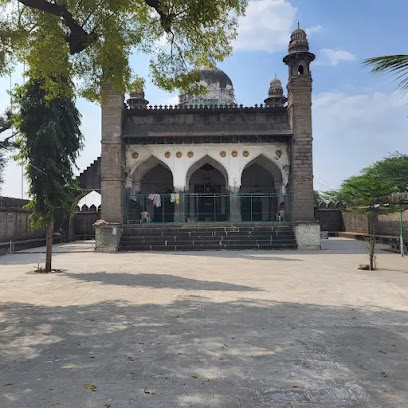
The Jama Masjid stands as a premier congregational sanctuary, a magnificent historical monument, and a major spiritual centre within the historic town of Fathkhelda (traditionally known as Sakharkherda). Situated on an elevated terrain within Maharashtra's western Vidarbha territory, this centuries-old structural marvel serves as an indispensable socio-religious nucleus. It effectively coordinates the timeless spiritual discipline, traditional Islamic literacy, and regional fellowship for multi-generational local families, local traders, and visiting travellers across the Buldhana district. Historical and Religious Significance The mosque complex holds an elite position among the region's heritage sanctuaries, beautifully capturing the medieval architectural genius, major historical transitions, and early Islamic footprint across the Deccan. A Monument of Royal Consecration: Unlike contemporary neighbourhood prayer centres, this historic structure was raised during the zenith of regional sultanate governance. Constructed under meticulous administrative supervision, the permanent stone structure of the Jama Masjid was formally established in 1581. For nearly four and a half centuries, it has served as a timeless anchor for daily worship, scriptural learning, and communal harmony. The Legacy of Fathkhelda (Sakharkherda): The history of the mosque is deeply bound to the strategic political geography of the town. Fathkhelda was the site of the historic Battle of Sakharkherda (1724), where Mir Qamar-ud-din Khan (later famously known as Asaf Jah I, the First Nizam of Hyderabad) defeated Mubariz Khan, the Mughal Governor of the Deccan. To commemorate this monumental victory, which laid the foundation for the independent Asaf Jahi Dynasty, the town was formally renamed Fathkhelda ("The Village of Victory"). The Jama Masjid stood as a quiet witness to these empires, providing a spiritual resting place for passing cavalry, royal travellers, and early administrative settlements. Classical Sultanate Architecture: Architecturally, the Jama Masjid showcases the magnificent style typical of the late medieval Deccani and Sultanate eras. Built completely using dressed black basalt stone and durable lime mortar, the property features solid masonry walls, beautifully carved multi-foil arches, simple, elegant minarets, and a striking central dome. The structural design emphasises natural cooling and geothermal breeze pathways, ensuring the main inner prayer hall remains perfectly ventilated during the intense summer months of central India. Sunni Tradition: Operating under the general guidance of the local Ahlus Sunnat Wal Jama'at (Sunni) tradition, matching the deep-rooted theological tapestry of urban Maharashtra, the mosque acts as a primary spiritual authority for the local Jamath. It maintains a highly disciplined and strictly punctual schedule for the five obligatory daily prayers (Salah). The Friday Khutbah: As the preeminent congregational house of worship for the entire taluk perimeter, its weekly Friday Jumu'ah assemblies draw substantial crowds that fill the inner prayer lines and overflow into the open stone courtyards. The sermons are delivered in clear, highly articulate Urdu, focusing closely on absolute monotheism (Tawheed), moral character enhancement, business ethics in the local marketplaces, family rectitude, and neighbourly civic compassion across faiths. Educational & Social Anchor: The mosque trust coordinates an active evening Madrasa, ensuring that local youth receive a solid foundation in Quranic recitation, classical Arabic phonetics, and prophetic history. Concurrently, the administration manages charity networks to distribute food security relief, seasonal economic aid, and traveller support to underprivileged families residing within the peripheral agricultural blocks. Location and Accessibility: The heritage mosque enjoys a commanding and historically continuous position within the town layout of Fathkhelda, keeping its sacred inner prayer halls beautifully insulated from vehicular thoroughfare noise while remaining completely accessible to local road loops. Traveller's Note: The Shahi Jama Masjid Fathkhelda features an absolutely stunning traditional architectural layout highlighted by its ancient stone walls, naturally well-ventilated main prayer halls, standard minarets, a magnificent dome, and tidy, organised facilities for ritual purification (Wudu). Its rich history, tranquil environment, and proximity to medieval battle terrains make it an exceptionally rewarding rest-and-prayer stop for travellers, historians, and heritage seekers exploring the Vidarbha-Marathwada border. Visitors from all backgrounds are warmly welcomed, and traditional modest attire paired with proper decorum is expected when stepping inside the sacred premises.
Year of Built: 1581
Address: Fathkhelda
Country: India
State: Maharashtra
District: Buldhana
Pincode: 443202
Longitude: 76.39872752828887
Latitude: 20.205736557133655