
Indo Islamic Heritage


1.jpeg)
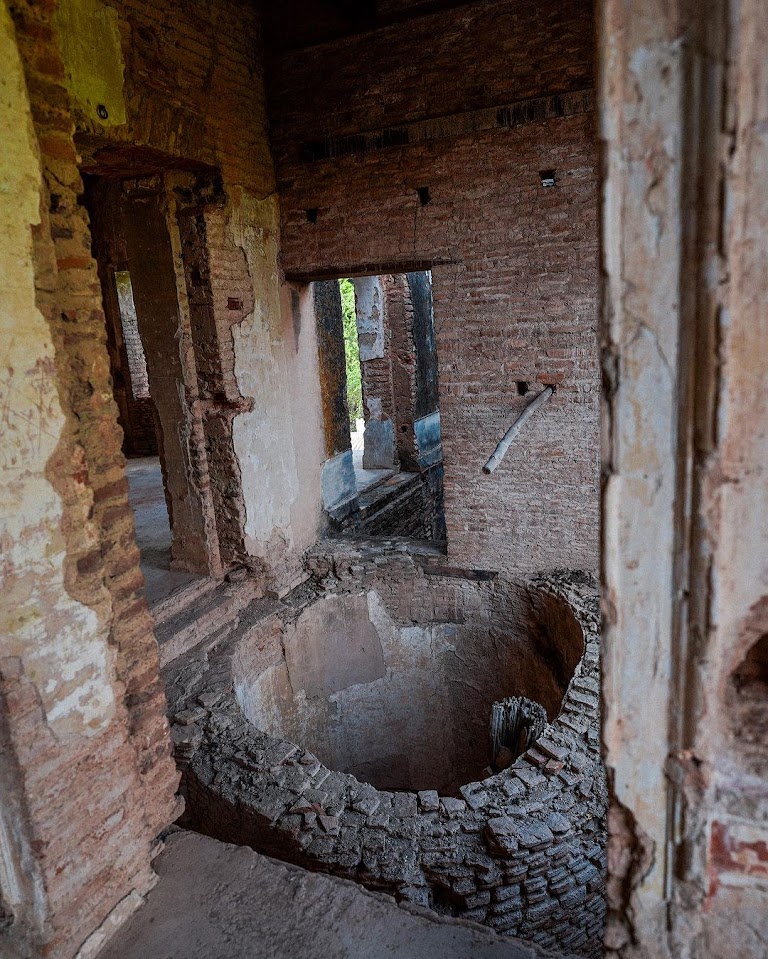
Bibiyapur Kothi: A Forgotten Jewel of Awadh Perched gracefully on the right bank of the Gomti River, just a few kilometers southeast of Lucknow and near the Dilkusha Palace, stands the Bibiyapur Kothi. Nearest Bus Stop: Dilkusha Bus Stop (~3 km). Nearest Railway Station: Lucknow Junction (~10 km). Nearest Metro Station: Hazratganj Metro Station (~7 km). Nearest Airport: Chaudhary Charan Singh International Airport (~18 km).
Perched gracefully on the right bank of the Gomti River, just a few kilometers southeast of Lucknow and near the Dilkusha Palace, stands the Bibiyapur Kothi. A silent witness to the rich cultural and political history of Awadh, this architectural masterpiece, now abandoned, echoes tales of grandeur and intrigue from a bygone era. A Royal Legacy Commissioned by Major General Claude Martin for Nawab Asaf-ud-Daula, the Bibiyapur Kothi was originally constructed as a hunting lodge and occasional royal retreat. Over time, it evolved into a significant venue for state affairs and a guest house for visiting British dignitaries. One of the most notable historical moments within its walls occurred in 1798, when Sir John Shore (later Lord Teignmouth) issued orders to depose Wazir Ali, the alleged son of Nawab Asaf-ud-Daula. From these very halls, Sa?adat Ali Khan was summoned from Benares, honored with a grand durbar, and ceremoniously escorted to Lucknow to be declared the rightful Nawab of Awadh. Architectural Splendor The Bibiyapur Kothi exemplifies a harmonious blend of elegance and simplicity. Its rectangular ground plan, constructed with lakhauri bricks, features: Lofty ceilings adorned with wooden beams and rafters. Spacious halls with spiral staircases leading to upper levels. Double columns, imposing in their stature, supporting the structure. The grand hall, once embellished with white and blue European tiles, exuding sophistication. The exterior, coated with thick lime plaster, speaks of the meticulous craftsmanship of the time. A Symbol of Transition More than a hunting lodge or architectural marvel, the Bibiyapur Kothi symbolized the transition of power between the Nawabs of Awadh and the British. Its corridors resonate with the political negotiations, royal decrees, and ceremonial events that shaped the history of the region. Visiting Bibiyapur Kothi Though in a state of disrepair, Bibiyapur Kothi remains an alluring site for history enthusiasts and architecture admirers. Location: Bibiyapur, near Dilkusha Palace, Lucknow, Uttar Pradesh, India. Pincode: 226002. Year Built: Late 18th century (under Nawab Asaf-ud-Daula?s patronage). The Bibiyapur Kothi is more than just a relic of the Nawabi era?it?s a portal to a time of royal leisure, political maneuvers, and cultural exchanges. Despite its current state, the kothi stands as a testament to the ingenuity of its creators and the opulence of Awadh?s history. For anyone exploring the legacy of Lucknow, this forgotten jewel is a must-visit destination.
Year of Built: Late 18th century
Address: RXCJ+WP, Gomti Nagar, Lucknow, Uttar Pradesh 226002
Country: India
State: Uttar Pradesh
District: Faizabad
Pincode: 226002
Longitude: 80.9605? E
Latitude: 26.8200? N