
Indo Islamic Heritage


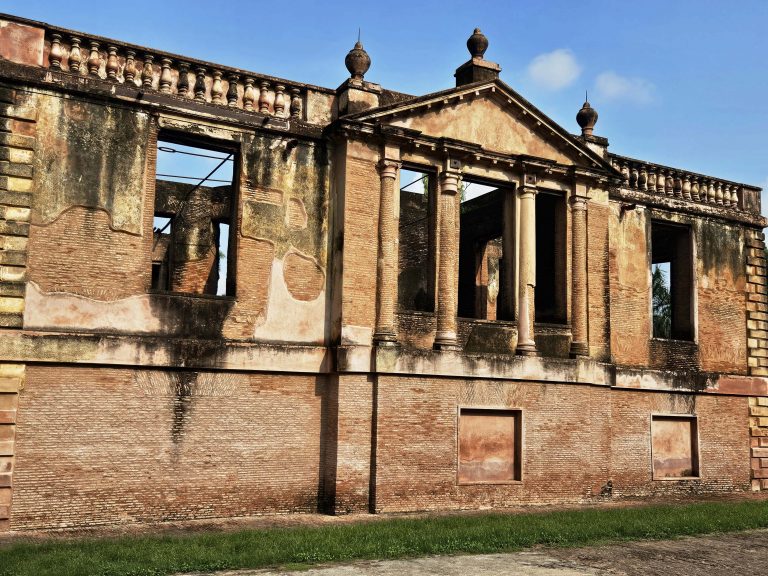
Dilkusha Palace: A Hauntingly Beautiful Relic of Awadh In the verdant heart of Lucknow, just south of La Martiniere College, stands the ethereal ruins of Dilkusha Palace, a regal symbol of Awadh?s bygone grandeur.
In the verdant heart of Lucknow, just south of La Martiniere College, stands the ethereal ruins of Dilkusha Palace, a regal symbol of Awadh?s bygone grandeur. True to its name, which translates to ?heart?s delight?, this once-splendid structure evokes both fascination and melancholy as it whispers tales of royal leisure, historic ascents, and the upheaval of the 1857 rebellion. A Royal Retreat Amidst Nature Commissioned by Nawab Saadat Ali Khan between 1798 and 1814, Dilkusha Palace was originally designed as a hunting lodge and royal getaway. The approach to the palace, through a grand avenue of towering trees and a winding drive, culminated in an arched gateway adorned with pilasters. Surrounding the palace, a sprawling park teemed with wildlife, including deer, creating an idyllic escape for the nobility. The palace?s serenity was particularly cherished by the ladies of the royal harem, who often sought solace within its tranquil environs. A Stage for Historic Events Dilkusha Palace has been a witness to moments of grandeur and innovation. In 1830, a remarkable balloon ascent was performed by an English aeronaut in the presence of King Nasir-ud-din Haidar and a gathering of Awadh?s elite nobility, marking a historic spectacle in its gardens. The Tumult of 1857 The palace?s grandeur waned during the First War of Independence in 1857, when it became a stronghold for British troops. Occupied by the General Commanding the Oudh Division, the palace suffered extensive damage and was later deemed unsafe. Consequently, large portions of the structure were dismantled, leaving behind haunting ruins that echo its former splendor. A Garden of Memory Despite its dilapidated state, the ruins are nestled within beautifully landscaped flower gardens and lush lawns, offering a poignant contrast between history and nature. Adjacent to the southern fa?ade of the palace lie the tombs of British officers who fell during the capture of Lucknow, including the final resting place of Major General Henry Havelock, who passed away on November 24, 1857. Architectural Splendor The palace?s design, inspired by English Baroque styles, remains evident in its remnants. The surviving ruins reflect the blend of Nawabi and colonial influences, showcasing lofty walls, majestic facades, and the remnants of grandeur. Visiting Dilkusha Palace While only ruins remain today, Dilkusha Palace offers a glimpse into Awadh?s royal past, making it a must-visit for history enthusiasts and those seeking solace amidst nature. Dilkusha Palace is more than just a historical site; it?s a poetic reflection of Lucknow?s past, where the elegance of Nawabi culture meets the enduring scars of colonial conflict. With its tranquil gardens and evocative ruins, the palace invites visitors to step back in time and experience the poignant beauty of Awadh?s legacy.
Year of Built: 1798-1814
Address: Dilkusha, Lucknow, Uttar Pradesh, 226002
Country: India
State: Uttar Pradesh
District: Lucknow
Pincode: 226002
Longitude: 80.9405? E
Latitude: 26.8333? N