
Indo Islamic Heritage


Approach: Approximately 500 meters north-west of Mehrauli bus terminal and 2.5 km north-west of Qutub Minar metro station, Desu Road. Airport: IGI (Indira Gandhi International Airport) Railway Station: Nizamuddin Railway Station Bus Station: Mehrauli Bus Stand
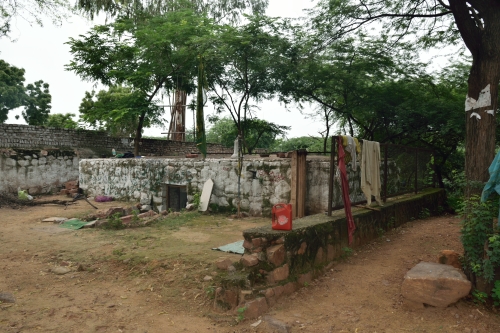
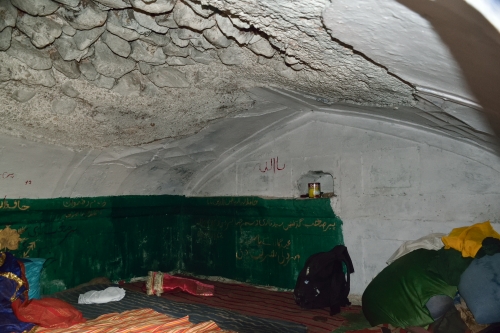
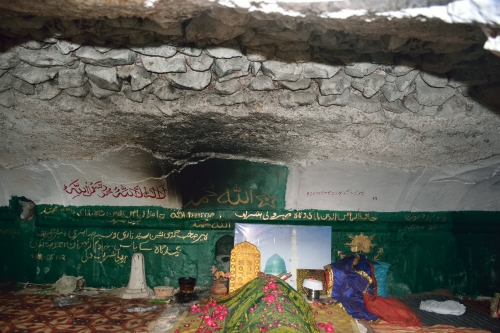
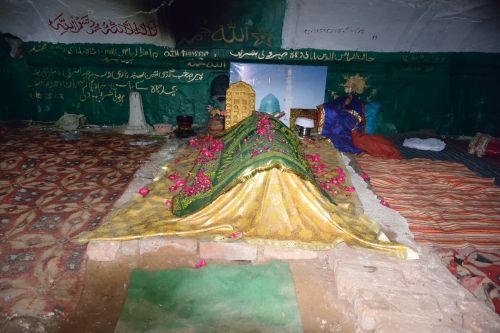
This tomb belongs to Baba Sheikh Hafiz Riyazuddin, a 14th-century Sufi saint who lived during the same era as Hazrat Sheikh Shahabuddin. He is one of the earliest Sufi saints to enter Delhi and establish the Sufi order in the region. Although not as well-known as his contemporaries, Baba Sheikh Hafiz Riyazuddin holds significant historical and spiritual importance. He was honored with the title Hafiz-a-Quran, which signifies someone who has memorized the Quran in its entirety. In Islamic tradition, a Hafiz must not only memorize the Quran but also ensure that they retain it throughout their lifetime, reflecting great devotion and discipline. Local Traditions Associated with the Site Devotees regularly visit the tomb to offer prayers and perform rituals using flowers, incense sticks, and oil lamps. The site is deeply revered, and Langar (community meals) are occasionally organized to honor the saint?s memory and legacy. Architectural Style The tomb is built in the Tughlaq architectural style, characteristic of the 14th-century Delhi Sultanate. Description of the Structure The tomb is rectangular in plan with a vaulted roof. The cenotaph, which is the focal point of the shrine, is constructed below ground level, approximately 1 meter below the entrance. The structure lacks windows and ventilators, creating a serene and isolated atmosphere suitable for prayer and reflection. Inside the vaulted chamber, the grave is adorned with distinctive blue and green cloth, which holds religious significance. This vibrant display adds a unique element to the otherwise modest design of the tomb. Construction Materials The tomb is constructed using random rubble masonry, a technique that involves using irregularly shaped stones fitted together with mortar. The structure is finished with plaster, enhancing its durability and giving it a smooth surface. Despite its simplicity, the tomb reflects the resilience and functional approach of Tughlaq architecture, making it an enduring symbol of Delhi?s medieval heritage.
Year of Built: 14th - 15th Century
Address: Approx. 5m north of the entrance of Idgah
Country: India
State: Delhi
District: South Delhi
Pincode: 110030
Longitude: 77 10 37
Latitude: 28 31 36