
Indo Islamic Heritage


Approach: Approximately 1.5 km from Mahipalpur Bus Stand on Mehrauli-Mahipalpur Road, opposite Sector C, Pocket 9, Vasant Kunj. A small kutcha road leads north from the west of the Spinal Injuries Centre. Airport: IGI Railway Station: Nizamuddin Bus Station: Vasant Kunj
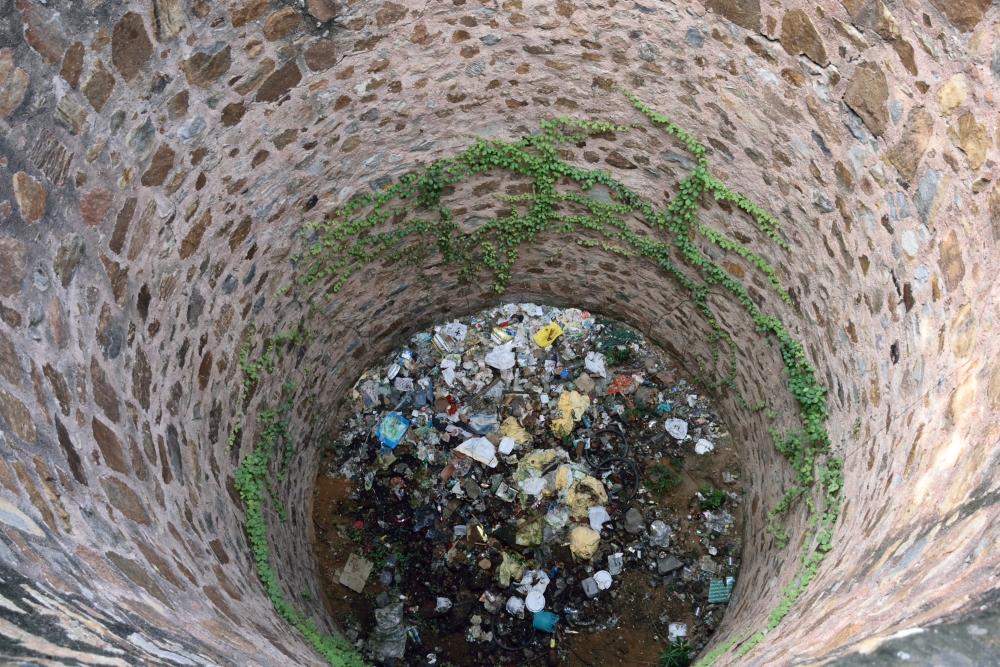
Garhi Ka Well: A Historical Perspective Garhi Ka Well is an archaeological site of significant historical value, dating back to the Tughlaq era. It is considered one of the oldest wells in Delhi, reflecting the architectural ingenuity of the period. The well is located behind the mausoleum, past the pavilion, and stands as a remarkable example of medieval water conservation structures. Architectural and Structural Features The well is an immensely gigantic structure with an approximate diameter of 7 meters, making it one of the largest wells of its kind. It is circular in plan and exhibits a robust construction style, characteristic of Tughlaq-era engineering. Built using random rubble masonry, the well showcases the use of local stone, a common feature in medieval architecture that ensured durability and strength. The structure?s masonry technique involves irregularly shaped stones carefully fitted together, held in place by lime or mud mortar, a traditional method used during the Tughlaq dynasty. The rugged and sturdy construction highlights the era?s focus on functionality and resilience, making the well a crucial resource for water storage in its time. Despite its historical and architectural significance, no traditional or local folklore is associated with the site. However, its grand scale and strategic location indicate that it once played a vital role in the settlement?s water management system. Today, Garhi Ka Well stands as a testament to the Tughlaq dynasty's engineering skills and their emphasis on sustainable infrastructure.
Year of Built: 14th - 15th Century
Address: Approx. 50m South-east of Sultan Ghari Tomb
Country: India
State: Delhi
District: South West Delhi
Pincode: 110070
Longitude: 77 8 13
Latitude: 28 31 59