
Indo Islamic Heritage


Approach: Approximately 1.2 km to the southwest of Hauz Khas metro station, a road leading to Begampur Village Airport: IGI Railway Station: Nizamuddin Bus Station: Hauz Khas
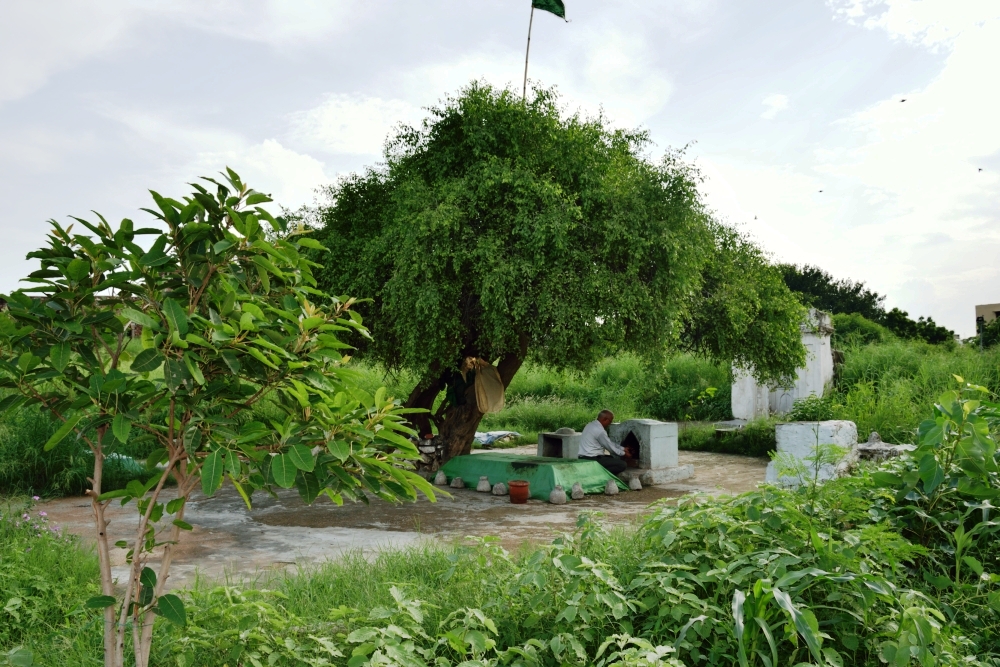
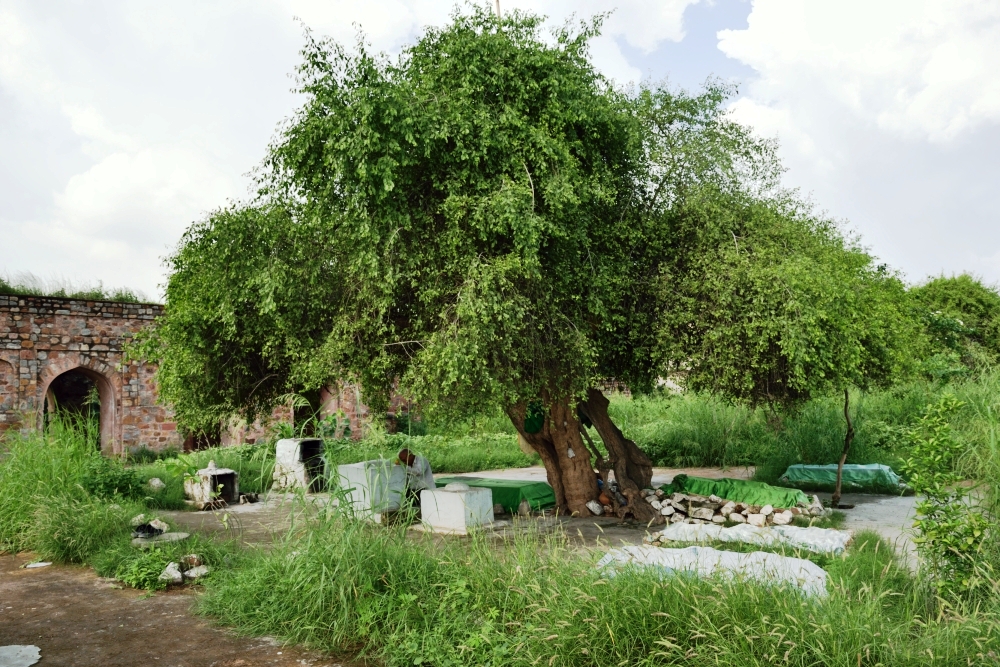
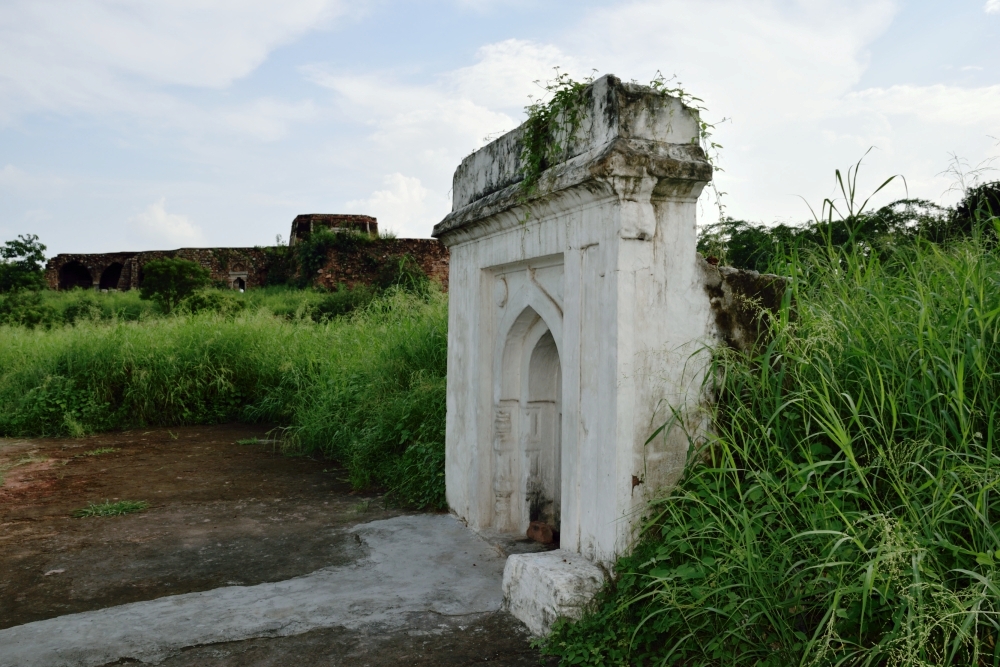
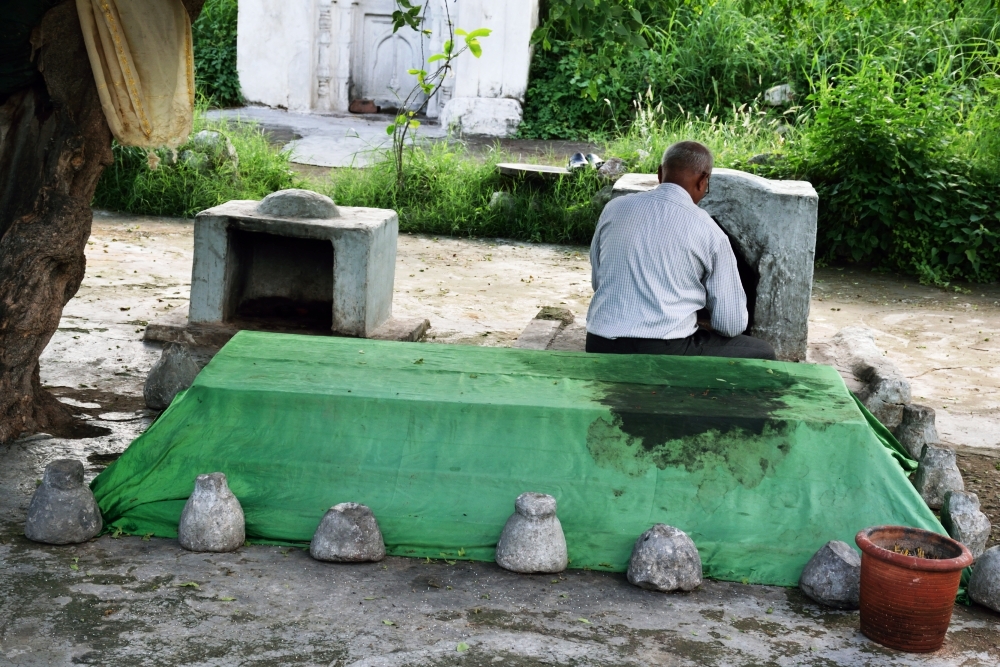
Shaikh Hasan Tahir lived during the reign of Sultan Bahlol Lodi and Sultan Sikandar Lodi. It is believed that one of the brothers of Sultan Sikandar Lodi was a disciple of the saint. The present Bijai Mandal complex was once occupied as a residence by Shaikh Hasan Tahir. He passed away in 1503 A.D. and was buried in the neighborhood. Local / Traditional Significance The grave of Shaikh Hasan Tahir remains a site of religious devotion, visited by devotees who offer prayers, sweets, and flowers as a mark of respect. This tradition has continued for centuries, reflecting the deep spiritual significance of the site in the local community. Architectural Style The site follows the Lodi architectural style, which was prevalent during the late 15th and early 16th centuries. The Lodi dynasty was known for its distinctive architecture, which included features such as simple yet robust structures, the use of rubble masonry, and decorative elements in mihrabs and domes. Description of the Structure The enclosure primarily contains the grave of Shaikh Hasan Tahir, which is the largest among the graves present within the site. This grave is always covered with a green cloth, which holds religious significance for the devotees. In addition to his grave, there are several other smaller, plastered graves, likely belonging to the saint?s descendants. To the west of these graves stands a red sandstone mihrab, which is built into a small rubble wall coated with plaster. The mihrab, approximately 2.5 meters in height, is an architectural feature that indicates the direction of prayer (qibla). It is adorned with a carved pendent in the center, adding to its aesthetic and religious value. The enclosure appears to have been part of a larger structure, possibly a mosque or another religious building. There is evidence of an entrance doorway on the eastern side, which suggests that the current remains were once part of a more expansive complex. Materials Used in Construction The structure is primarily built using rubble masonry, which was a common technique during the Lodi period. The walls and other elements are coated with plaster, which would have originally provided a smooth finish and protection from weathering. The mihrab is made of red sandstone, a material often used in Islamic architecture for its durability and decorative appeal. The overall design and construction techniques indicate that the site was an important religious and spiritual center during the Lodi era, preserving the legacy of Shaikh Hasan Tahir for generations to come.
Year of Built: 15th - 16th Century
Address: East of village Begampur, rare of Bijai Mandal in green area
Country: India
State: Delhi
District: South Delhi
Pincode: 110086
Longitude: 77 12 21
Latitude: 28 32 29