
Indo Islamic Heritage


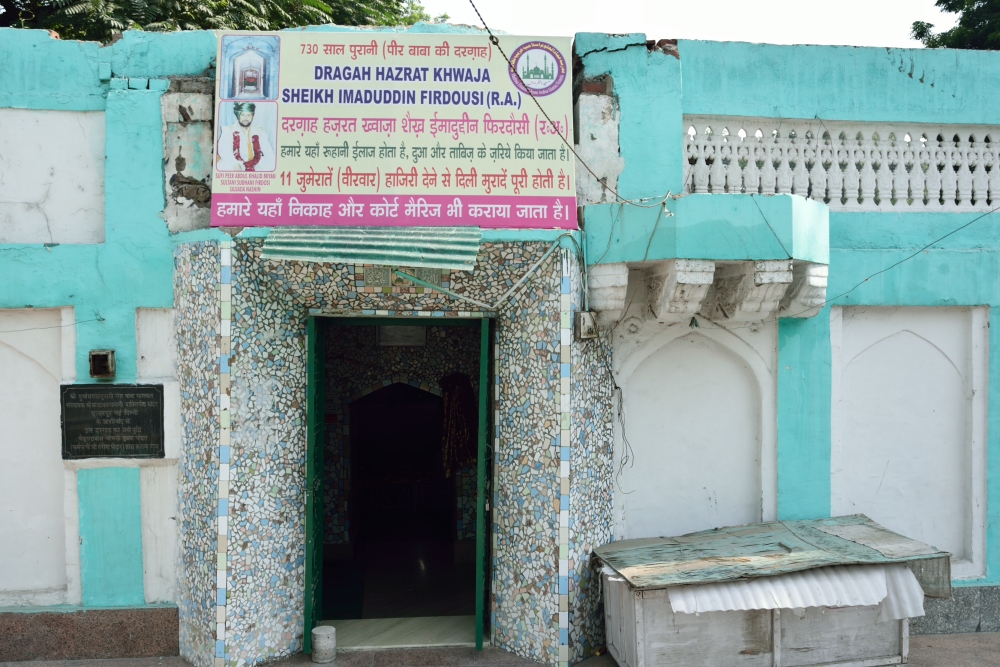
Approach: Approximately 1.6 km northwest of Nizamuddin Bus Stand and Railway Station via Mathura Road and Lodi Road. Airport: Indira Gandhi International (IGI) Airport. Railway Station: Nizamuddin Railway Station. Bus Station: Nizamuddin Bus Stand.
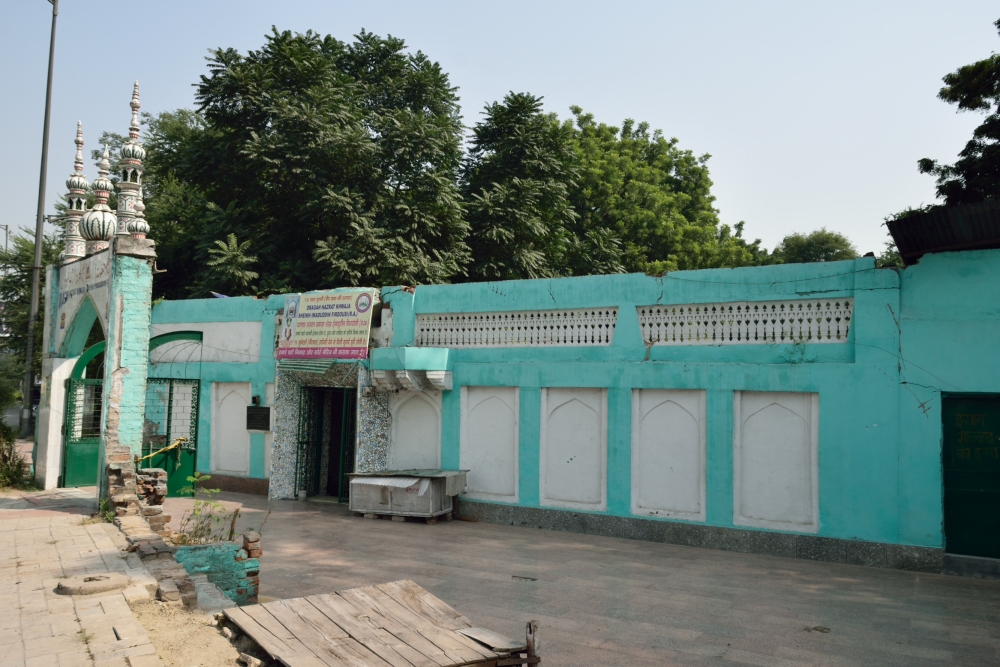
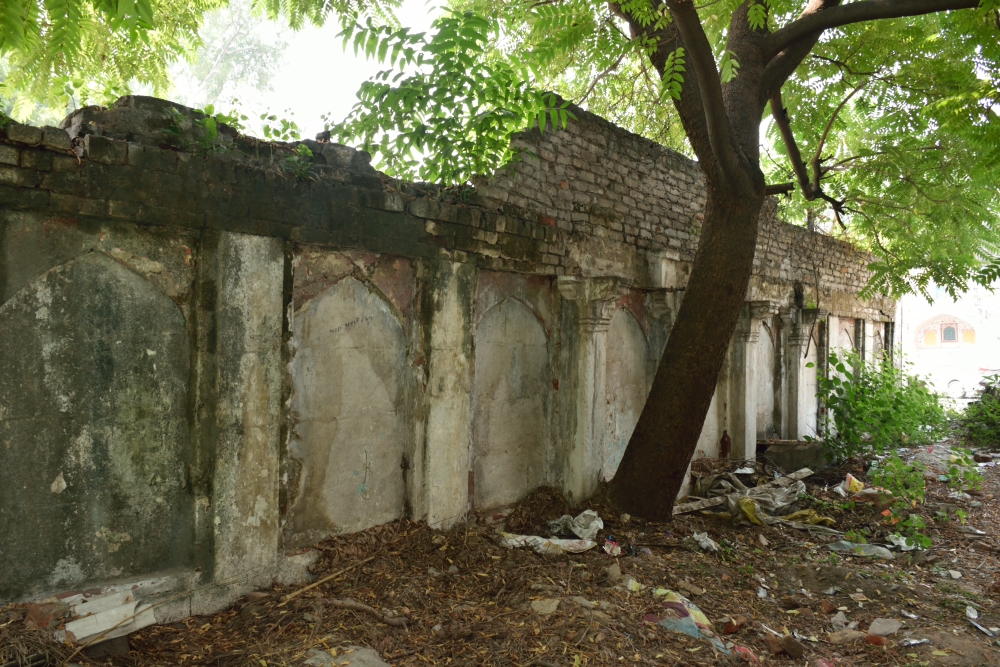
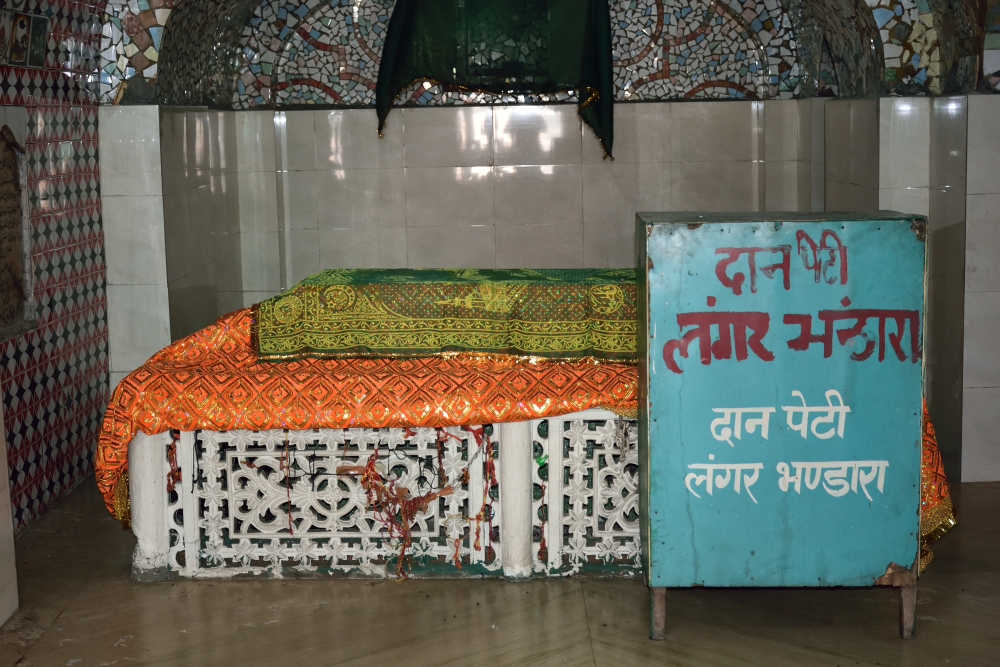
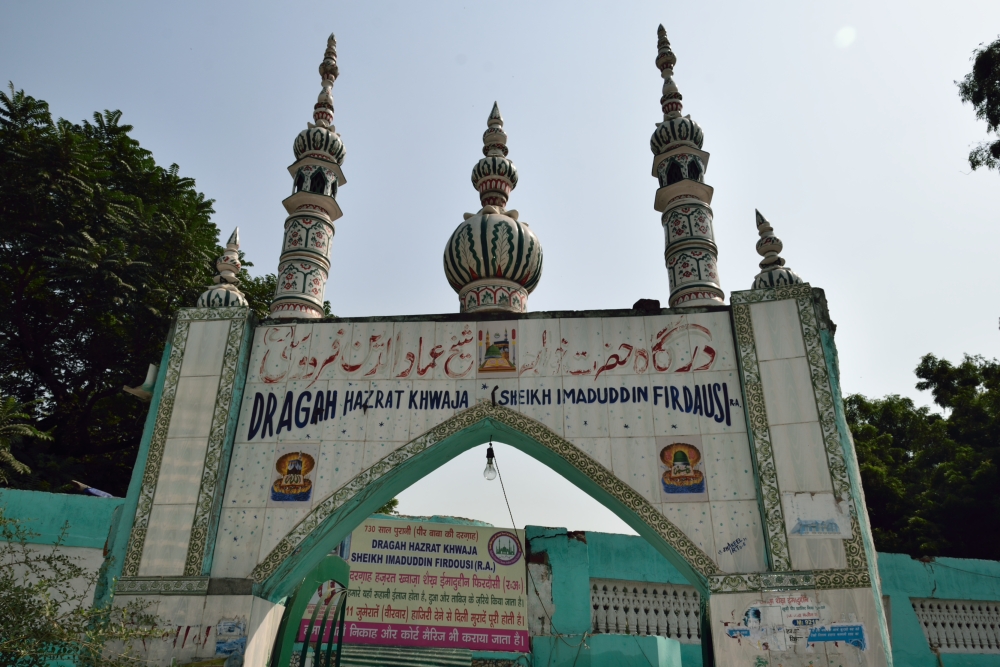
Not much is known about Shaikh Imaduddin Firdousi, but he was most likely a revered Sufi saint. He is recognized as one of the 22 Khawaajgaan (spiritual masters) of Delhi. His shrine, or Aastana, is still used for religious purposes, where devotees gather to seek blessings. Historical records indicate that he passed away in 1329 A.D. Local/Traditional Description Associated with the Built Heritage According to local tradition, Shaikh Imaduddin Firdousi was a Sufi saint buried at the site. Devotees continue to offer prayers at his tomb, performing rituals with flowers and incense sticks as a mark of reverence. The site also serves as a place for community gatherings, and Langar (a communal free meal) is periodically organized, following the long-standing tradition associated with Sufi shrines. Architectural Style The tomb follows the Tughlaq architectural style, which is characterized by simplicity, robust construction, and the use of locally available materials. The Tughlaq dynasty, known for its military and defensive architectural features, also constructed numerous tombs with similar structural elements. Description of the Building/Structure/Site The tomb of Shaikh Imaduddin Firdousi is a square-shaped structure built primarily using rubble masonry. The exterior walls are faced with local grey stone, which is further enhanced with arches supported by attached pilasters and carved capitals, all made of the same material. The arches are framed in red sandstone, providing a striking contrast against the grey stone. The entire building is coated with white plaster, giving it a distinctive appearance. The entrance to the tomb is through an arched opening on the western side. Inside, the structure consists of two aisles, each containing three compartments. The central compartment of the northern aisle houses a grave, believed to be that of Shaikh Imaduddin Firdousi. Additionally, on either side of the entrance, there is a flight of nine steps leading up to the roof, where two or three cenotaphs are placed. The floor, walls, and roof of the structure are uniformly covered with broken ceramic tiles, which were likely added at a later stage. The historian Zafar Hasan provided detailed measurements of the tomb, noting that it measures approximately 14.64 square meters externally and stands on a raised platform measuring 21.96 square meters with a height of 0.91 meters. Over time, the enclosure has undergone significant alterations, possibly due to repairs or modifications made by local caretakers or authorities. Structure Material and Other Materials Used The primary construction material used in the tomb is rubble masonry, which forms both the foundation and the superstructure. The walls and other architectural elements are coated with plaster to provide a smooth finish. Red sandstone and locally available grey stone have also been used in the construction, particularly for decorative features such as arches and pilasters. In later periods, modern construction materials, including ceramic tiles, have been incorporated into the building. These additions may have been made to preserve the structure or to enhance its visual appeal. Despite the alterations, the tomb retains its historical and architectural significance, serving as an important religious and cultural landmark that continues to attract devotees and visitors alike.
Year of Built: 14th - 15th Century
Address: At the servise entrance, Hotel Oberoi, Matura Road
Country: India
State: Delhi
District: South Delhi
Pincode: 110024
Longitude: 77 14 24
Latitude: 28 35 45