
Indo Islamic Heritage


Approach: Nearest Metro Station: Delhi Gate or New Delhi Nearest Railway Station: New Delhi Railway Station Nearest Bus Stop: G.B. Pant Hospital Bus Stand
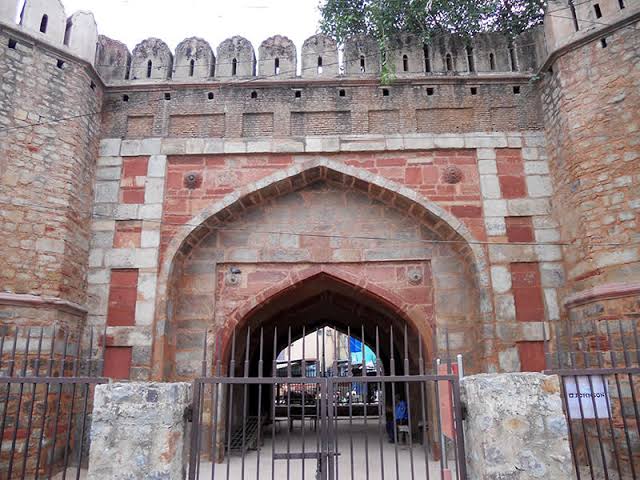
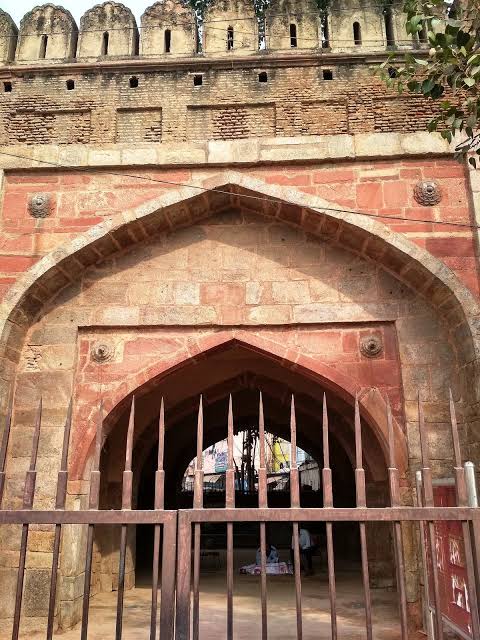
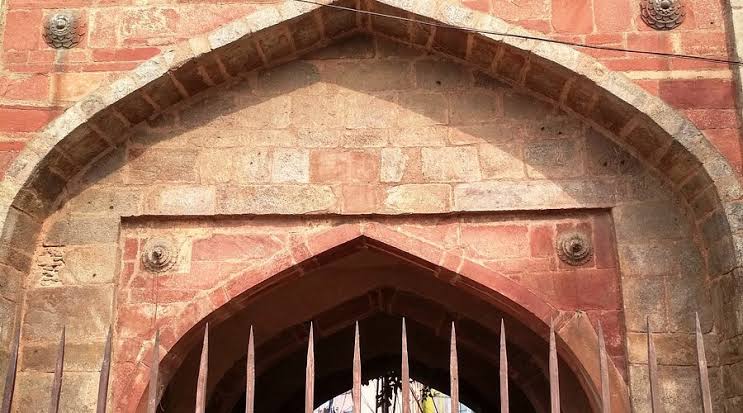
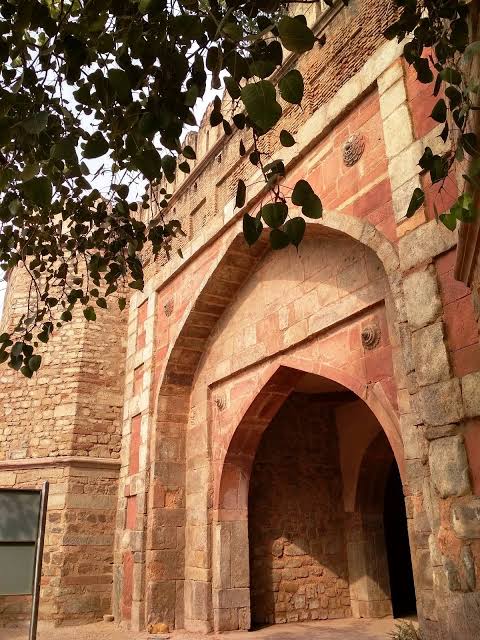
Turkman Gate is one of the historical gateways of Shahjahanabad, the famous walled city built by the Mughal emperor Shah Jahan when he shifted his capital from Agra to Delhi in 1683 CE. The gate derives its name from the nearby tomb of Shah Turkman, a revered saint from the Mughal era. Over the years, the area surrounding the gate has retained its cultural and historical significance. Every year, a fair is held in the neighborhood to commemorate the death anniversary of Shah Turkman, attracting devotees and visitors who pay their respects and celebrate the local traditions associated with the saint. Architecturally, Turkman Gate is a fine example of Mughal-era gateway design. The structure is rectangular in plan and consists of two bays. The first bay is covered with a flat roof, while the second bay features a domed roof, showcasing a combination of architectural styles that were prevalent during the Mughal period. The southernmost opening of the gate is flanked by semi-octagonal double-storey bastions on both sides, adding to the grandeur and defensive strength of the structure. The gateway has three arched openings, with the ones at the outer ends featuring double arches, an element commonly seen in Mughal architecture. These arched openings not only enhance the aesthetic appeal of the gate but also reflect the intricate craftsmanship of the time. Although Turkman Gate once formed a crucial part of the fortified city wall of Shahjahanabad, no significant remains of the original city wall exist today. Over time, urban development and modernization have altered the landscape, but the gate itself continues to stand as a historical landmark, offering a glimpse into Delhi's rich past.
Year of Built: 17th Century
Address: Turkman Gate, Chandni Chowk, New Delhi
Country: India
State: Delhi
District: Central Delhi
Pincode: 110006
Longitude: 77.2330
Latitude: 28.6410