
Indo Islamic Heritage


Approach: Approximately 1.5 km to the northwest of Qutub Minar metro station via Anuvrat Marg and 300 meters to the south of Mehrauli bus stand. Airport: IGI (Indira Gandhi International Airport) Railway Station: Nizamuddin Bus Station: Mehrauli
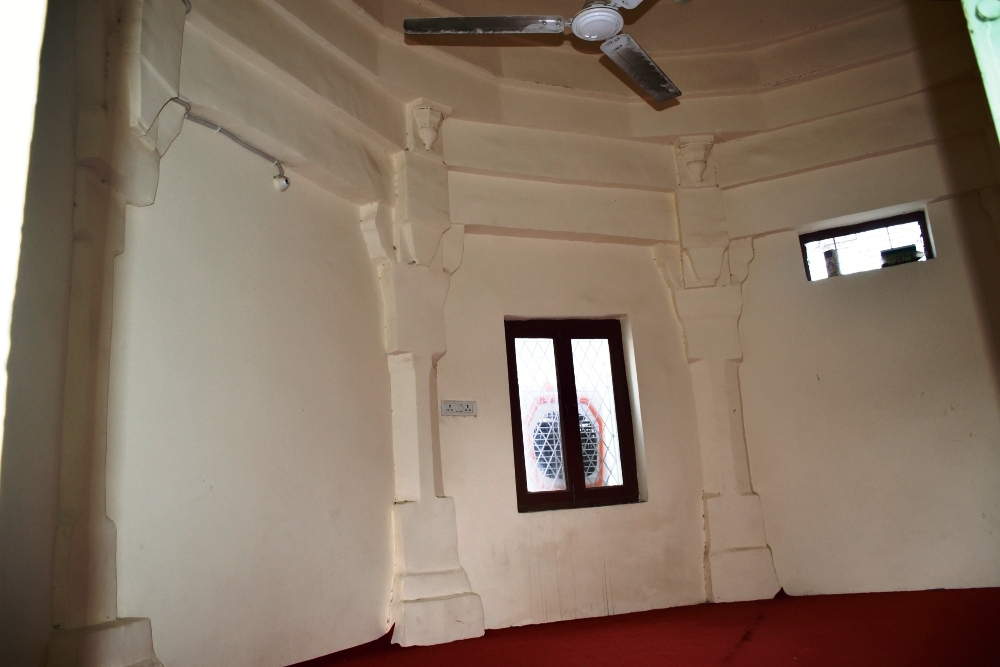
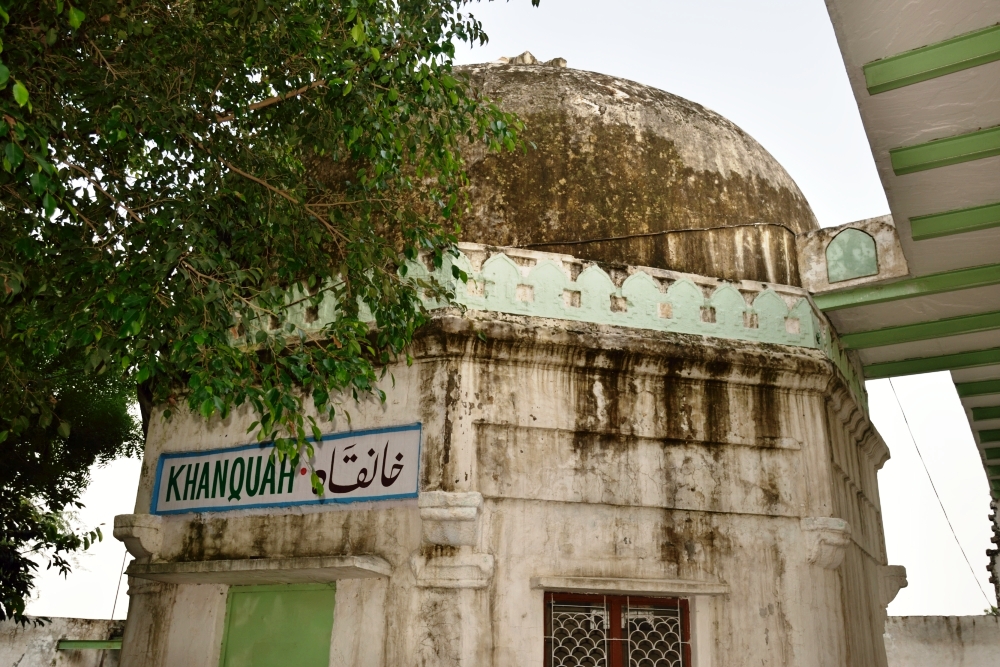
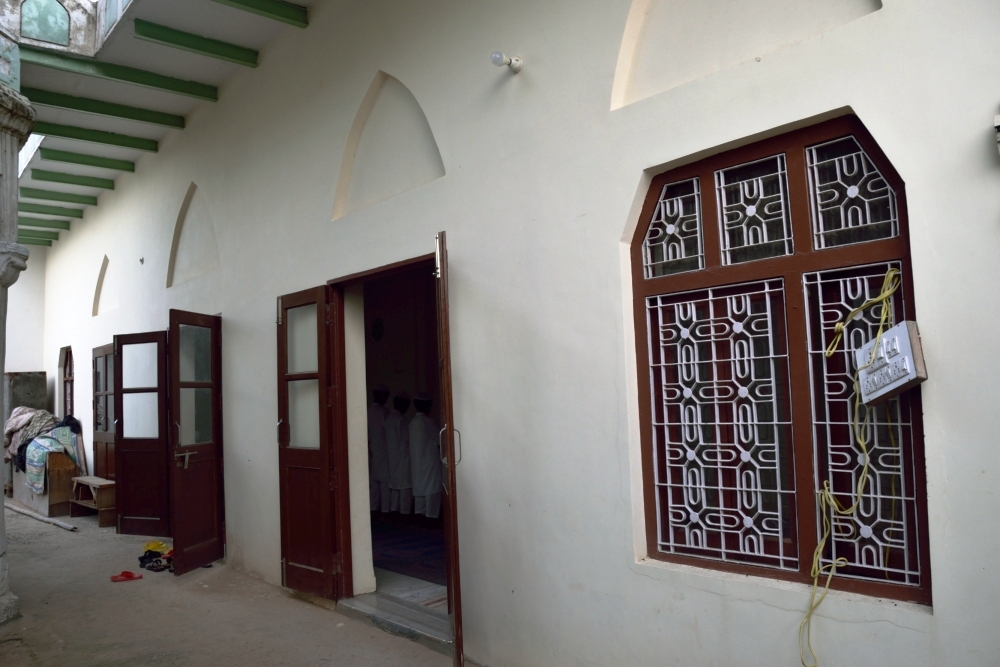
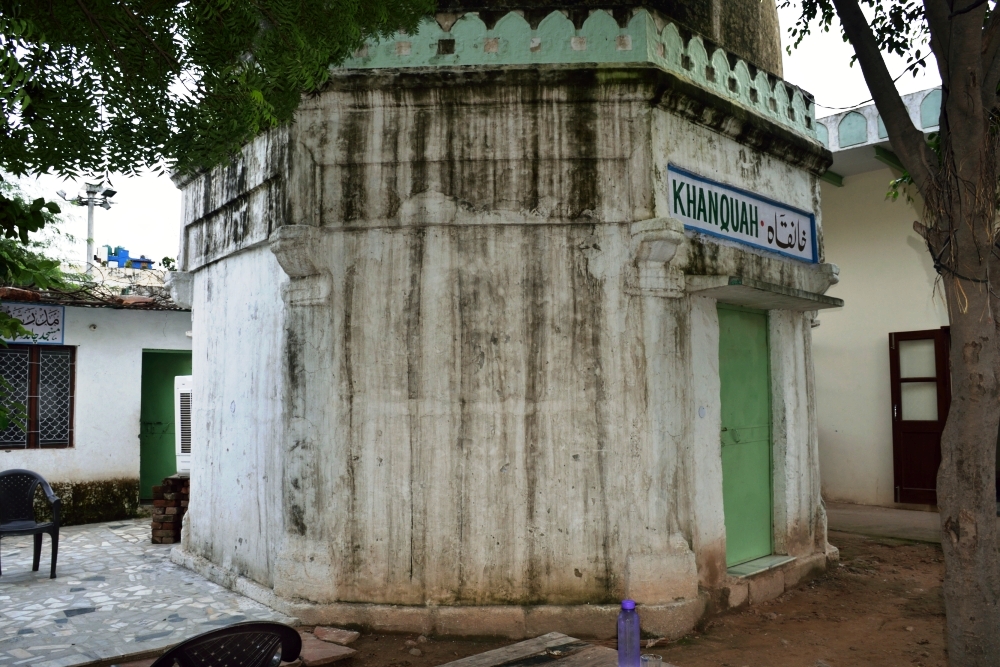
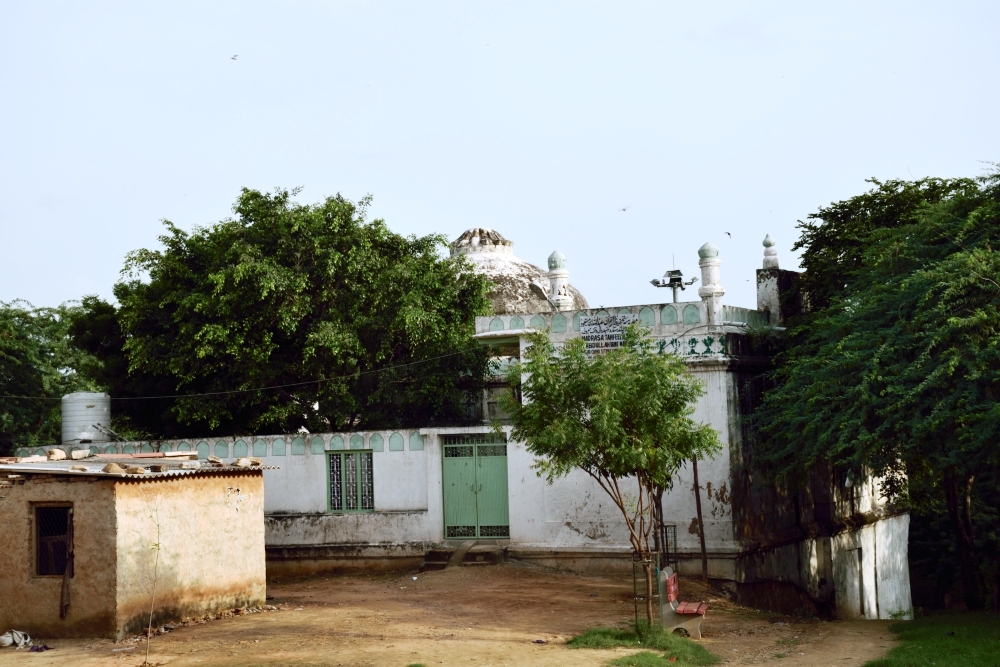
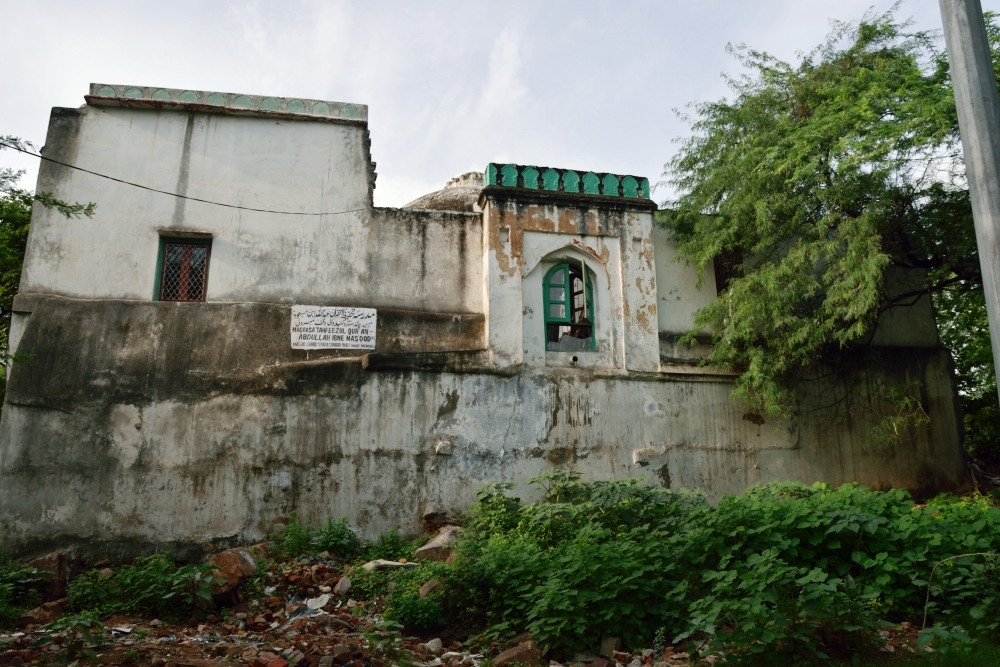
The mosque, commonly referred to as Masjid Chand Sitara Gumbad Wali, is an architectural structure of historical significance. A madarsa has also been established within the mosque, named Tahfeezul Quran-Abdullah Ibne Masood. Although there is no significant traditional information associated with the structure, it stands as an important example of Lodi architectural style. The mosque is located on an elevated plot and features a monumental design with five mihrab recesses. It has return walls on both the north and south sides. The central mihrab is prominently emphasized and is flanked by slender minarets topped with guldastas, a design element that is repeated at the north-east and south-east corners of the structure, as well as at the eastern and western ends of the return walls. Originally, the mosque likely had an entrance on the southern side; however, due to the collapse of the steps leading to it, the present-day entrance is from the eastern and northern sides. The mosque?s courtyard measures approximately 12 square meters and houses an octagonal domed building. The dome, measuring 2.93 meters in diameter, is supported by eight stone columns and is covered by a rubble plastered dome. The hemispherical dome rests on an octagonal drum. The frieze around the structure features a molded string-course of plaster, which runs all around the building and is topped with a parapet adorned with niche-shaped panels and sandstone battlements. The dome is crowned with a plaster lotus cresting, and the underside of the dome is intricately decorated with incised plaster work. The ceiling of the tomb, likely intended as a tomb structure, displays a circular medallion and decorative pendentive work. Although the pillars are partly exposed, the remaining space is enclosed with brickwork and repurposed as a restroom. The tomb, although originally presumed to be a tomb, is missing its grave. The mosque is primarily constructed using rubble masonry, finished with plaster. Over time, there have been additions and alterations using modern building materials, which have altered some of its original appearance.
Year of Built: 15th - 16th Century
Address: Mehrauli Archaeological Park, Approx. 200m to the south-west of Rajon ki Baoli
Country: India
State: Delhi
District: South Delhi
Pincode: 110030
Longitude: 77 10 55
Latitude: 28 31 10