
Indo Islamic Heritage


The Sarai Kale Khan - Nizamuddin Metro Station is the nearest metro station to the Nizamuddin area. It is conveniently located near the Hazrat Nizamuddin Railway Station and the Sarai Kale Khan Bus Stand. The closest airport to Nizamuddin is the Indira Gandhi International Airport (IGI Airport), situated approximately 18.7 kilometers away. Traveling from Nizamuddin to IGI Airport typically takes around 39 minutes by car, depending on traffic conditions. For public transportation options to IGI Airport, travelers can take the Pink Line from Sarai Kale Khan - Nizamuddin Metro Station, transfer to the Airport Express Line, and continue to the airport. The total journey time is approximately 58 minutes. Alternatively, buses operated by the Delhi Transport Corporation (DTC) run from the ISBT Sarai Kale Khan bus terminal to IGI Airport Terminal 2 every 20 minutes, with a journey time of about 1 hour and 48 minutes.
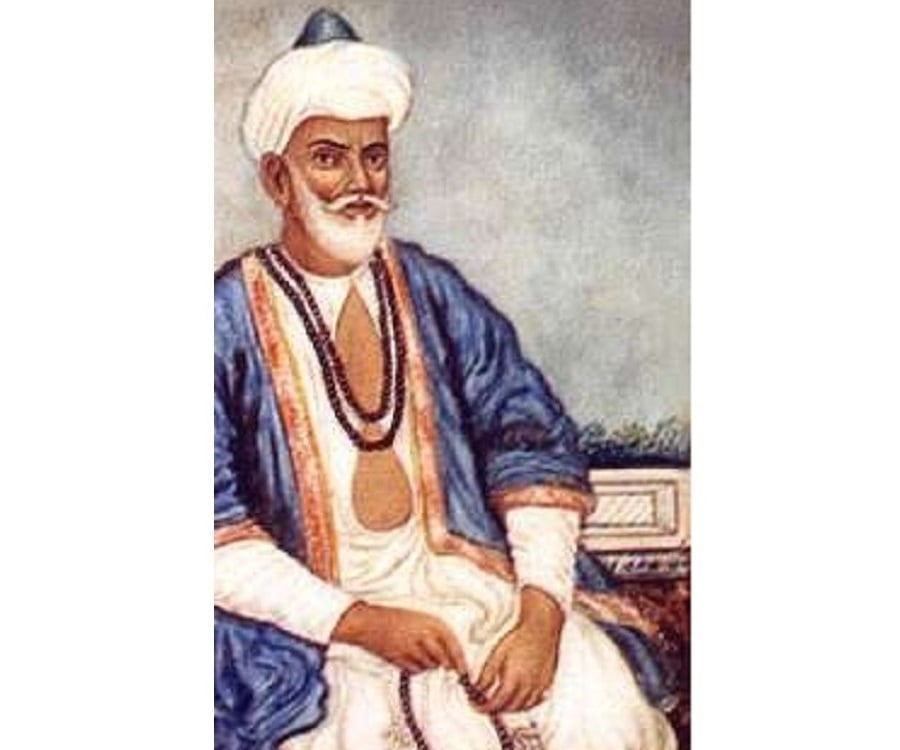
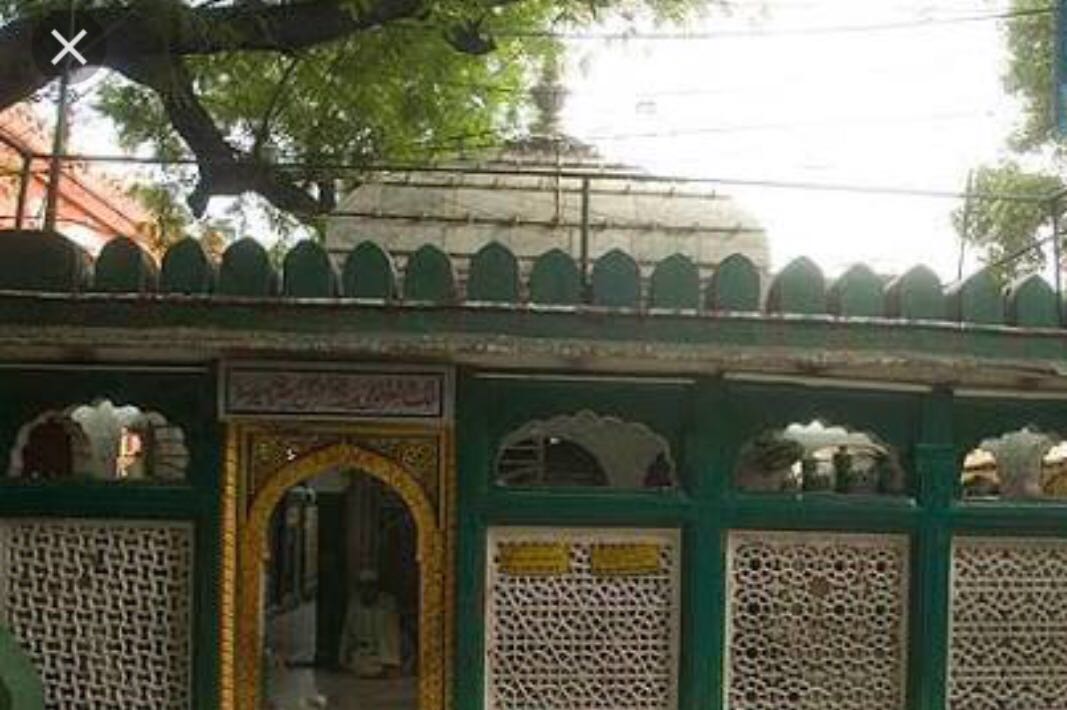
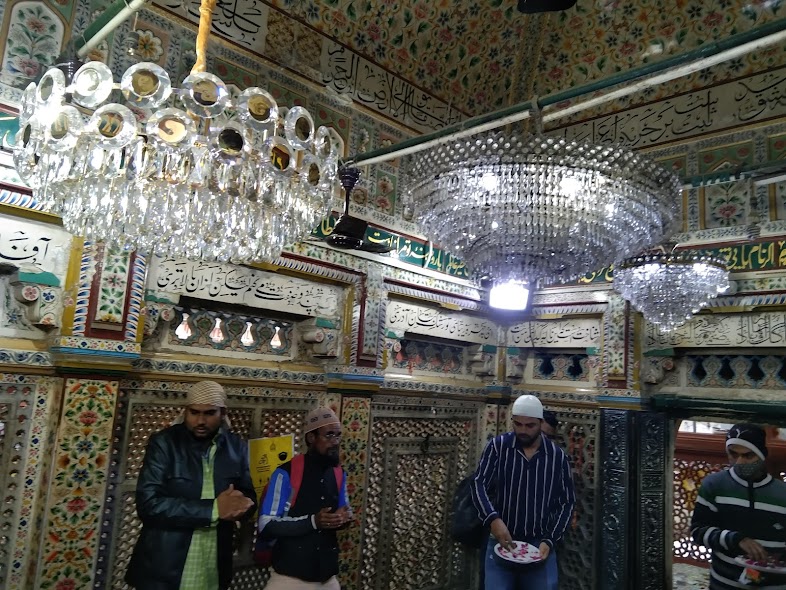
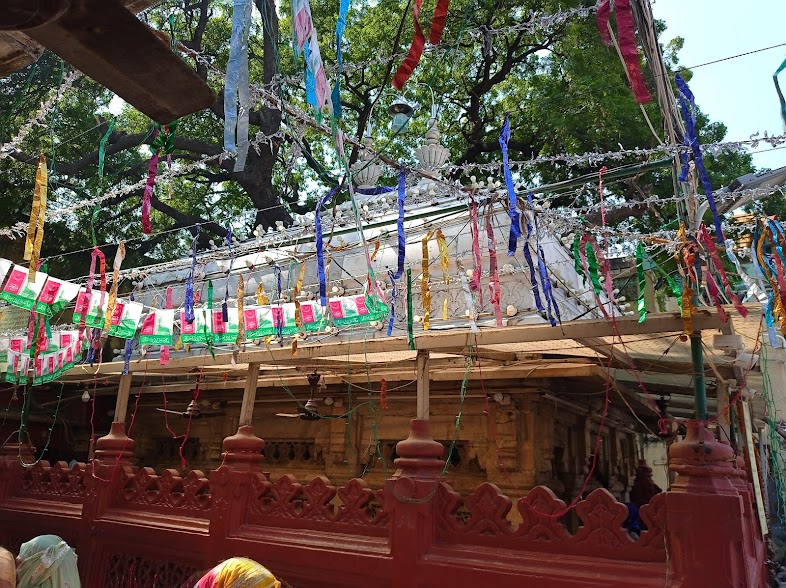
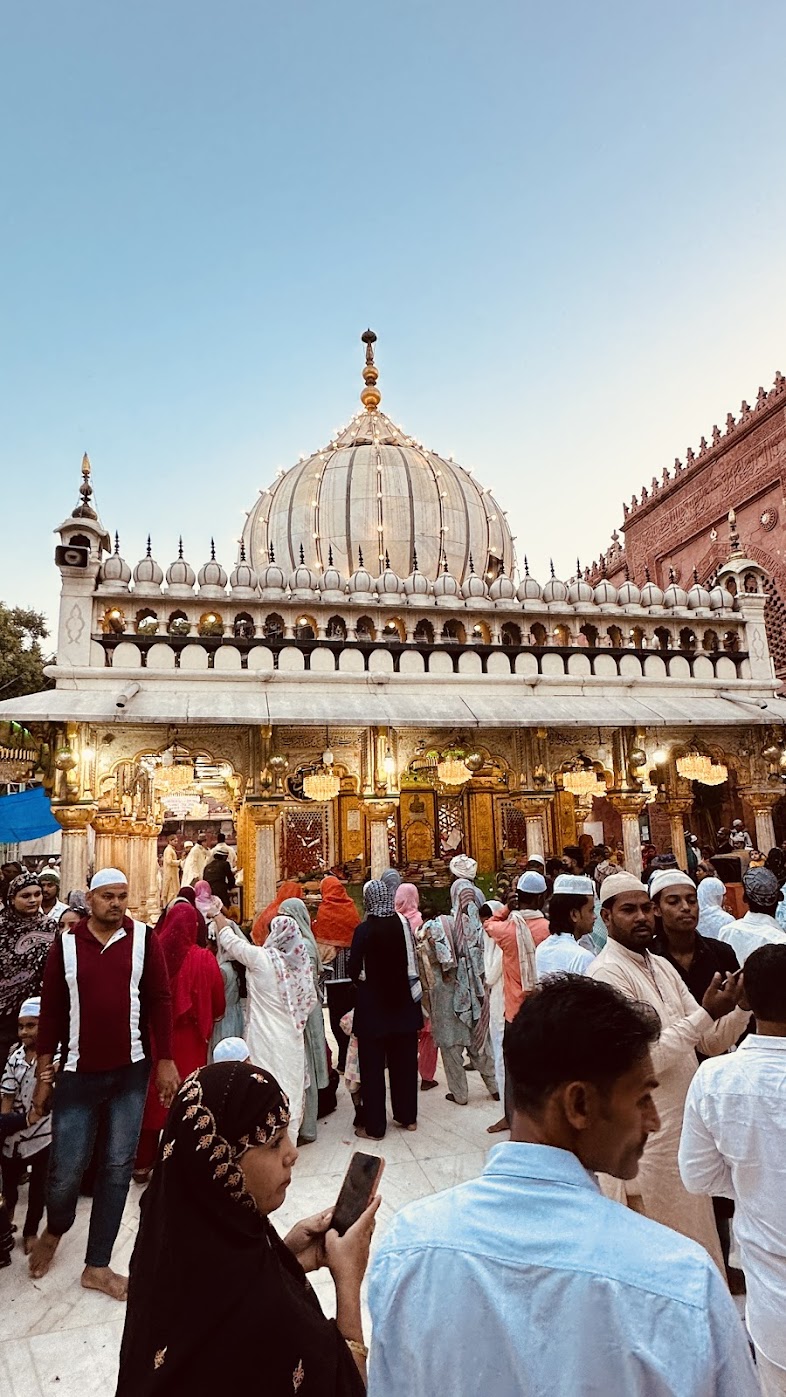
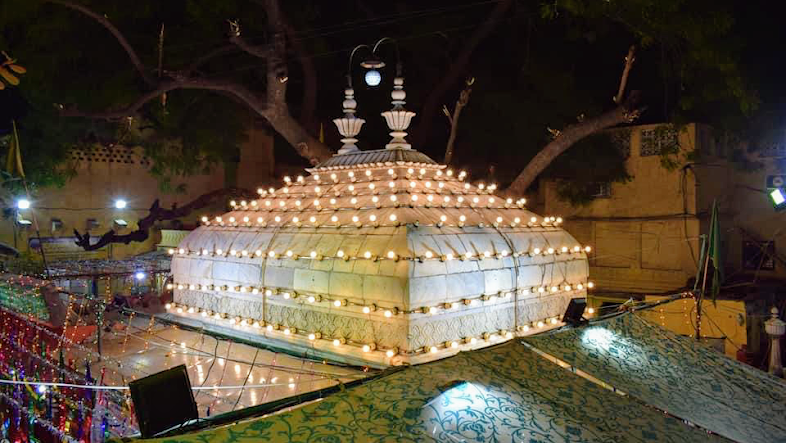
Hazrat Amir Khusrau (1253?1325 AD), born Abu'l Hasan Yamīn ud-Dīn Khusrau, was a distinguished Indo-Persian Sufi poet, musician, and scholar during the Delhi Sultanate era. He is celebrated for his profound contributions to the cultural and literary heritage of the Indian subcontinent. Early Life and Background Born in 1253 in Patiyali, in present-day Uttar Pradesh, India, Khusrau was the son of a Turkish officer serving under Sultan Iltutmish of Delhi. His upbringing in a multicultural environment endowed him with fluency in Persian, Arabic, Turkish, and various Indian dialects. This linguistic versatility deeply influenced his literary and musical creations. Literary Contributions Khusrau's literary oeuvre is vast, encompassing five divans (collections of poetry) compiled at different stages of his life. His renowned work, the "Khamsah" ("Pentalogy"), mirrors the style of the esteemed Persian poet Neẓāmī and delves into themes prevalent in Islamic literature. He adeptly employed various poetic forms, including ghazals, masnavis, and rubaiyat, enriching the Persian literary tradition. Musical Innovations A virtuoso in music, Khusrau is often hailed as the "father of Qawwali," a devotional Sufi music genre that remains influential in South Asia. He is also credited with pioneering the ghazal style in India and integrating Persian, Arabic, and Turkish elements into Indian classical music. His innovations laid the groundwork for various musical forms and instruments in the region. Sufi Affiliation Khusrau was a devout disciple of Hazrat Nizamuddin Auliya, a revered Sufi saint of the Chishti order in Delhi. Their profound spiritual bond significantly influenced Khusrau's poetry and music, infusing them with themes of divine love and mysticism. Following his mentor's passing, Khusrau expressed his grief through poignant elegies and spent considerable time at his master's shrine. Legacy Amir Khusrau's enduring legacy is evident in the continued popularity of his poetry and music. His compositions are still performed at Sufi shrines and cultural gatherings across India and Pakistan. His tomb, situated near that of Hazrat Nizamuddin Auliya in Delhi, remains a site of homage, reflecting his lasting impact on the cultural and spiritual fabric of the Indian subcontinent.
Year of Built: 14th Century
Address: Bawli Gate, Bawli Gate Road Hazrat, Nizamuddin, New Delhi, Delhi
Country: India
State: Delhi
District: South Delhi
Pincode: 110013
Longitude: 77.2534
Latitude: 28.5889