
Indo Islamic Heritage


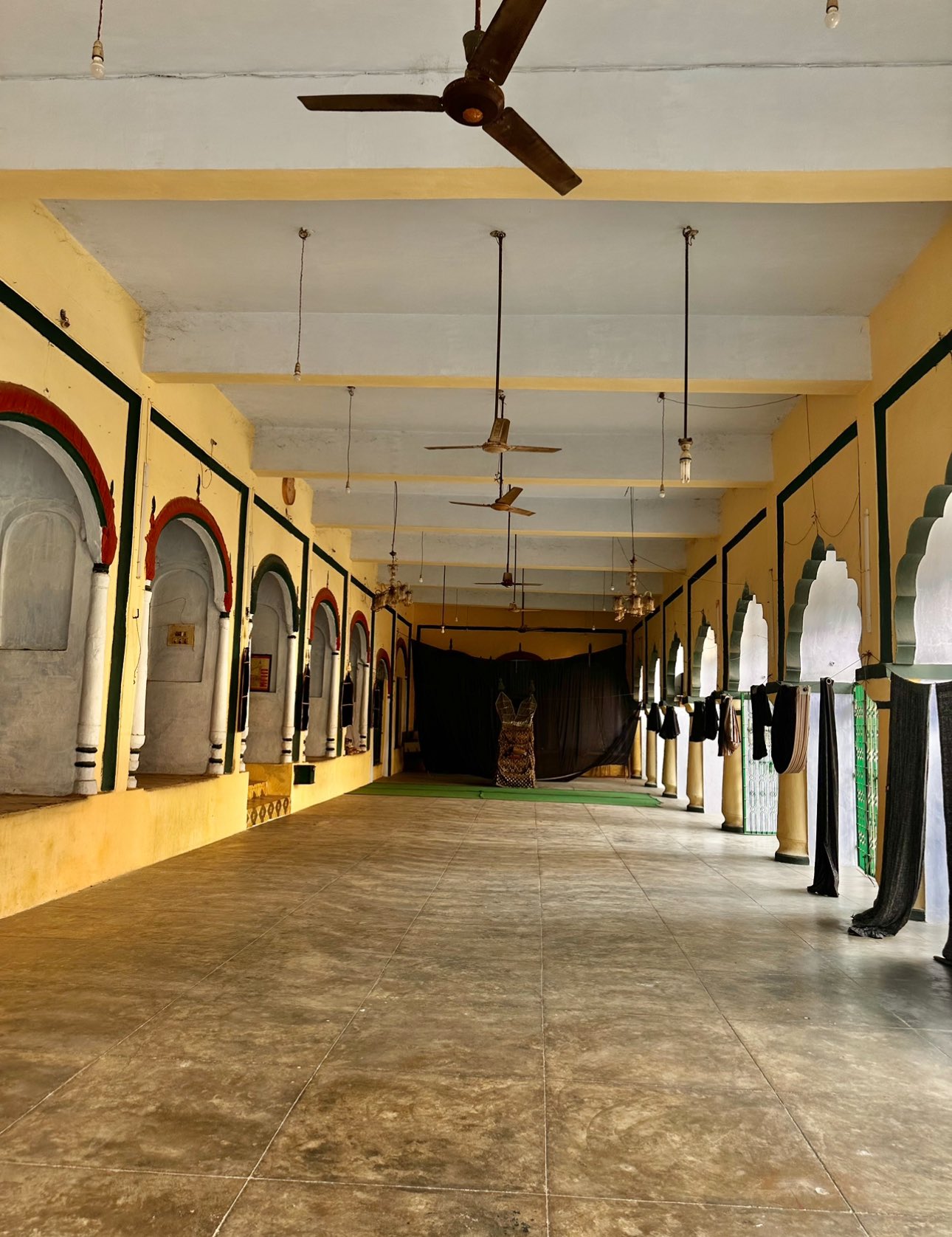
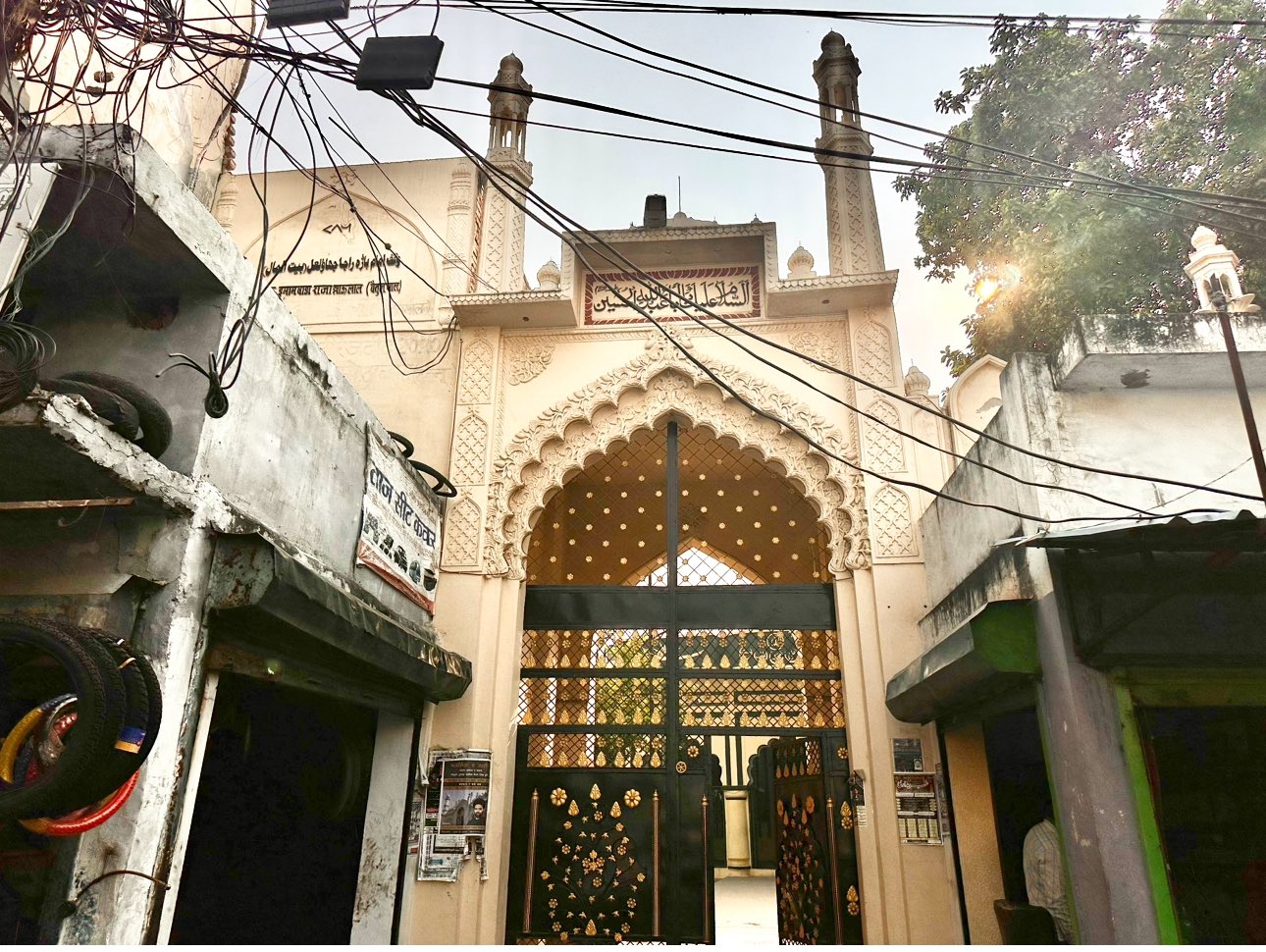
Imambara Raja Jhau Lal: A Hidden Gem of Lucknow?s Legacy Lucknow, a city steeped in history and rich with architectural wonders, is best known for its grandiose Imambaras?magnificent monuments that speak to the Nawabs' love for art, culture, and faith.
Lucknow, a city steeped in history and rich with architectural wonders, is best known for its grandiose Imambaras?magnificent monuments that speak to the Nawabs' love for art, culture, and faith. While many have heard of the iconic Bara Imambara and the charming Chota Imambara, there lies a quieter, yet equally significant, gem hidden in the heart of Thakurganj?the Imambara Raja Jhau Lal. This lesser-known marvel, built by Jhau Lal, a Hindu courtier and loyal minister to Nawab Asaf-ud-Daula, carries with it a story of unwavering devotion, loyalty, and an enduring connection between the Shia and Hindu communities of Lucknow. The Imambara of Raja Jhau Lal, also known as Baitul Maal, is a unique testament to a bond that transcends religious lines. Situated in the bustling lanes of Thakurganj, the Imambara, though somewhat reduced in size over the years, still resonates with the echoes of Muharram?s solemn rituals?marsiyas, nauhas, and the heartbreaking recounting of Karbala?s tragedy. As you walk through its grand yet intimate halls, you are transported back to the time when Jhau Lal, a member of the Kayasth family, rose to prominence as a favorite of Nawab Asaf-ud-Daula. Jhau Lal?s story is one of remarkable loyalty and courage, as recounted in Mukhoty?s The Lion & the Lily. Jhau Lal?s commitment to the Nawab, especially during trying times, was unparalleled. His bravery during the crossing of the Ghaghara River in 1796?a moment that saw him endure fierce rainstorms and dangerous waters for five days to ensure the safe passage of the Nawab?s cortege?left an indelible mark on Nawab Asaf-ud-Daula?s heart. This moment, among others, earned Jhau Lal the honorific title Maharaj and secured his place in the Nawab's closest circle. As you visit the Imambara, you?ll notice its architectural simplicity, a stark contrast to the more famous counterparts in Lucknow, but it holds a charm and serenity that makes it stand out. The remnants of its once-grand proportions still evoke awe. Though it may no longer be as expansive as it once was, during the month of Muharram, this place continues to fill with the mournful cries of matamdars (mourners), lamenting the martyrs of Karbala, and a palpable reverence fills the air. The Imambara's history is not just reflected in its structure but also in the enduring legacy of Jhau Lal?a man who not only bridged the gap between two communities but also demonstrated what it meant to serve with undying loyalty and devotion. His efforts, particularly his role in maintaining the Nawab?s trust and safeguarding the royal entourage, are still remembered today. Visiting Imambara Raja Jhau Lal offers more than just a glimpse into the past?it?s a journey through the life of a man whose devotion left an indelible mark on the history of Lucknow. It?s a place where you can feel the weight of history, the strength of loyalty, and the beauty of unity in diversity.
Year of Built: 17th CENTURY
Address: Imambara Raja Jhau Lal, Thakurganj, Lucknow, Uttar Pradesh, 226003
Country: India
State: Uttar Pradesh
District: Lucknow
Pincode: 226003
Longitude: 80.9462? E
Latitude: 26.8467? N