
Indo Islamic Heritage


.jpeg)
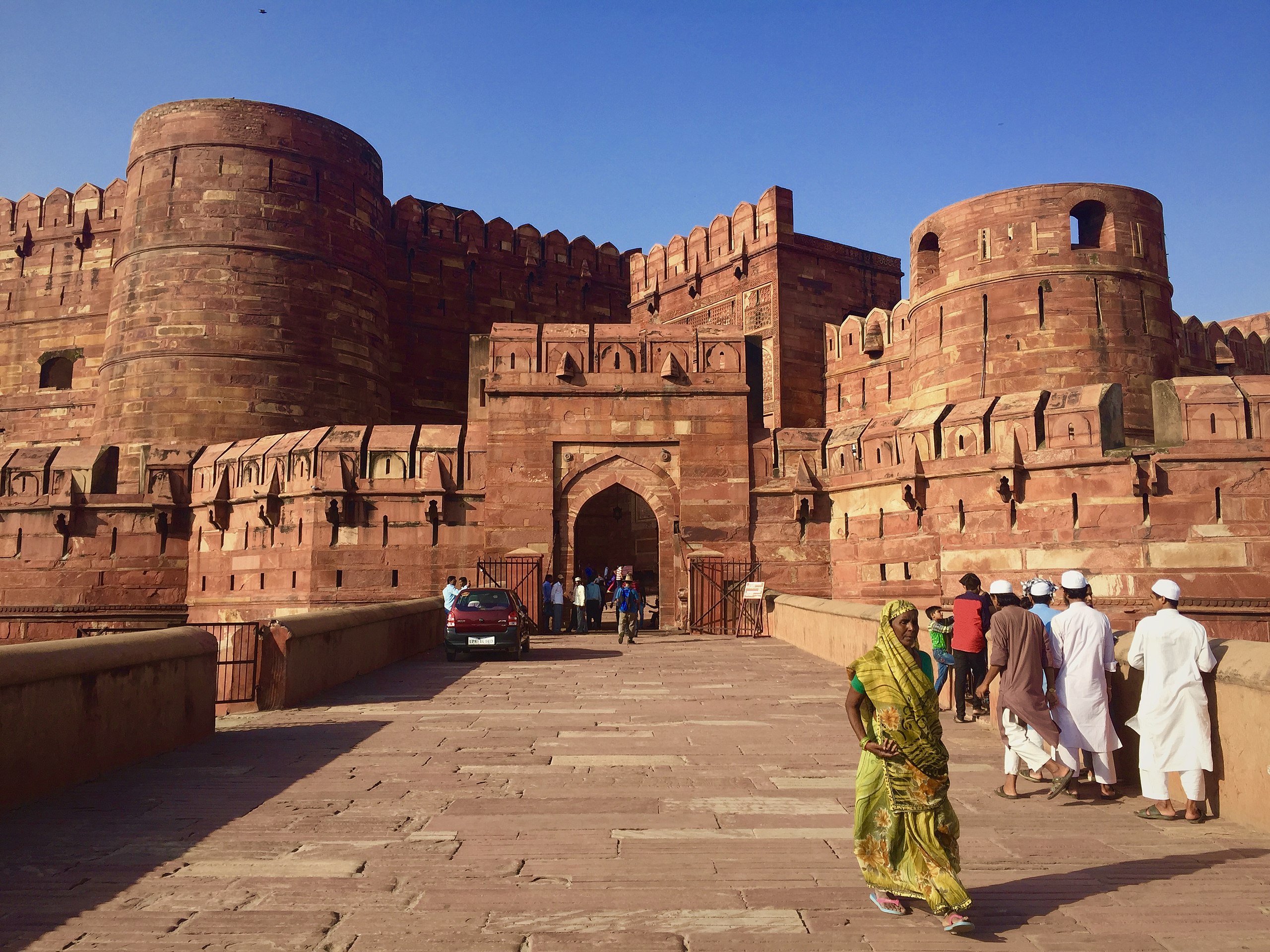
Amar Singh Gate of Agra: A Tribute to Bravery and Mughal Grandeur The Amar Singh Gate of Agra Fort is not only an architectural marvel but also a gateway steeped in fascinating history and heroic legacy. Nearest Bus Stop: Agra Fort Bus Stand (approx. 1 km) Nearest Railway Station: Agra Fort Railway Station (approx. 1 km) Nearest Metro Station: Not available as of now Nearest Airport: Pandit Deen Dayal Upadhyay Airport, Agra (approx. 9 km)
The Amar Singh Gate of Agra Fort is not only an architectural marvel but also a gateway steeped in fascinating history and heroic legacy. Located on the southern side of the fort, this impressive structure was originally known as Akbar Darwaza, reserved exclusively for the emperor Akbar and his entourage. However, it was later renamed in honor of Rao Amar Singh, a brave Jodhpur warrior, following a dramatic and heroic tale. Historical Legacy The gate's transformation from Akbar Darwaza to Amar Singh Gate is tied to a bold act of valor. According to legend, Rao Amar Singh killed Salabat Khan, the chief treasurer of Emperor Shah Jahan, in front of the emperor in a dramatic show of courage. Afterward, he made a daring escape, leaping his horse over the high walls of the fort. Tragically, the horse perished in the jump, and Amar Singh was arrested and executed. Despite this, Shah Jahan was so impressed by his bravery that he renamed the gate in Amar Singh's honor. To commemorate his valor, a red sandstone statue of Amar Singh?s horse was erected at the exact spot where the warrior met his end. Architectural Features The Amar Singh Gate shares architectural similarities with the Delhi Gate of Agra Fort, as it was also designed with security and defense in mind. Its features include: Drawbridge and Moat: Much like the Delhi Gate, the Amar Singh Gate is flanked by a drawbridge crossing over the moat, providing an added layer of defense for the fort. Entrance Diversions: The entrance includes strategically placed dangerous diversions designed to hinder any enemy attack. Ramp and Bastions: The entrance is approached via a high brick-paved ramp, leading to two octagonal towers that stand on either side of the gate, enhancing its defensive strength. While the gate?s bastions may not be as intricately decorated as some other structures in Agra Fort, it still boasts unique design elements. The lower portions of the bastions are adorned with multi-colored glazed tiles in shades of yellow, green, blue, and white, adding vibrant beauty to the structure. The upper panels of the bastions remain plain, creating a stark contrast with the decorated lower sections. Naubat Khana: A major feature of the gate is the Naubat Khana?the drum house?which stands as the most imposing structure at this entrance. It is surrounded by pillared pavilions, creating a majestic and expansive space. Chhatris and Cupolas: The bastions are crowned by piered chhatris, or pavilions, each featuring a domed cupola and an inverted lotus motif. Traces suggest that these cupolas were once covered in glazed tiles, adding to the gate?s decorative splendor. Significance Though less ornate than other parts of the fort, the Amar Singh Gate's simplicity enhances its imposing presence and highlights the importance of security in Mughal architecture. The gate serves as a tribute to both the warrior spirit of Amar Singh and the strategic prowess of the Mughal Empire. Conclusion The Amar Singh Gate is a fascinating blend of military architecture and historical significance, marking the courage of a warrior who, despite his tragic end, earned a place in the annals of history. While its decorative features may be simpler compared to other structures in Agra Fort, the gate?s grandeur lies in its historical context and strategic importance. For visitors, it remains a reminder of the Mughal Empire's military strength, the bravery of Rao Amar Singh, and the enduring legacy of the fort
Year of Built: 1568-1569 A.D
Address: Agra Fort, Rakabganj, Agra, Uttar Pradesh 282003
Country: India
State: Uttar Pradesh
District: Agra
Pincode: 282003
Longitude: 78.0183? E
Latitude: 27.1746? N