
Indo Islamic Heritage


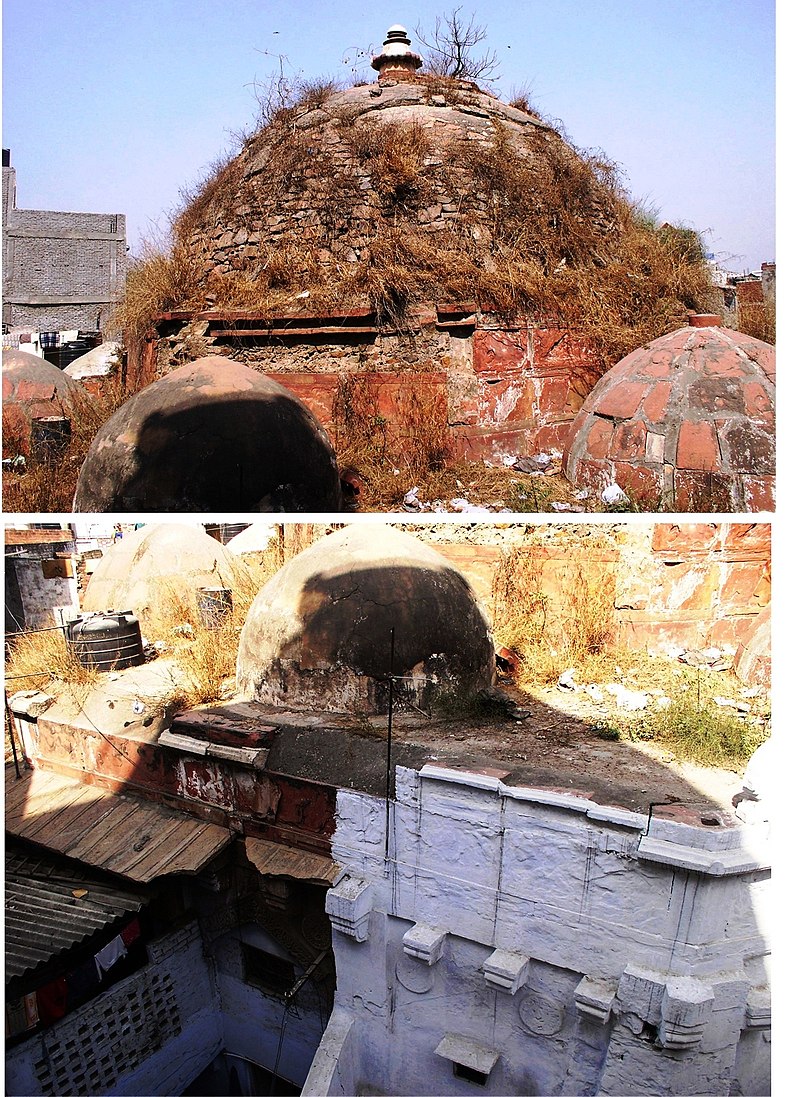
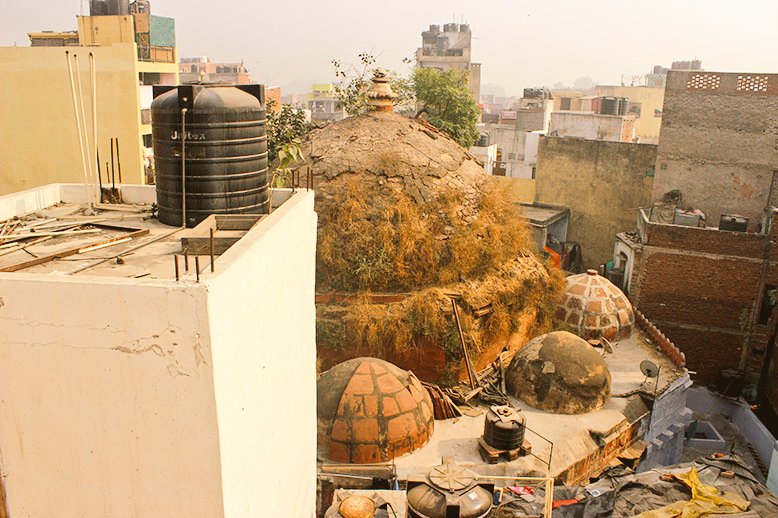
Built in 1388 by Junan Shah, the son of Malik Maqbul, this tomb holds the distinction of being the first octagonal mausoleum in Delhi. Its design marked a significant architectural evolution in the Indian subcontinent, with the only earlier octagonal mausoleum being the Tomb of Shah Rukn-i Alam in Multan. This innovation in Delhi's architecture reflected the synthesis of Persian and Indian influences that characterized the period, setting a precedent for later structures in the region. The tomb's octagonal plan, with its central chamber and surrounding veranda, symbolized both structural ingenuity and a refined aesthetic that would resonate in the architectural heritage of the Sultanate.The Nearest Bus Stand - Nizamuddin The Nearest Metro Station - Nizamuddin , Nearest Railway Station- Nizamuddin Railway Station Nearest Airport- IGI
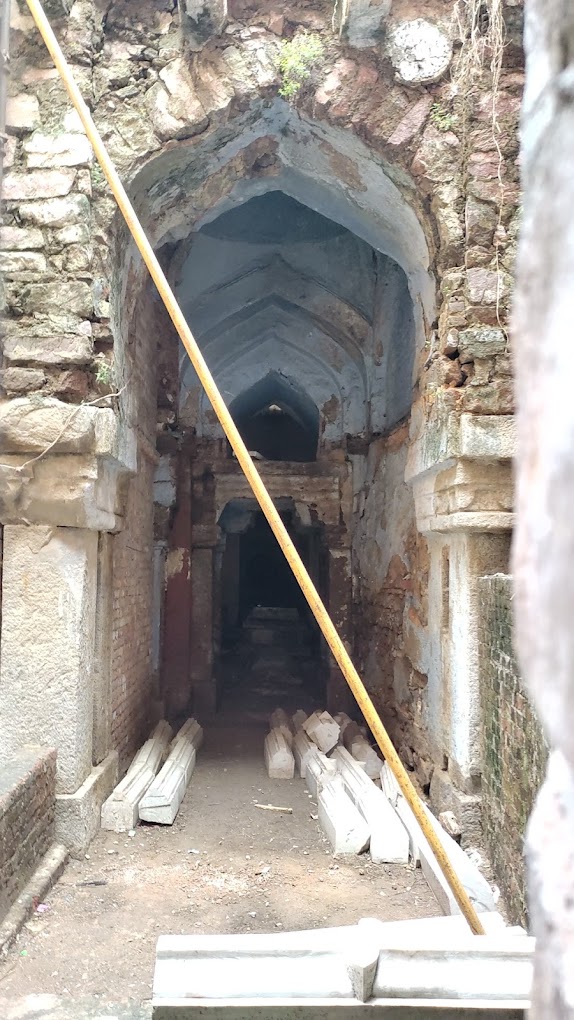
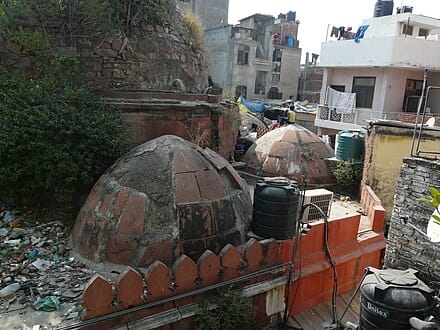
Malik Maqbul, also known as Khan-i-Jahan Maqbul Tilangani, was a distinguished commander in the Kakatiya Empire who converted to Islam and rose to prominence in the Delhi Sultanate under Firuz Shah Tughlaq. Initially serving as the governor of Multan and later Cambay, where he encountered the Moroccan traveler Ibn Battuta, Maqbul gained the trust of Muhammad bin Tughluq and played a key role in subduing rebels in Gujarat. His competence and loyalty earned him the position of Wazir, or prime minister, under Firuz Shah Tughlaq. As Wazir, Maqbul was instrumental in managing the fiscal and administrative affairs of the sultanate, demonstrating both efficiency and integrity. Despite his immense power and influence, he maintained a delicate balance, keeping the Sultan informed and adhering to checks imposed by other high-ranking officials. Firuz Shah entrusted Maqbul with protecting Delhi during his absence and even referred to him as a "brother." Upon Maqbul's death in 1369, his son Jauna Khan succeeded him as Wazir but failed in the ensuing succession conflict and was ultimately executed. The legacy of Malik Maqbul is immortalized in his tomb, built by his son Jauna Khan in 1388, which stands as the first octagonal mausoleum in Delhi. Located in Nizamuddin West, the tomb exhibits a unique architectural plan, with a central octagonal burial chamber surrounded by a larger octagonal veranda. Its design includes three arched openings on each side, a prominent dome crowning the central chamber, and intricate crenellations and stone overhangs (chhajja) that adorn the parapet. The structure also features a mihrab set into the west wall, a stairwell leading to an underground crypt, and a centrally placed sarcophagus within the chamber. Despite its historical and architectural significance, the tomb is currently in a state of disrepair, reflecting the neglect of Delhi's rich medieval heritage.
Year of Built: 14th Century
Address: Nizamuddin, Nizammudin West Slum, Nizamuddin West, New Delhi,
Country: India
State: Delhi
District: South East Delhi
Pincode: 110013
Longitude: 77.2534 E
Latitude: 28.5889 N