
Indo Islamic Heritage


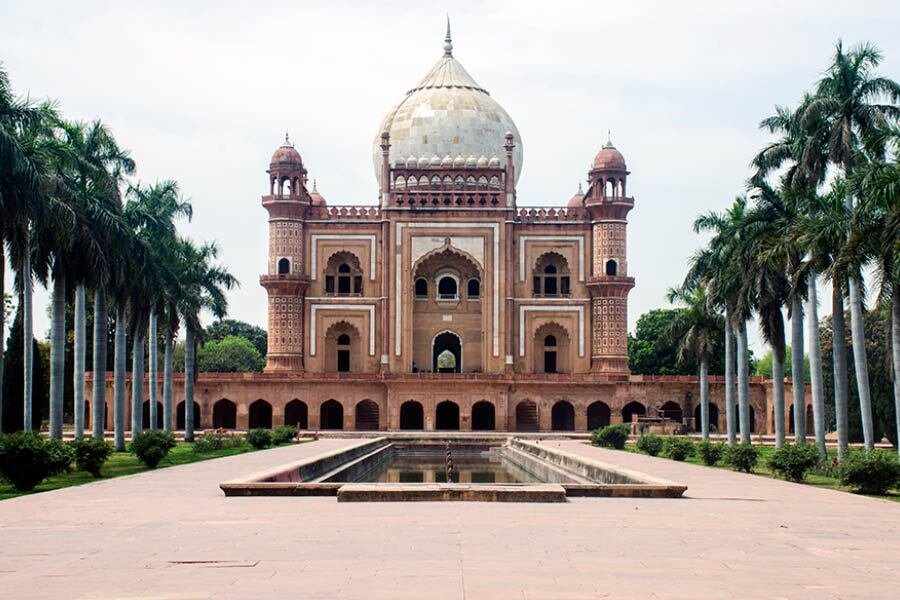
The Safdarjung Tomb, built in 1754 by Nawab Shujaud Daula, is indeed the last garden tomb of the Mughal era. It represents the culmination of a style of tomb architecture that began with the tomb of Humayun in 1565, which introduced the garden tomb concept. This architectural style, combining a large central tomb with surrounding gardens, became a hallmark of Mughal design, seen in many other tombs, including the famous Taj Mahal. However, the Safdarjung Tomb marked the end of this trend.The Nearest Bus Stand- Jorbagh The Nearest Metro Station - Jorbagh , Nearest Railway Station- New Delhi Railway Station Nearest Airport- IGI
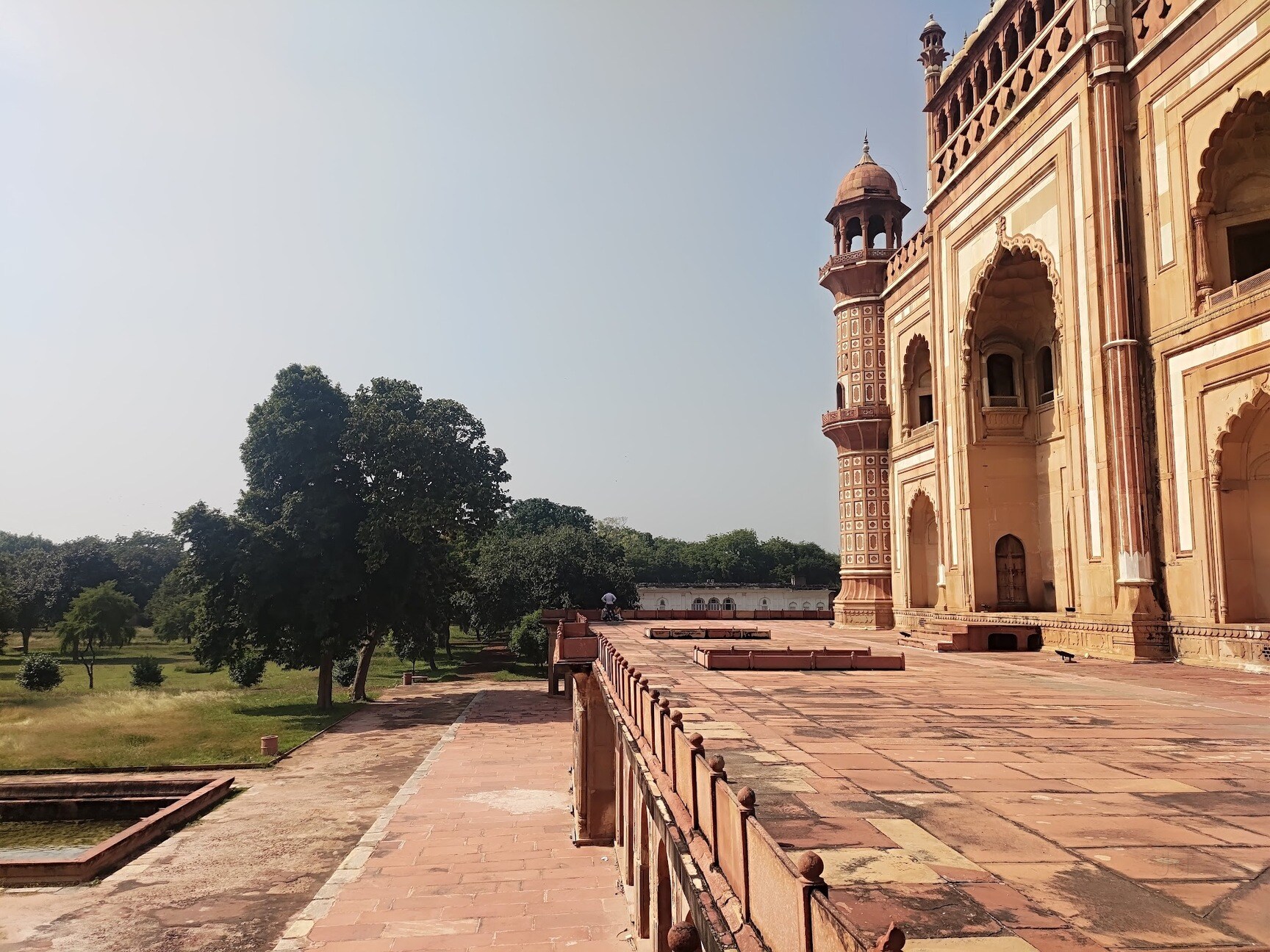
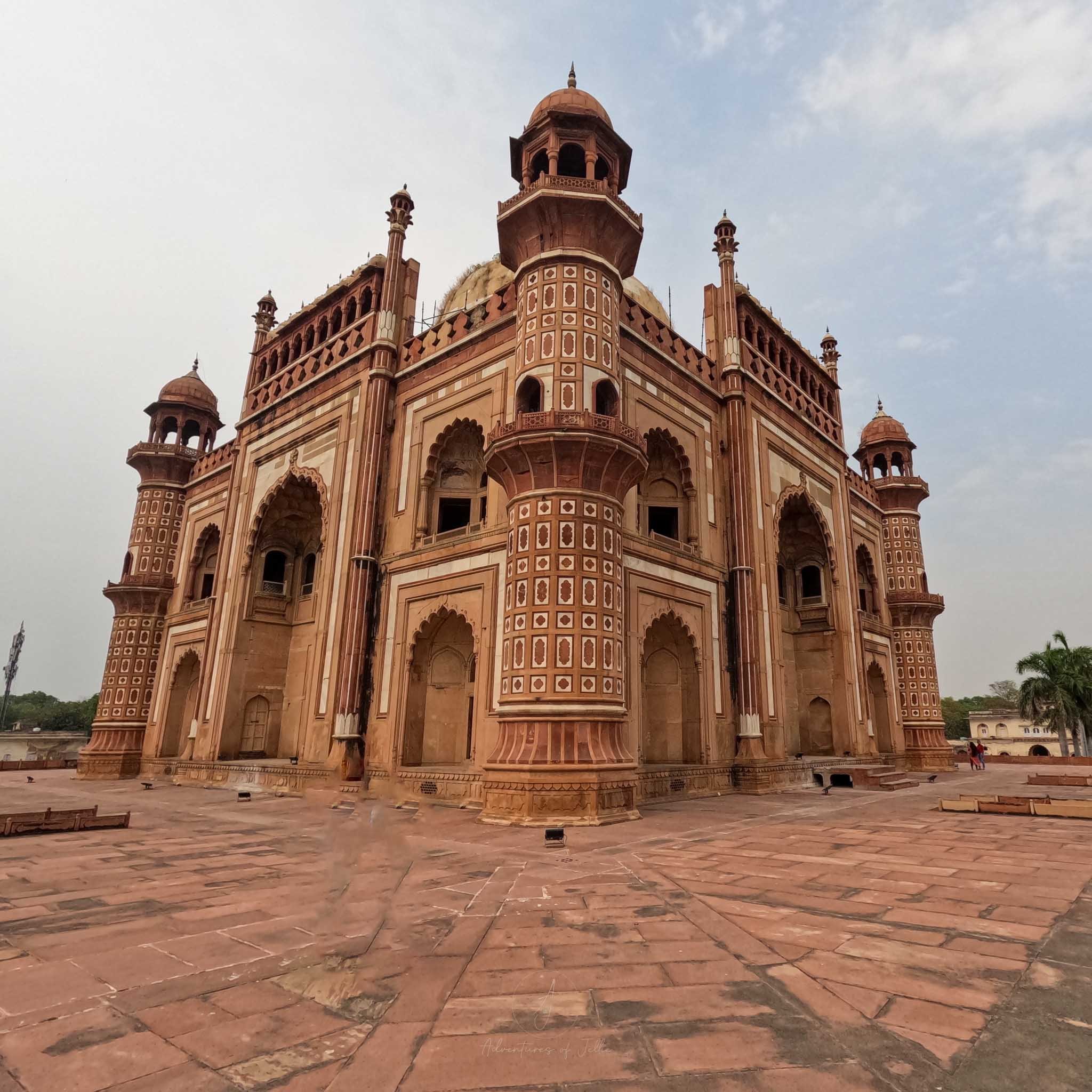
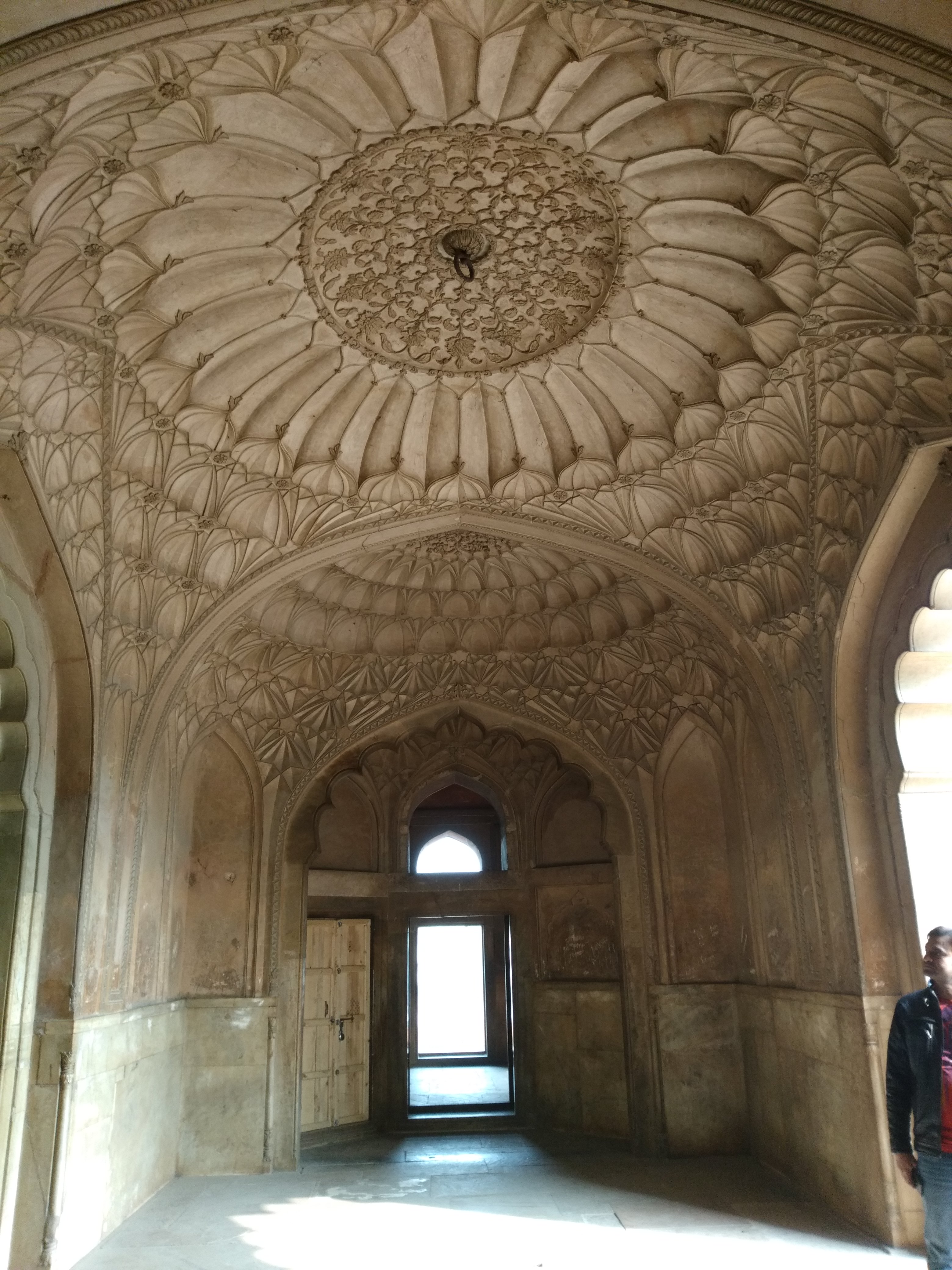
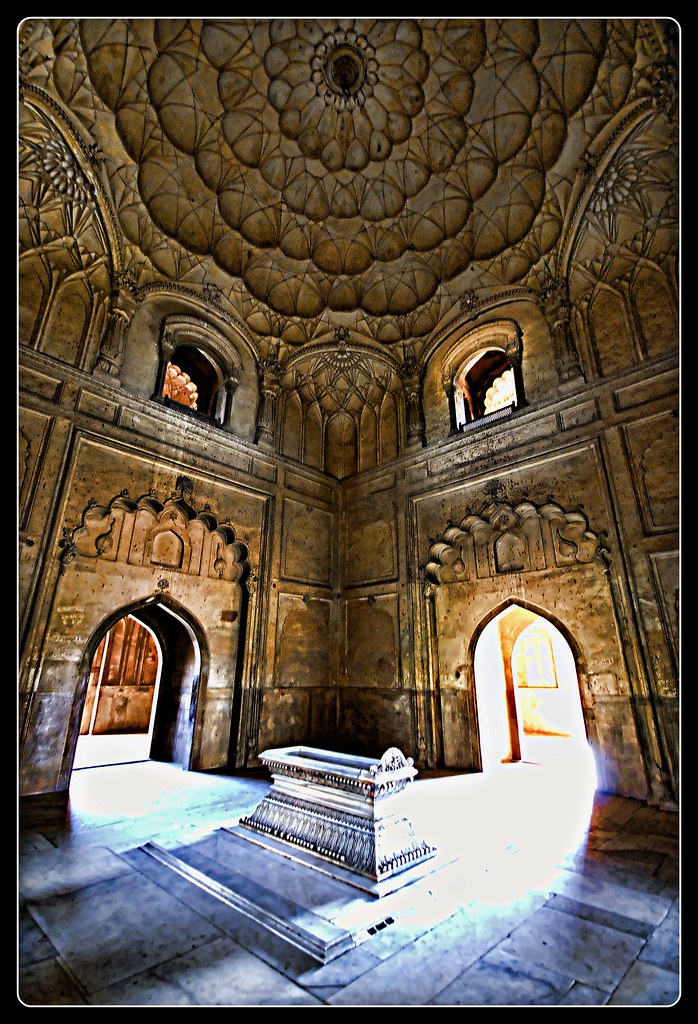
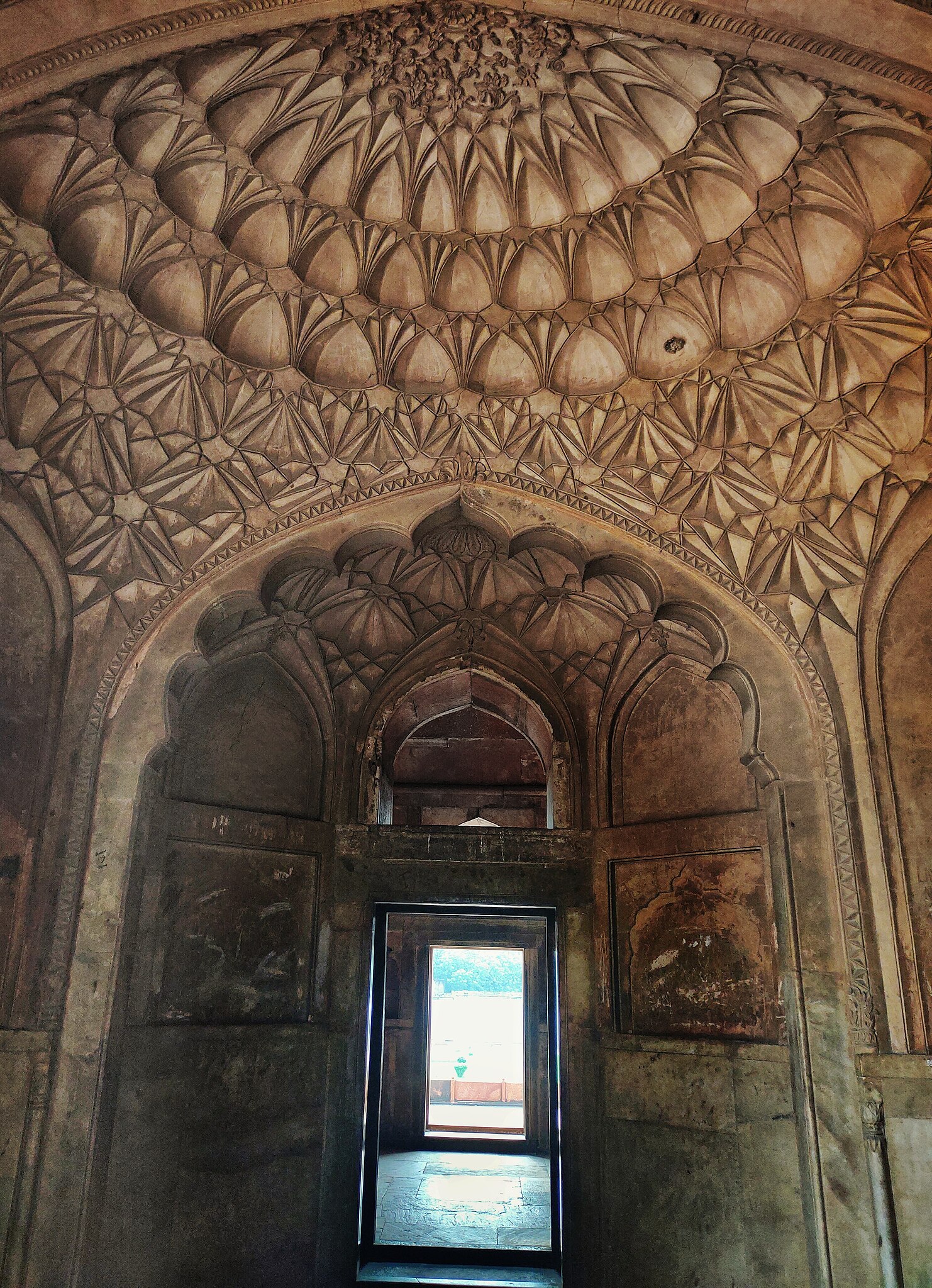
Safdarjung's Tomb, located in Delhi, India, is a grand mausoleum built in 1754 for Nawab Safdarjung of Oudh. The tomb is a remarkable example of late Mughal architecture, showcasing elements such as domes, arches, and a mix of sandstone and marble, contributing to its imposing presence. Safdarjung, who was made the Prime Minister of the Mughal Empire in 1748, ruled over Awadh and was known for his wealth and power. His influence diminished following the death of Emperor Muhammad Shah, and Safdarjung was eventually driven out of Delhi by the Marathas in 1753, dying shortly thereafter. Following his death, his son, Nawab Shujaud Daula, sought permission from the Mughal Emperor to build a tomb for his father, resulting in the creation of Safdarjung's Tomb. The design was influenced by earlier Mughal tombs, such as the Taj Mahal, featuring an enclosed garden, the Char Bagh layout, and a central mausoleum surrounded by symmetrical pathways and water tanks. The tomb's garden follows the Mughal "charbagh" style, with a central water channel leading from the entrance to the main mausoleum. The mausoleum itself is a square structure with a large dome at the center, built over a high platform, with towers at each corner. Its interior contains eight chambers around the central chamber, with ornate plasterwork and a cenotaph in the middle. The tomb's architecture, while impressive, has been criticized for its lack of symmetry and the use of lower-quality materials, especially in comparison to earlier Mughal monuments like the Taj Mahal. The tomb's complex also includes several pavilions, such as Jangli Mahal (Palace in the Forest), Moti Mahal (Pearl Palace), and Badshah Pasand (King's Favorite), which were once used by Safdarjung's family. Today, the tomb and its surroundings are managed by the Archaeological Survey of India (ASI), housing offices and a library within the pavilions. In summary, Safdarjung's Tomb stands as a testament to the fading grandeur of the Mughal Empire, with its architectural and historical significance still drawing visitors today.
Year of Built: 18th Century
Address: Airforce Golf Course, Delhi Race Club, New Delhi, Delhi 110003
Country: India
State: Delhi
District: Central Delhi
Pincode: 110003
Longitude: 77.2106? E
Latitude: 28.5893? N