
Indo Islamic Heritage


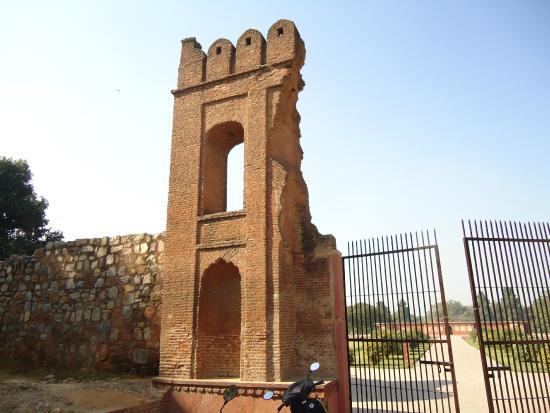
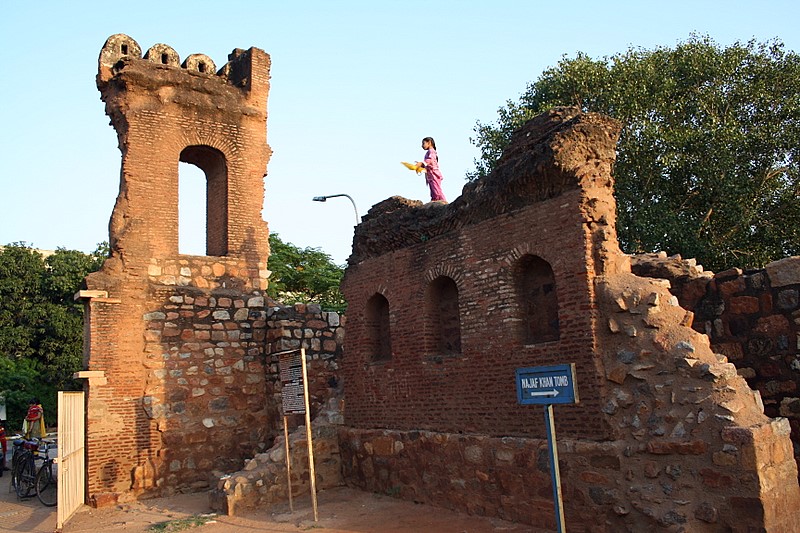
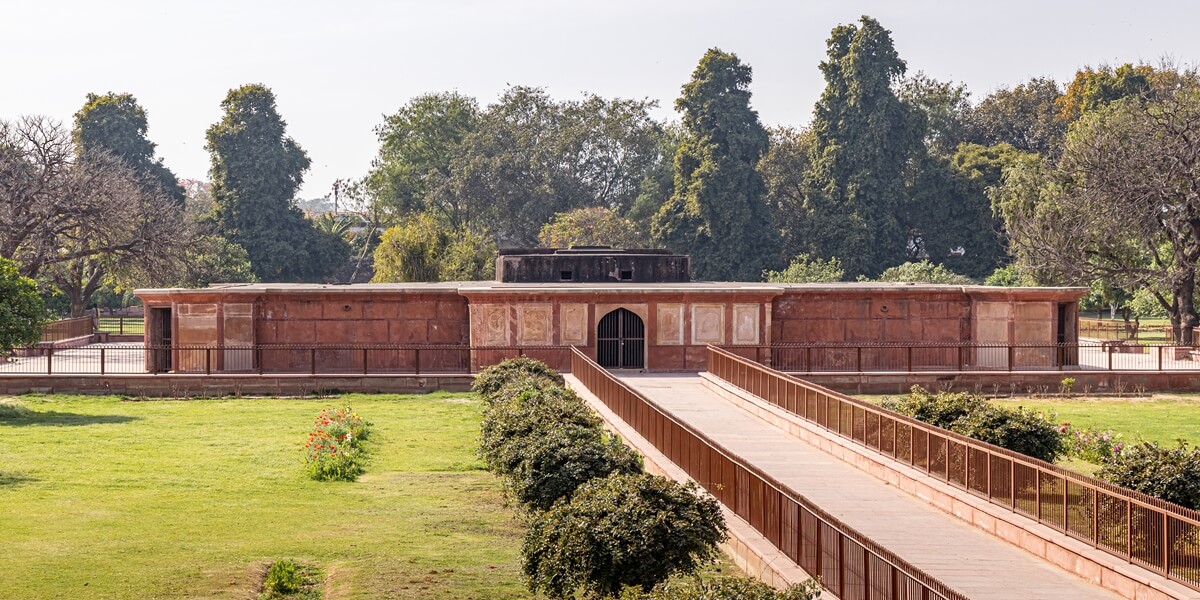
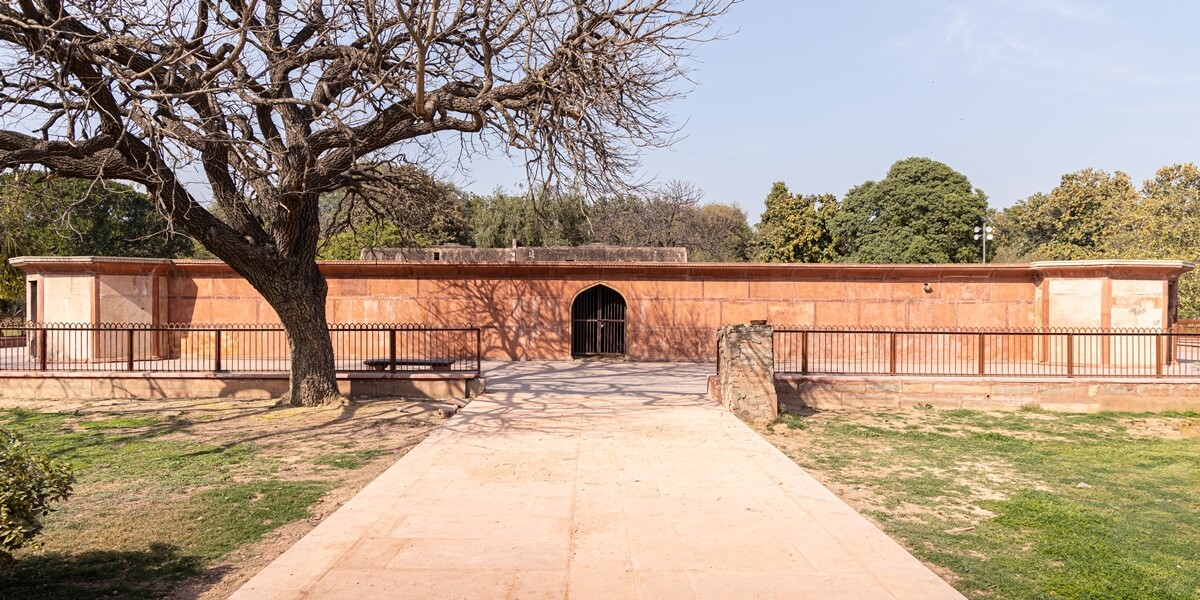
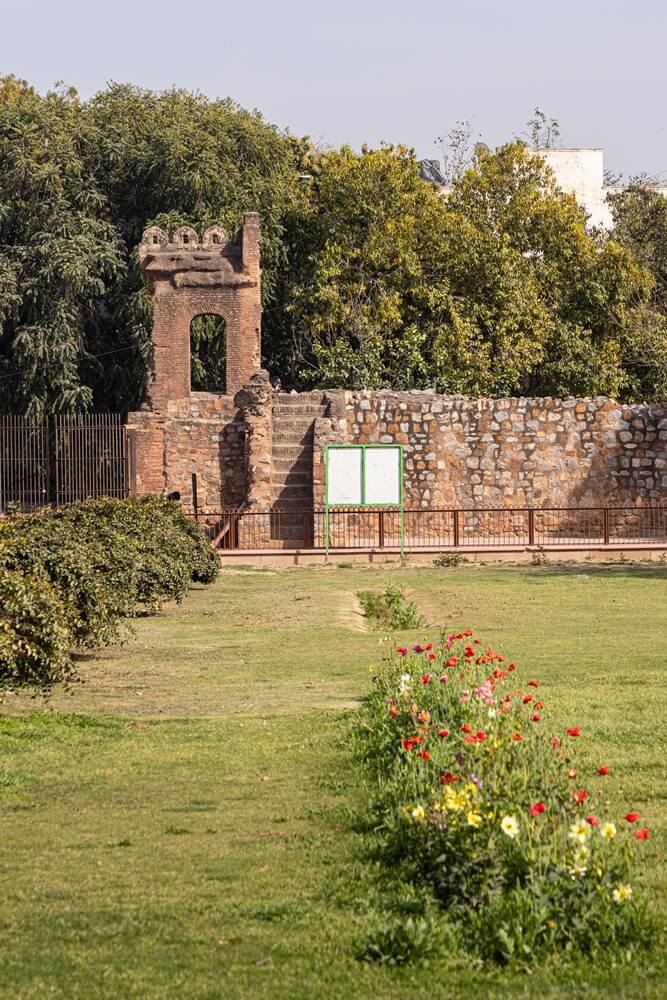
The Najaf Khan Tomb is located in Mehrauli, New Delhi, India. It is the tomb of Najaf Khan, a prominent Persian noble and military officer in the Mughal Empire. He served under Emperor Shah Alam II and was known for his contributions in both administrative and military roles.The Nearest Bus Stand- Jorbagh, The Nearest Metro Station - Jorbagh, Nearest Railway Station- New Delhi Railway Station Nearest Airport- IGI
Mirza Najaf Khan Bahādur, born in 1723, hailed from a distinguished Safavid lineage in Iran. He moved to Delhi around 1740, after Nader Shah displaced the Safavid dynasty in 1736. His arrival in the Mughal capital marked the beginning of a significant career. He quickly rose to prominence in the Mughal court, where he became a loyal courtier of Emperor Shah Alam II. His marriage alliances and strategic maneuvers played a crucial role in his ascent within Mughal politics. Military Career and Success Mirza Najaf Khan was known for his exceptional military prowess and strategic acumen. He became one of the most respected commanders of the Mughal army, surpassing his predecessor, Najib ad-Dawlah. His leadership in the Battle of Buxar cemented his reputation as a capable military leader. He served as the highest commander of the Mughal forces from 1772 until his death in 1782. His familiarity with European military tactics made him an even more formidable figure on the battlefield. He is also remembered for his successful campaigns, which contributed to the Mughal emperor?s authority during a time of decline. Personal Life and Family Mirza Najaf Khan?s personal life was intertwined with political alliances. His marriage of his sister into the family of the Shia Nawab of Awadh elevated his status within the Mughal empire, earning him the title of Deputy Wazir of Awadh. Despite his prominence, his family life was marked by controversy after his death. With no biological heirs, his widow sought to have her adopted son, Saif Ud Daula Nawab Najaf Quli Khan, succeed him as Deputy Wazir. However, this claim was challenged by Mirza Shafi Khan, who had significant political and military support. Rivalries and Court Intrigue Throughout his career, Mirza Najaf Khan faced intense rivalries at the Mughal court. One of his most significant adversaries was Nawab Majad-ud-Daulah, who frequently used the Sikh misls to disrupt the stability of the Mughal forces and keep Najaf Khan occupied. Additionally, courtly intrigue involving figures like Abdul Ahad Khan and rumors about his personal life further strained his relationship with Emperor Shah Alam II. Despite these challenges, Najaf Khan?s loyalty to the Mughal throne remained steadfast, and by the time of his death, the relationship with the emperor had been reconciled. Decline and Illness Mirza Najaf Khan?s health began to deteriorate in 1779, after he was appointed Vakil-i-Mutlaq, or regent, of the Mughals. His declining health was marked by fever and prolonged illness. There were rumors circulating in the court about his relationship with the eunuch Latafat Ali Khan, and claims that his indulgence in wine and the company of a prostitute contributed to his weakening condition. However, in reality, Najaf Khan suffered from a long, painful illness, characterized by fever, weakness, and blood-spitting. His illness eventually led to his death in April 1782, after over 40 years of service to the Mughal empire. The Tomb of Mirza Najaf Khan Mirza Najaf Khan?s tomb, located near Safdarjung Airport in Delhi, is an incomplete structure set in a lush, landscaped garden. The tomb complex is enclosed within a boundary, with a beautifully ruined entrance leading to the central area. At the heart of the complex lies a large red stone platform with a smaller platform on top. This structure, which lacks a dome, houses the cenotaphs of Mirza Najaf Khan and his daughter, Fatima, who died in 1820. The tomb remains a significant historical site, commemorating the life of a prominent military leader and courtier of the Mughal era.
Year of Built: 18th Century
Address: Lodi Estate, Block G, Police Colony, Lodi Colony, New Delhi,
Country: India
State: Delhi
District: South West Delhi
Pincode: 1100043
Longitude: 76.9855? E
Latitude: 28.6090? N