
Indo Islamic Heritage


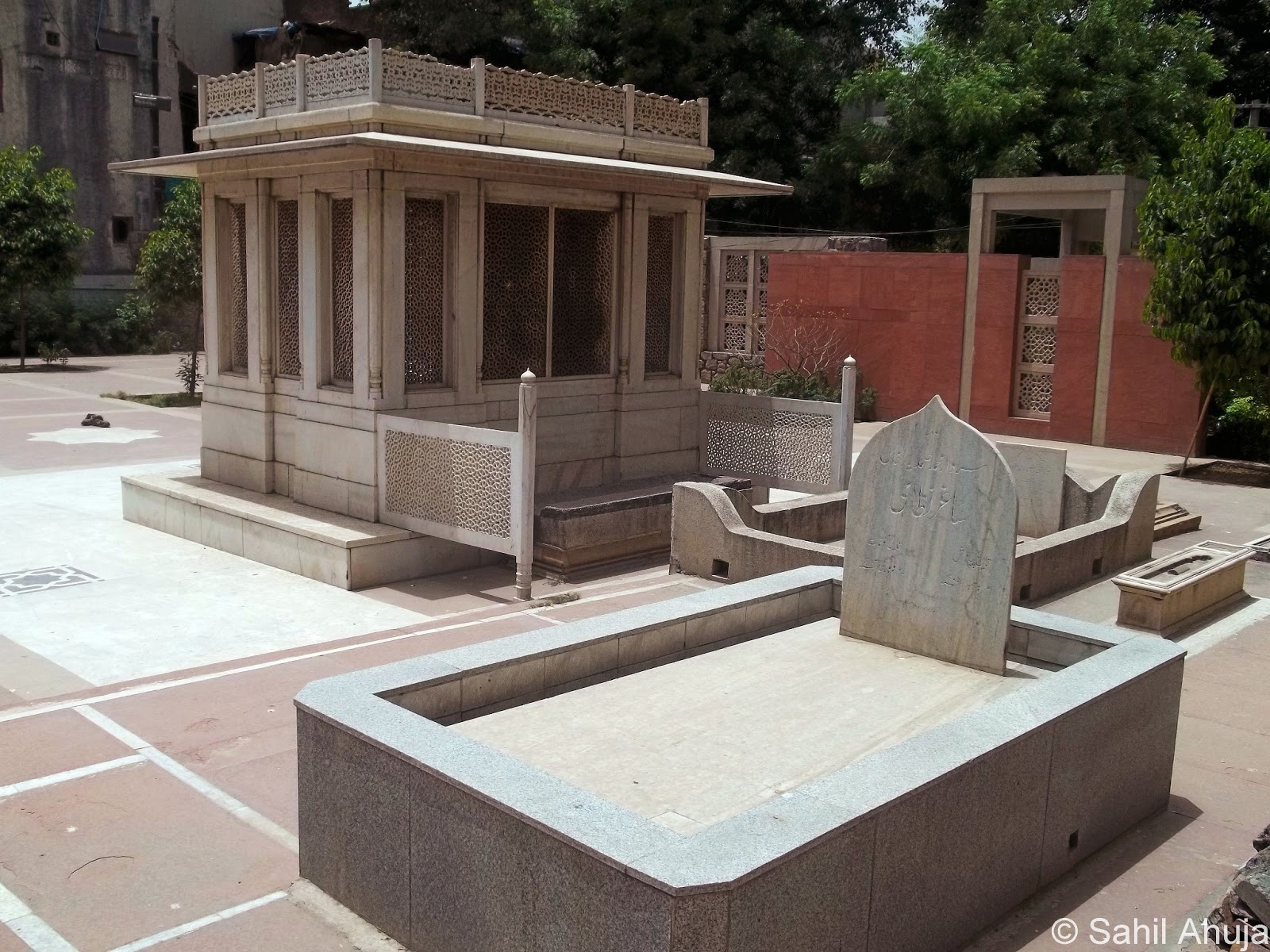
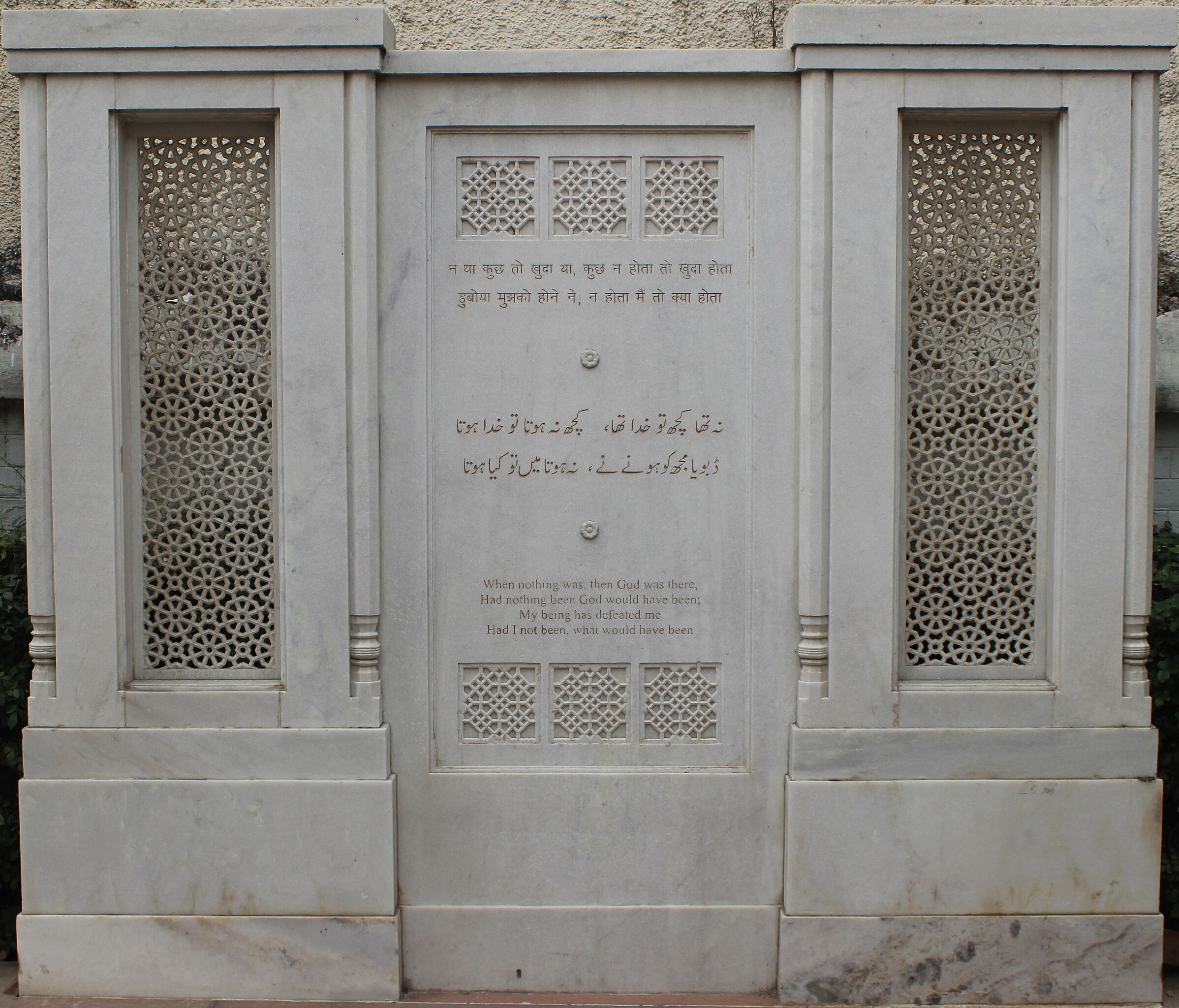
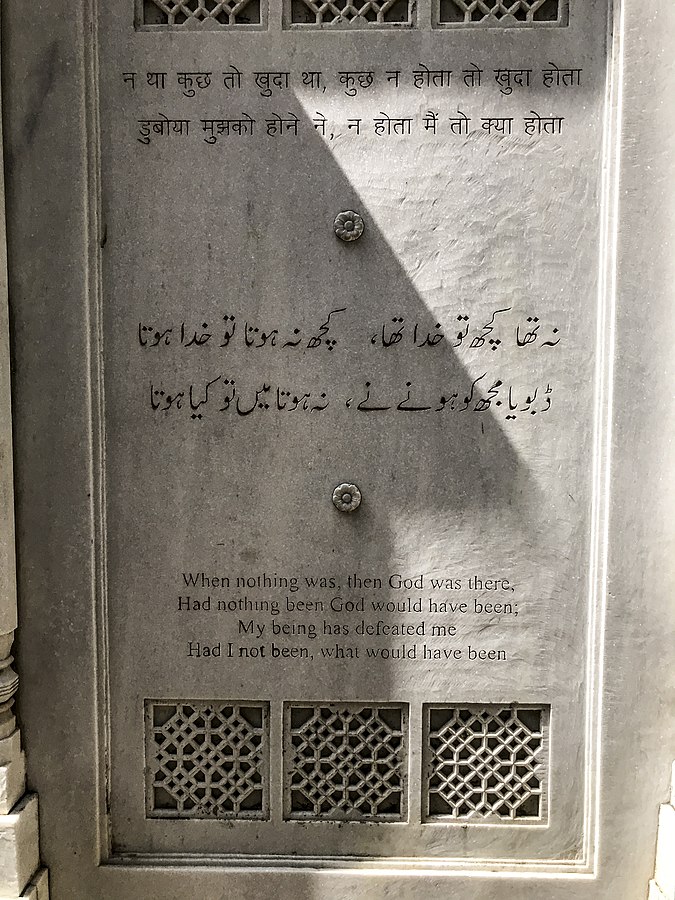
Mazar-e-Mirza Asad Ullah Khan Ghalib, located in the heart of Delhi, India, is the tomb of Mirza Ghalib, one of the most iconic figures in Urdu and Persian literature. The mausoleum is an important site for those who admire Ghalib's poetry and contributions to the literary world. It stands as a testament to his enduring influence, drawing visitors from around the world, including literature enthusiasts, poets, and tourists. The tomb is not just a place of historical significance but also a cultural landmark that reflects the rich literary heritage of Delhi. Ghalib's poetry, known for its depth, emotional richness, and mastery of language, continues to inspire generations, making his final resting place a popular pilgrimage for poetry lovers.The Nearest Bus Stand- Police Station Nizamuddin (Dargah), 3 min walk, The Nearest Metro Station -Jawahar Lal Nehru Stadium, 16 min walk, Nearest Railway Station- Hazrat Nizamuddin Railway Station Nearest Airport- IGI
Mirza Asadullah Baig Khan, known as Mirza Ghalib, was one of the most influential poets in the Indian subcontinent. Born in Agra in 1797, he lived during a time of immense social, political, and cultural change, marked by the decline of the Mughal Empire and the rise of British colonialism. His poetry, written predominantly in Urdu but also in Persian, reflects the tumultuous period of his life, exploring themes of love, sorrow, philosophy, and the human condition. Ghalib's literary work transcends the traditional confines of the ghazal form. While his early works were rooted in expressions of romantic love, he expanded the ghazal to include deeper reflections on life, its struggles, and its mysteries. He also wrote extensively in Persian, although his fame rests largely on his Urdu poetry. His life was marked by personal tragedy, with the loss of his parents and children. His marriage, arranged at a young age, was less than ideal, and he often expressed a sense of entrapment in his personal life. Despite these hardships, Ghalib's wit and humor shone through in his letters, which were as famous for their conversational style as his poetry. Ghalib's relationship with British colonialism was complex. His pension was suspended by the British after the Indian Rebellion of 1857, leading him to travel to Calcutta (now Kolkata) to appeal for its restoration. This visit significantly impacted his literary work, expanding his poetic horizons and influencing his later writings. In addition to his poetry, Ghalib's letters are highly regarded for their literary value. They are written in a much more informal, conversational style compared to the ornate prose that preceded him. Through his letters, Ghalib is credited with shaping modern Urdu prose. Ghalib's tomb, located in the Nizamuddin area of Delhi, remains an iconic symbol of his legacy. His work continues to inspire generations, not only in India and Pakistan but among the global Hindustani diaspora. His poetry, deeply embedded in the cultural and intellectual fabric of his time, continues to resonate for its profound insights into life, love, and loss. مزے جہان کے اپنی نظر میں خاک نہیں سواے خون جگر سو جگر میں خاک نہیں The happiness of the world is nothing for me for my heart is left with no feeling besides blood
Year of Built: 18th Century
Address: Nizamuddin West, New Delhi, Delhi
Country: India
State: Delhi
District: South Delhi
Pincode: 110013
Longitude: 77.24305
Latitude: 28.59128