
Indo Islamic Heritage


Nearest Bus Stand - Nizamuddin Nearest Railway Station - Nizamuddin Railway Station Nearest Metro Station - Nizamuddin Nearest Airport - IGI
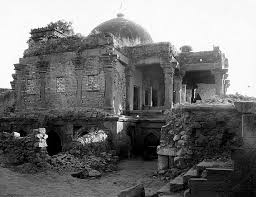
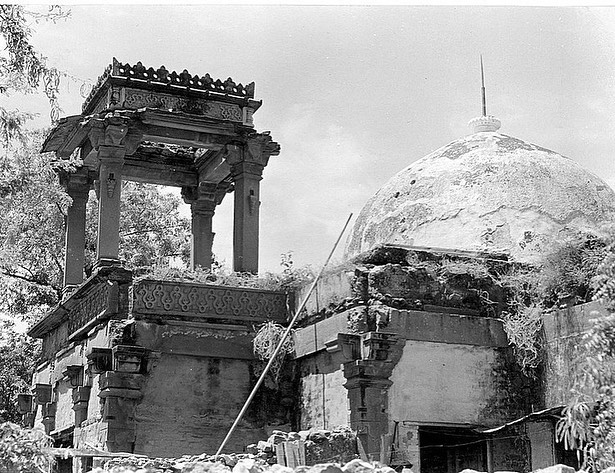
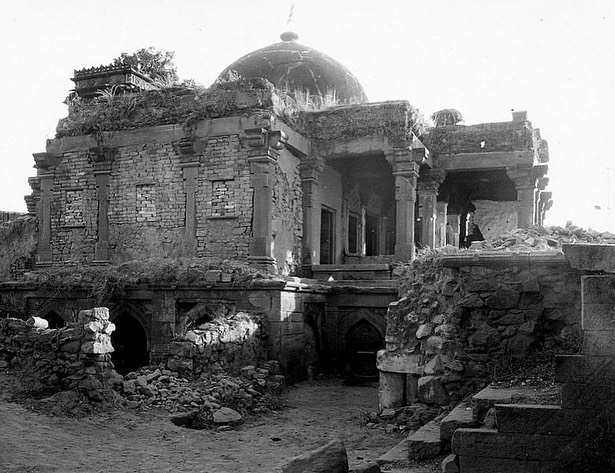
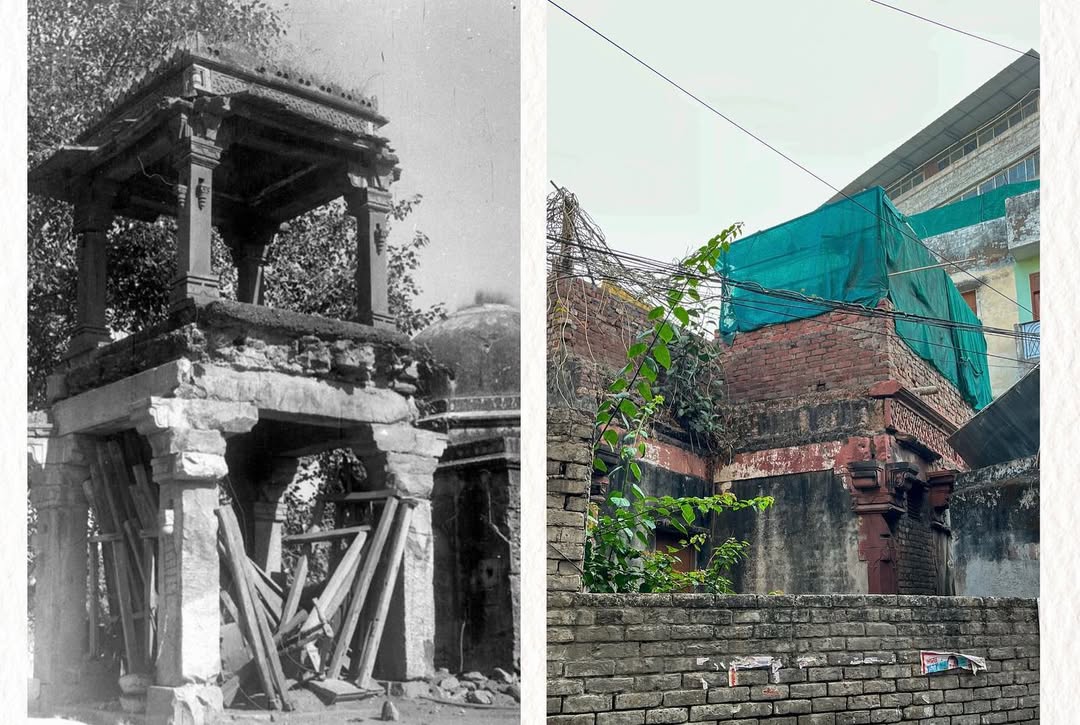
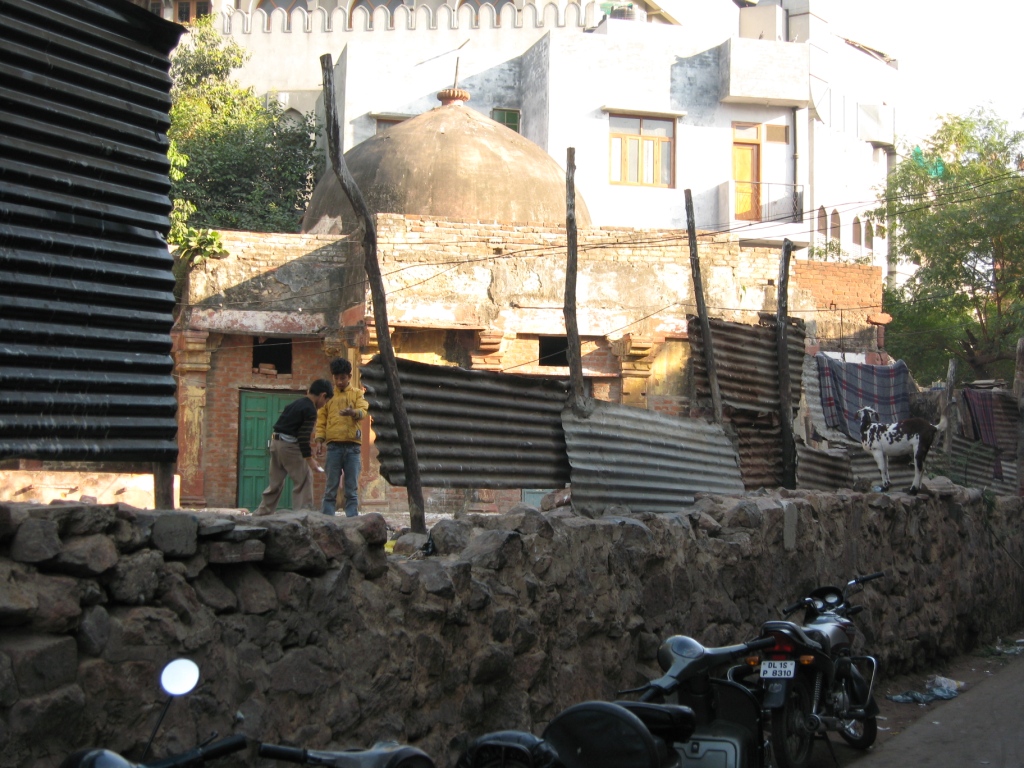
Lal Mahal—also known as Kushak-i-Lal—stood as a remarkable testament to early Indo-Islamic architecture in Delhi. Erected in 1245 AD during the reign of Sultan Nasiruddin Mahmud Shah of the Slave Dynasty, it was commissioned by Ghiyasuddin Balban at a time when he held the title of Naib-e-Mamlakat, long before he ascended the throne in 1266 AD. Constructed from the same red sandstone that would later define Mughal monuments, Lal Mahal likely served as a royal retreat or administrative pavilion. Its design featured elegant arched portals, intricately carved Islamic motifs, and graceful chhatris (domed kiosks), all hallmarks of the early Indo-Persian style that characterized Delhi’s Sultanate period. Over the centuries, Lal Mahal acquired layers of historical resonance. It was famous enough to host the celebrated Moroccan traveler Ibn Battuta during his mid-14th-century visit under Muhammad bin Tughlaq, making it one of the rare surviving secular buildings from an era when most preserved structures were religious in nature. Recognized by both government and civic agencies as a protected heritage site, the Mahal nonetheless fell victim to chronic neglect and the relentless pressures of urban development. In June 2024, private builders began demolishing key elements of its distinctive red-sandstone façade and ornate chhatris to clear the way for a modern high-rise. By the time the Archaeological Survey of India filed an FIR with Nizamuddin Police, the damage was already irreversible. The partial destruction of Lal Mahal represents more than the loss of a historic structure—it marks the erasure of a tangible link to Delhi’s formative centuries under the Sultanate. Had conservation efforts been more robust, the Mahal might have offered invaluable insights into the early phases of Indo-Islamic architecture and served as an educational and cultural landmark. Instead, its fading memory serves as a stark reminder of the fragile balance between preserving our past and accommodating the needs of a rapidly changing city.
Year of Built: 13th Century
Address: Basti Nizamuddin
Country: India
State: Delhi
District: South Delhi
Pincode: 110013
Longitude: 77.242887
Latitude: 28.591968