
Indo Islamic Heritage


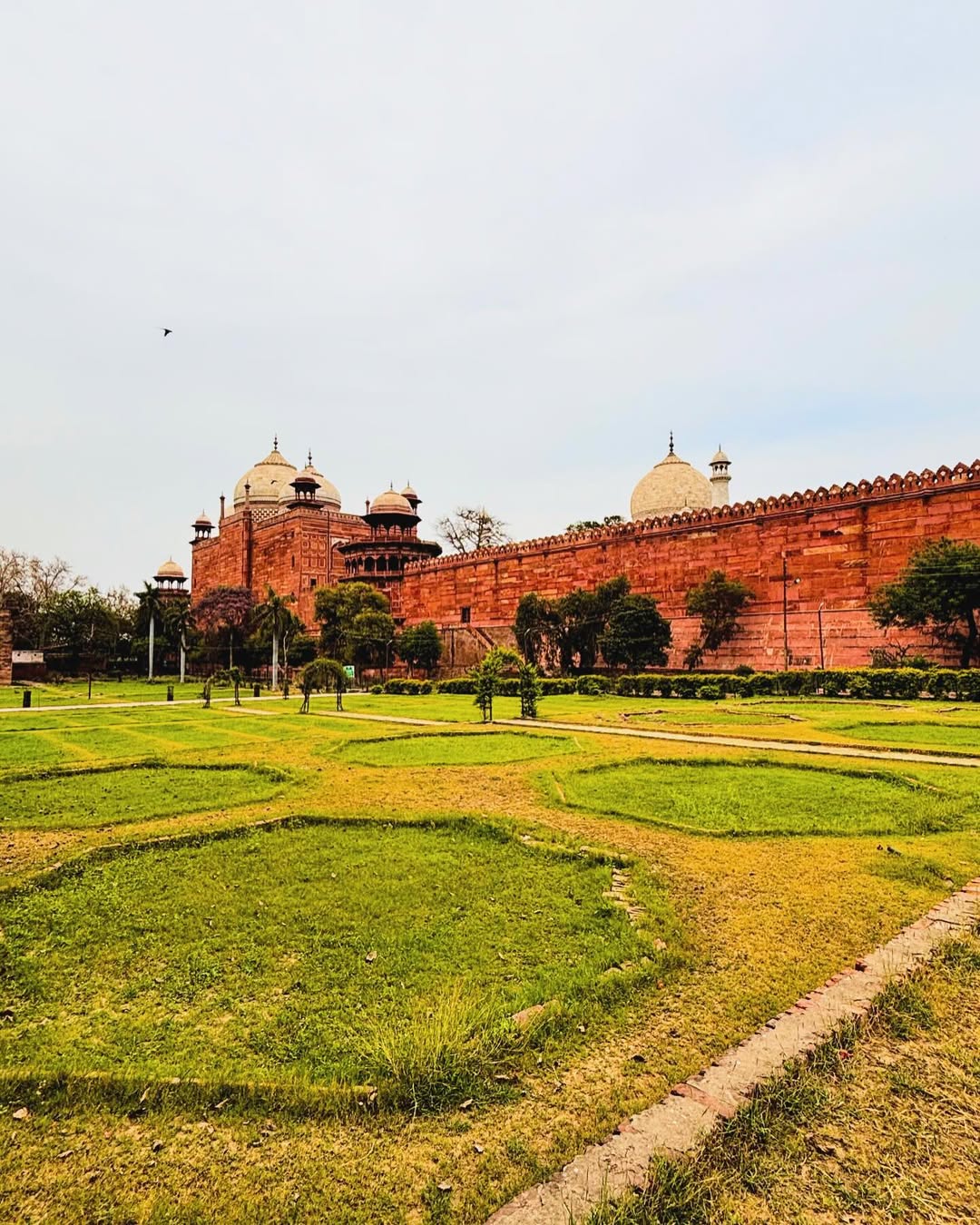
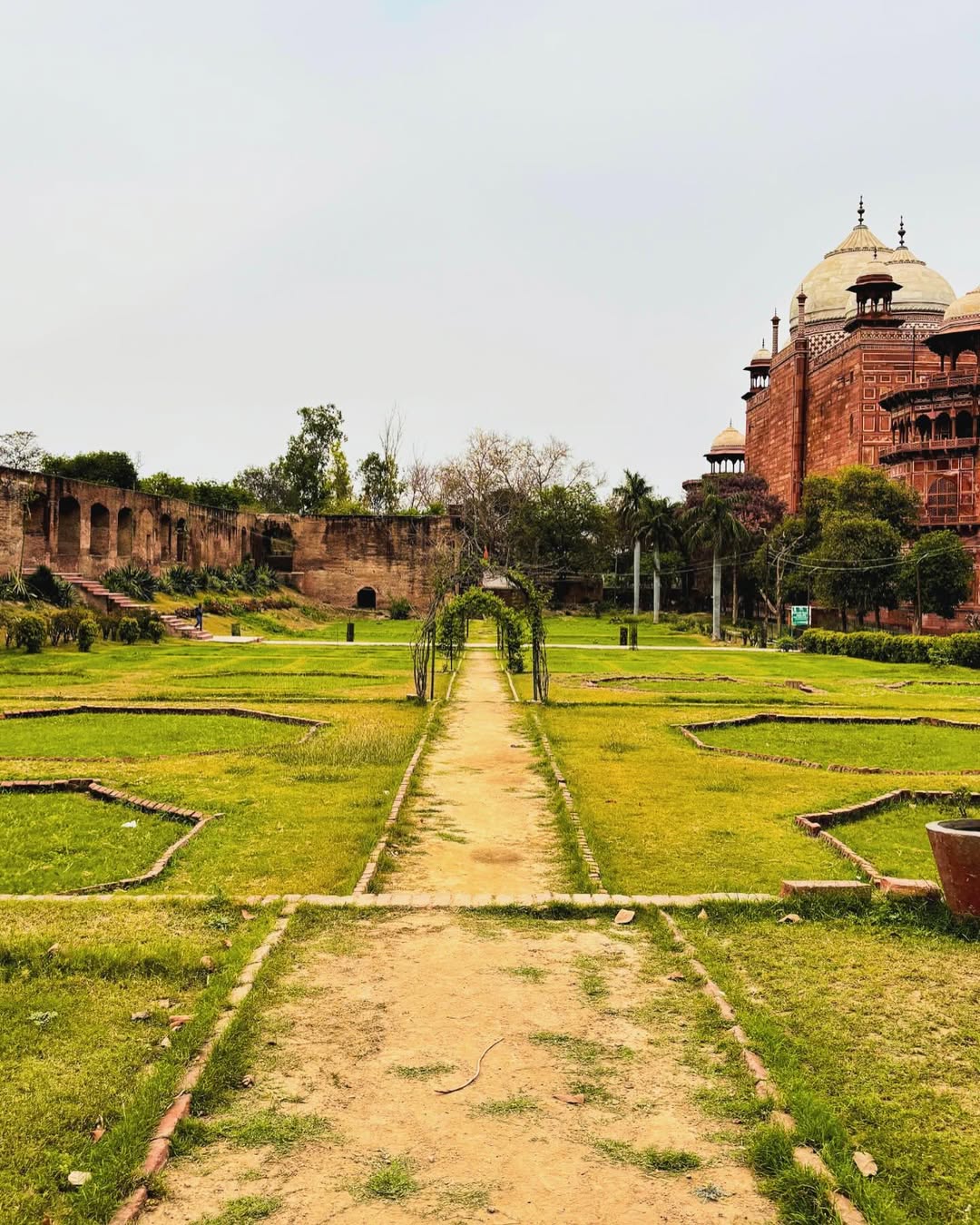
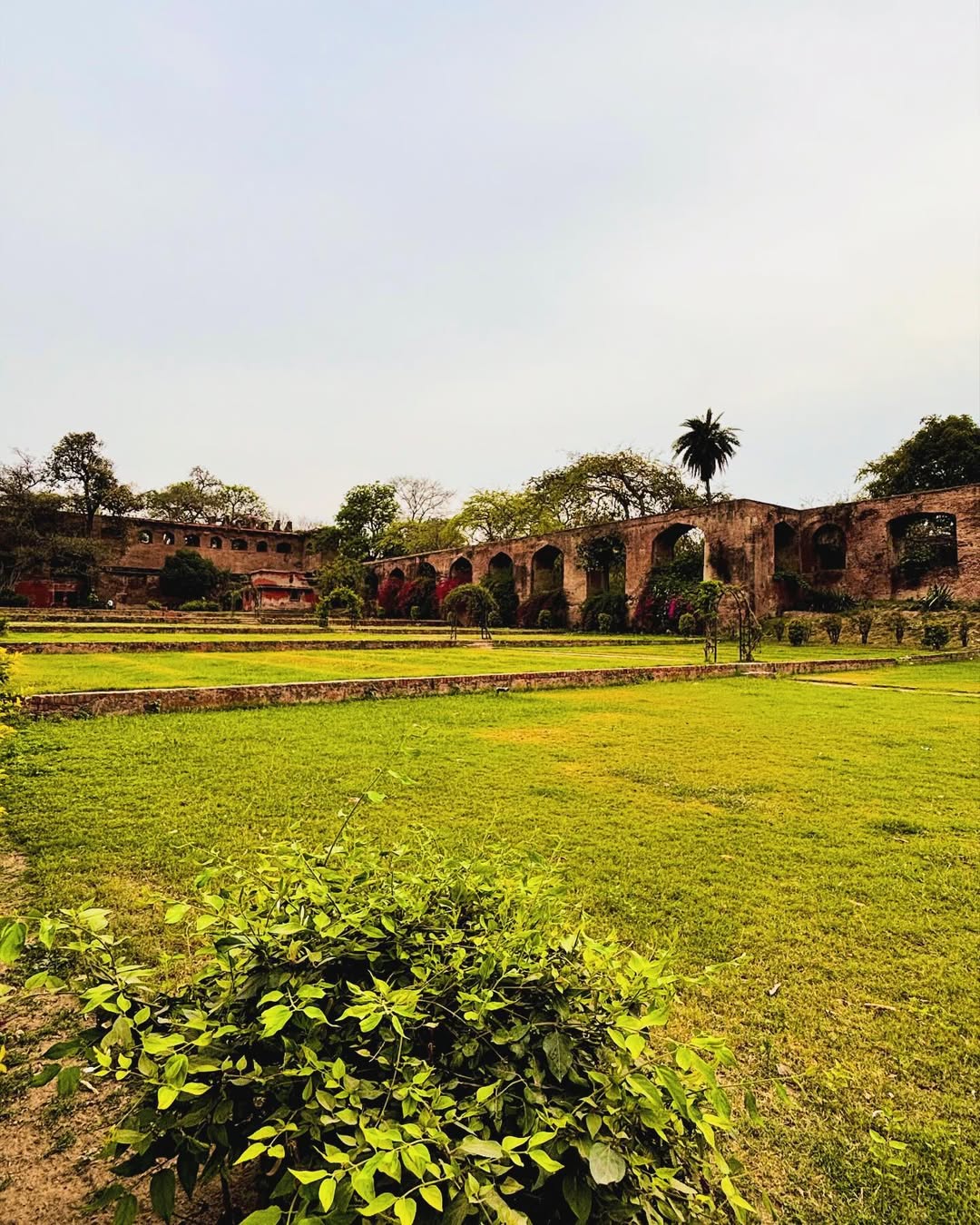
Khan-i-Alam Bagh: A Hidden Jewel of Mughal Ingenuity Nestled on the right bank of the Yamuna River, between the iconic Taj Mahal and the tomb of Sayyid Jalal Bukhari, Khan-i-Alam Bagh is a tranquil Mughal-era garden that whispers tales of innovation, devotion, and artistry. Nearest Bus Station: Agra Bus Stand, approximately 6 km away. Nearest Metro Station: Agra Metro (Taj East Gate), about 2 km away. Nearest Railway Station: Agra Fort Railway Station, 5 km away. Nearest Airport: Agra Airport (AGC), approximately 11 km away.
Nestled on the right bank of the Yamuna River, between the iconic Taj Mahal and the tomb of Sayyid Jalal Bukhari, Khan-i-Alam Bagh is a tranquil Mughal-era garden that whispers tales of innovation, devotion, and artistry. This lesser-known masterpiece, adjoining the western enclosure wall of the Taj Mahal, was laid out by Mirza Barkhurdar, a distinguished courtier of the Mughal emperors Jahangir and Shah Jahan, who held the title Khan-i-Alam. Historical Background: Constructed during the early 17th century, this garden was the brainchild of Khan-i-Alam, a high-ranking official renowned for his contributions to Mughal administration and architecture. In 1631, Emperor Shah Jahan, recognizing his loyal service, pensioned Khan-i-Alam in his old age with an annuity of one lakh rupees, allowing him to create this splendid garden. The Khan-i-Alam Bagh served not only as a serene retreat but also played a critical role in supplying water to the Taj Mahal's fountains, showcasing the Mughal mastery of water management. Architectural Elegance: The Khan-i-Alam Bagh was meticulously designed to harmonize with its surroundings and fulfill both aesthetic and functional purposes. Its sophisticated water system, sourced from the Yamuna River, highlights the engineering prowess of the Mughal era. Water was drawn from the river and directed into a series of tanks, beginning at ground level and gradually uplifted to an elevated tank atop the southern gateway. This innovative system ensured a continuous supply of water for the intricate fountains of the Taj Mahal garden complex. The remnants of the garden include a raised platform with a paved floor, believed to contain the remains of Khan-i-Alam, serving as a quiet reminder of the man whose vision shaped this exquisite space. The garden, once vibrant with lush greenery and blooming flowers, was a haven of peace and beauty, reflecting the Mughal love for nature and symmetry. Khan-i-Alam Bagh offers a unique blend of Mughal history, architecture, and engineering. Its serene ambiance and historical significance make it an ideal destination for those seeking to uncover the lesser-known treasures of Agra. With its close proximity to the Taj Mahal, it is a must-visit for anyone eager to explore the Mughal Empire's legacy beyond its iconic landmarks.
Year of Built: Early 17th Century
Address: 52FR+G46, Dharmapuri, Forest Colony, Tajganj, Agra, Uttar Pradesh 282001
Country: India
State: Uttar Pradesh
District: Agra
Pincode: 282001
Longitude: 78.0390? E
Latitude: 27.1710? N