
Indo Islamic Heritage


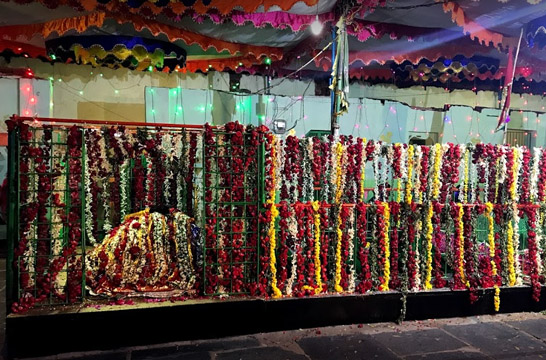
Discover the enchanting Astana-e-Muradia, a 250-year-old shrine in Kadapa that transcends religious boundaries. Home to the revered Hazrath Khwaja Murad Ali R.A, this dargah is a beacon of hope and harmony. Known for miraculous healings and wish fulfilment, it draws pilgrims from all faiths. Experience the legacy of the Qutbe Kadapa, whose written prayers still protect the town from epidemics. Witness the blend of Sufi traditions and local culture, and immerse yourself in the spiritual aura that has captivated devotees for centuries. Astana-e-Muradia: where faith moves trains and heals hearts.
Nestled in the heart of Kadapa, Andhra Pradesh, Astana-e-Muradia stands as a testament to the enduring power of faith and the unifying force of spirituality. This 250-year-old dargah, dedicated to the revered Sufi saint Hazrath Khwaja Murad Ali R.A, is not just a religious site but a beacon of hope and harmony that transcends the boundaries of creed and caste. Known affectionately as Qutbe Kadapa, Hazrath Ali Murad Saheb (R.A) was a luminary whose influence continues to shape the spiritual landscape of the region. The dargah, with its emerald dome piercing the sky, has become a symbol of divine protection and miraculous interventions. The air around Astana-e-Muradia hums with the whispered prayers of devotees who flock here every Monday, Thursday, and Friday. But it's not just Muslims who seek the blessings of the saint; Hindus and people of various faiths form a vibrant tapestry of devotion at this sacred spot. This interfaith harmony is a living embodiment of the inclusive teachings of the great Sufis who once walked these lands. Legend has it that Qutbe Kadapa was a golden angel sent by God to shield the people of Kadapa from calamities. The most famous miracle associated with the saint is the eradication of cholera from the town. It's said that whenever an outbreak threatened, the residents would turn to the dargah, reciting the "Dua-e-Dafiyul bala wal-wabaa" penned by the saint himself. Even today, pilgrims carry flower chandani (a floral offering) as they seek protection from ailments and misfortunes. But the miracles of Astana-e-Muradia aren't confined to the past. Devotees swear that wishes made at the shrine are invariably fulfilled, drawing an ever-increasing number of pilgrims from far and wide. The dargah has become a crucible where faith is tested and often rewarded, with countless stories of healing and divine intervention circulating among the faithful. The legacy of Qutbe Kadapa extends beyond his earthly life. In 1889, as his mortal remains were being transported from Chennai to Kadapa for burial, a remarkable incident occurred. The train carrying his body mysteriously halted at Perambur station and refused to budge until the saint's disciples were allowed to board. This event, immortalized by a commemorative plaque at the station, serves as a powerful reminder of the saint's enduring spiritual presence. Astana-e-Muradia is not just a solitary shrine but part of a rich tapestry of Sufi heritage in the region. The dargah's custodians, identified by their distinctive green and saffron caps, trace their lineage back to the illustrious Hazrath Ghouse Azam Dastagir R.A of Baghdad and Hazrath Khwaja Moinuddin Hasan Sanjeri R.A of Ajmer. This connection to the great Sufi masters of history imbues the site with an added layer of spiritual significance. Visitors to Astana-e-Muradia are struck by the palpable sense of peace that pervades the premises. The gentle fluttering of prayer flags, the soft glow of oil lamps, and the melodious calls to prayer create an atmosphere of tranquility and introspection. It's a place where time seems to slow down, allowing pilgrims to disconnect from the chaos of the outside world and connect with their inner selves. The dargah complex, with its intricate architecture and serene courtyards, offers a visual feast as well as a spiritual one. The main shrine, adorned with verses from the Quran and adorned with offerings from grateful devotees, serves as the focal point of veneration. Surrounding it are smaller shrines and prayer halls, each with its own unique energy and purpose. But Astana-e-Muradia is more than just a place of personal devotion; it's a living institution that continues to serve the community. The dargah's caretakers maintain a tradition of charitable works, offering food to the needy and providing spiritual guidance to all who seek it. During festivals and urs celebrations, the shrine comes alive with a riot of colors, music, and devotional fervor, attracting thousands of participants from across the country. For those seeking a deeper connection to the saint's teachings, the dargah houses a collection of rare books and manuscripts, some of which are preserved in museums in Hyderabad and Lahore. These texts offer invaluable insights into the spiritual philosophies that have shaped the region's cultural landscape for centuries. As you stand before the majestic gates of Astana-e-Muradia, you're not just entering a historical monument or a place of worship. You're stepping into a living, breathing testament to the power of faith, the beauty of cultural synthesis, and the enduring legacy of a saint whose love continues to touch lives across generations and religious divides. Whether you're a spiritual seeker, a history enthusiast, or simply a curious traveler, Astana-e-Muradia offers an experience that will leave an indelible mark on your soul. It's a place where miracles are not just stories from the past but living realities that unfold every day. Come, tie a thread of hope on the dargah's walls, and let the blessings of Qutbe Kadapa illuminate your path forward.
Year of Built: Approximately 1774 (250 years ago from the current year 2024)
Address: Astana-e-Muradia Dargah, Near Khilla Masjid, Kadapa, Andhra Pradesh, India
Country: India
State: Andhra Pradesh
District: Kadapa
Pincode: 516001
Longitude: 78.8241
Latitude: 14.4726