
Indo Islamic Heritage


The nearest metro station to Moti Masjid is Qutub Minar Metro Station. The closest bus stands are Ahimsa Sthal and Qutub Minar. For those traveling by train, the nearest railway station is Hazrat Nizamuddin Railway Station, while the nearest airport is Indira Gandhi International Airport. Moti Masjid is located near Zafar Mahal, and can be approached by taking local transport from any of these major transit points. From Qutub Minar Metro Station or the nearby bus stands, one can take an auto-rickshaw or a short cab ride to reach the masjid conveniently.
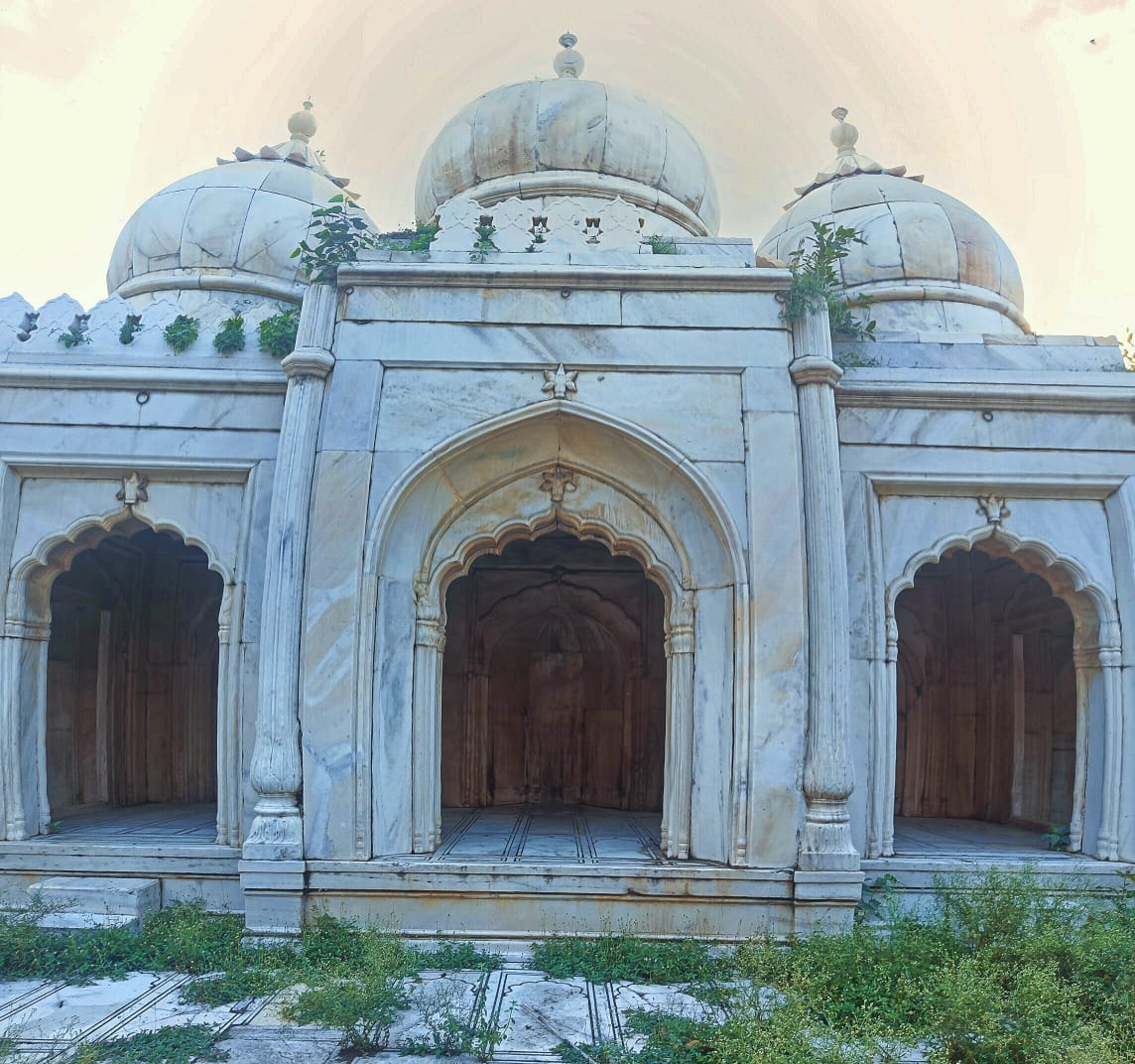
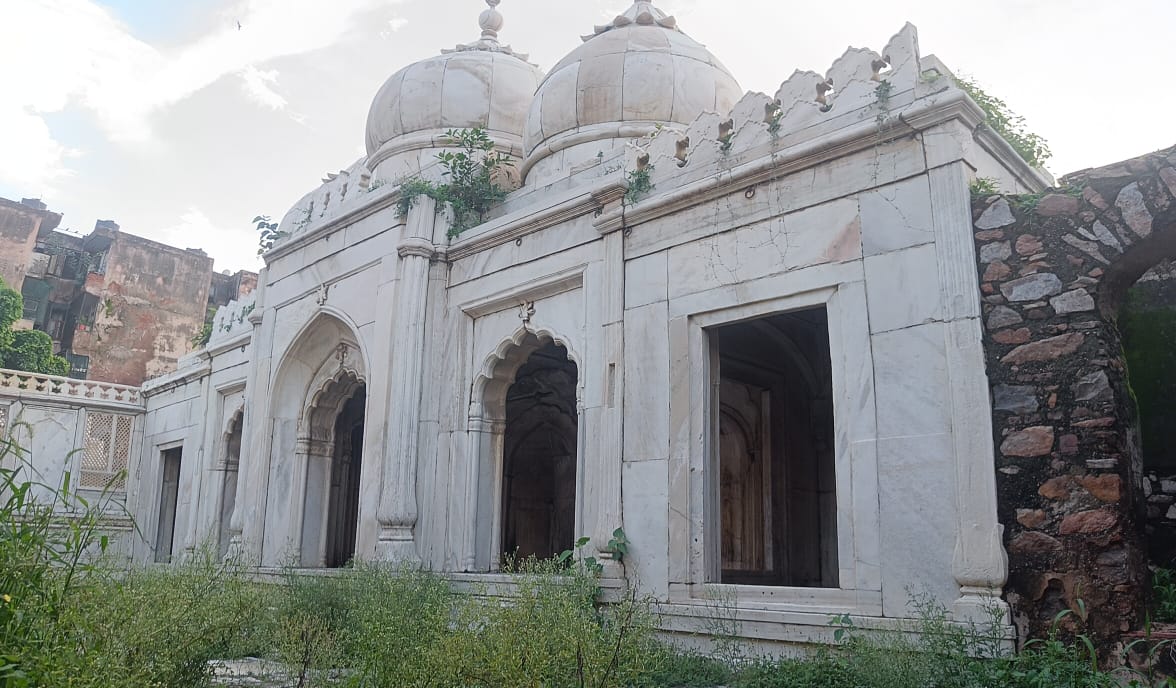
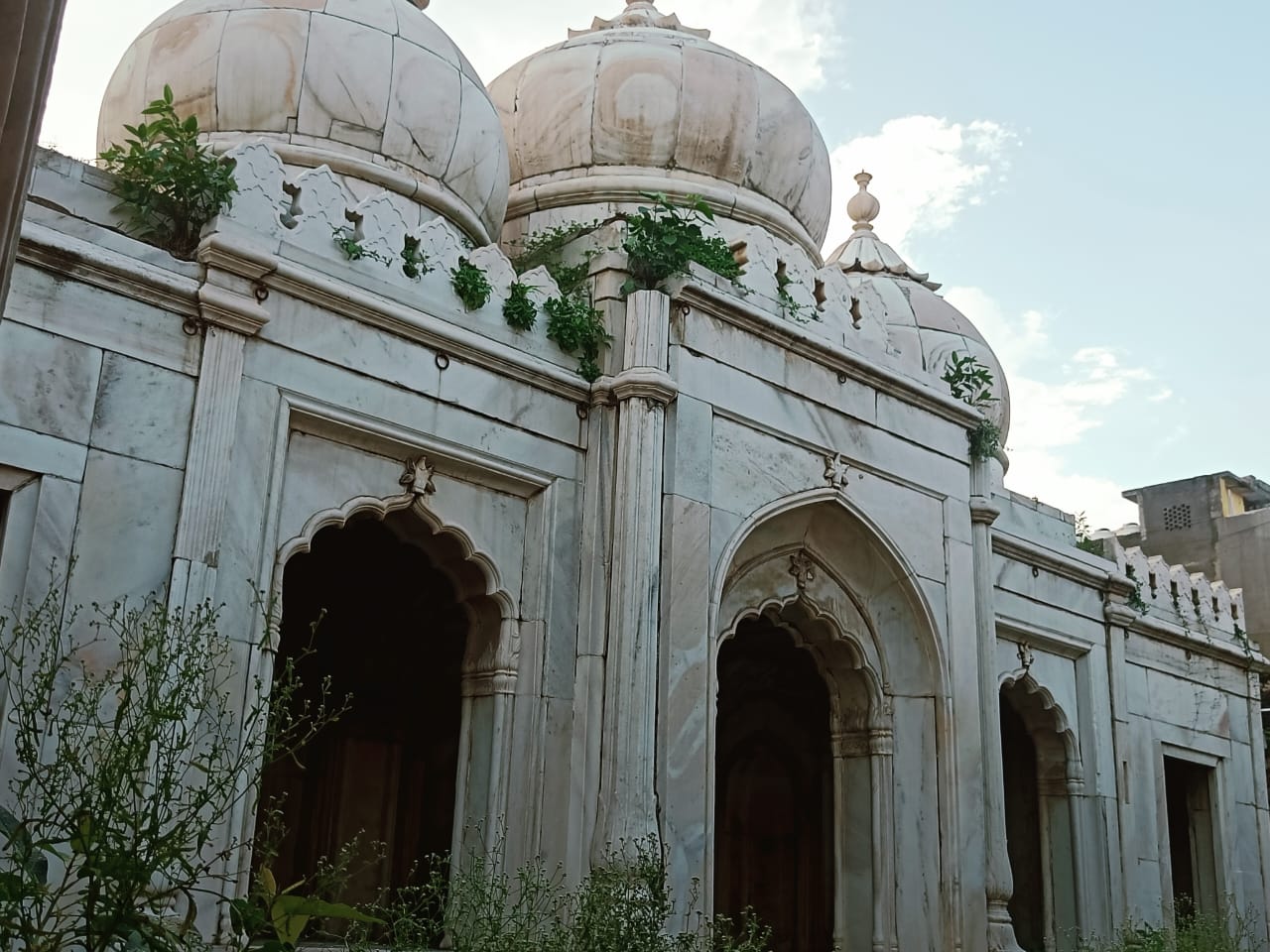
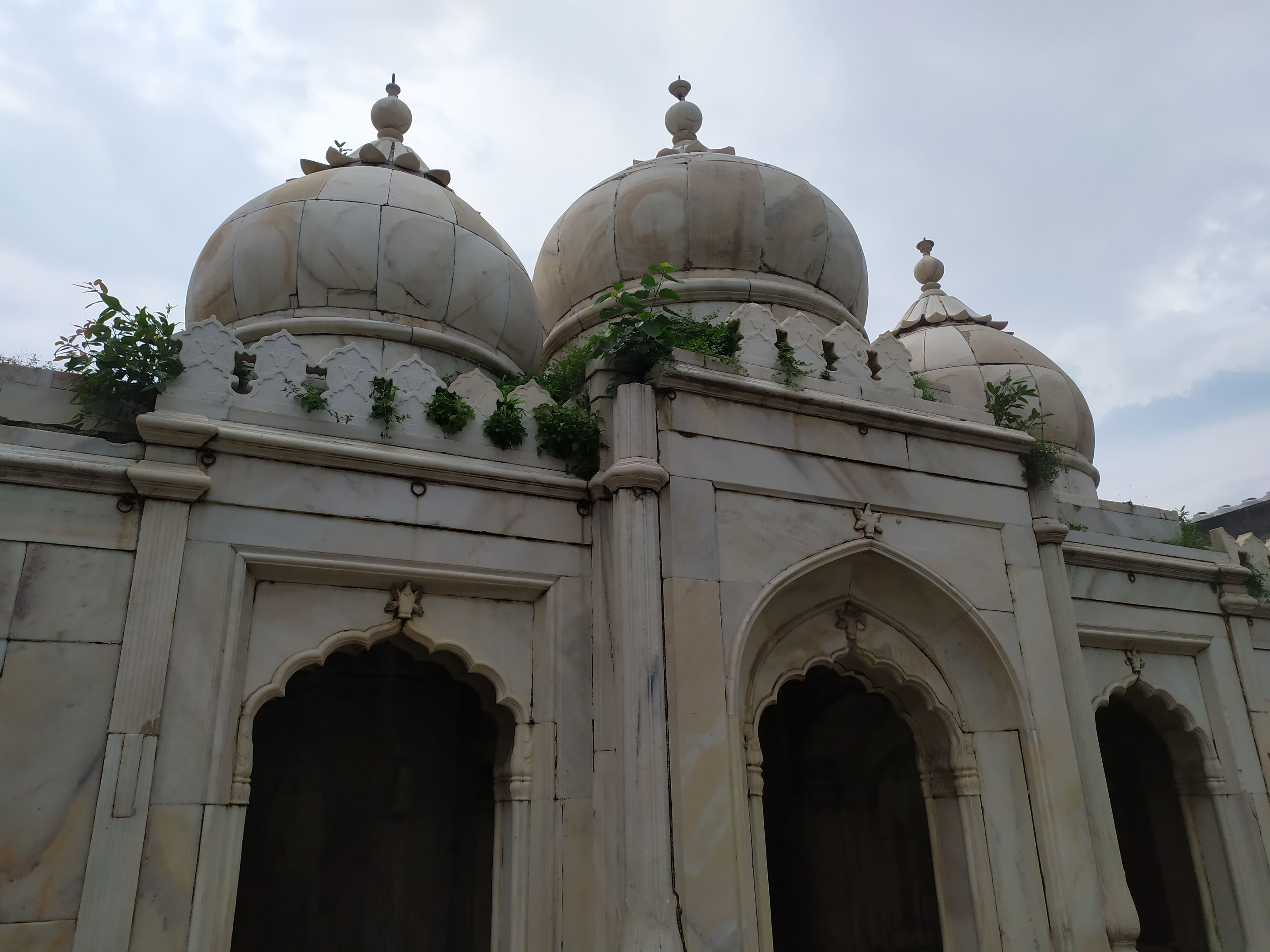
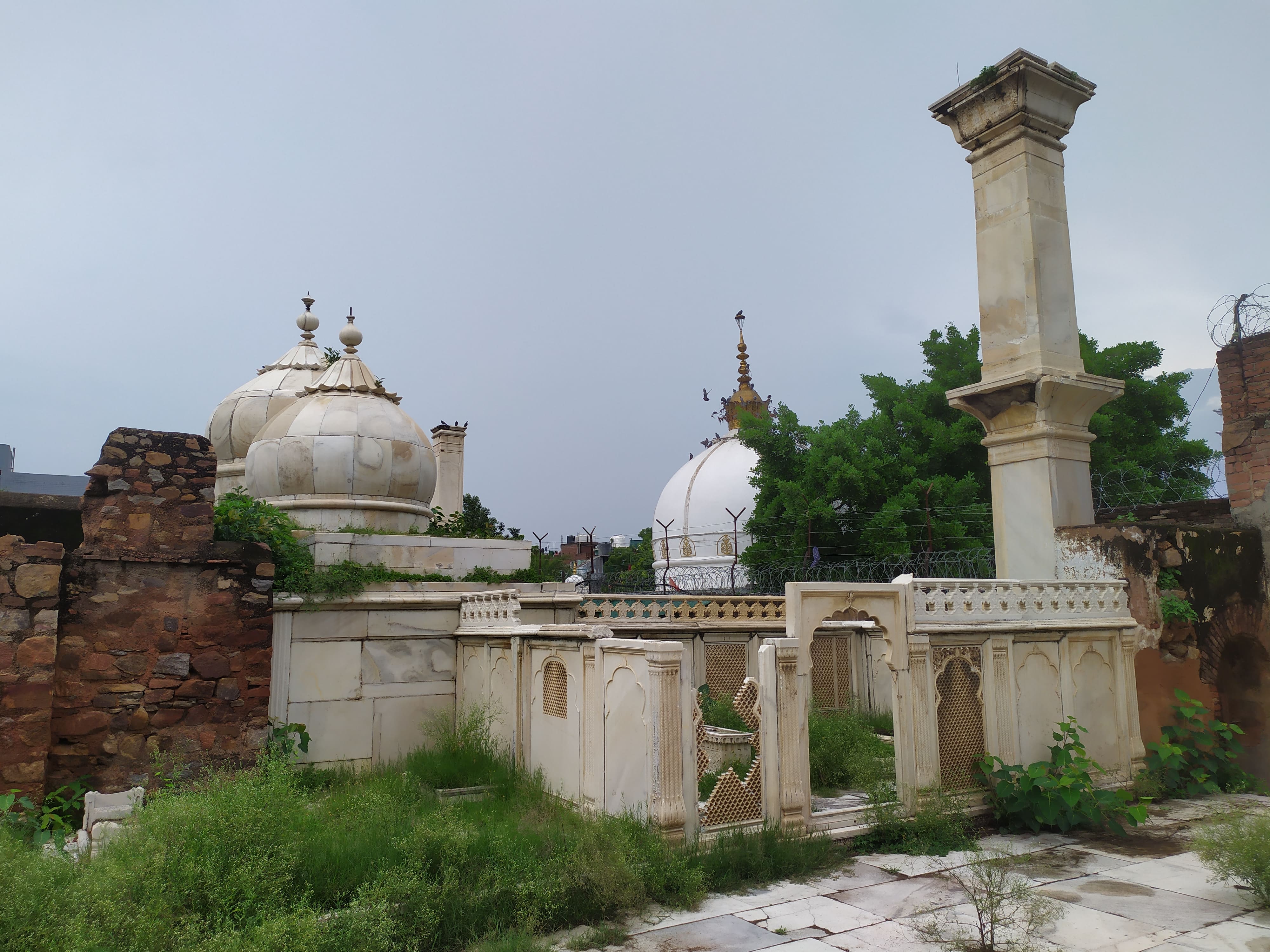
Moti Masjid, or the Pearl Mosque, built in 1709, holds a unique place in the history of Mughal architecture. Constructed during the reign of Bahadur Shah I, it marks the twilight of the Mughal era in India. The mosque is especially notable as it is considered the last example of the Mughal tradition of building small, marble-clad mosques. Its location is significant, situated near the dargah (shrine) of Qutbuddin Bakhtiar Kaki, a revered Sufi saint. This placement reflects a shift in the patterns of Mughal patronage. Under Bahadur Shah I, there was a remarkable increase in imperial support for this shrine. The construction of Moti Masjid nearby symbolizes this evolving relationship between the Mughal monarchy and Sufi institutions. Architecturally, the Moti Masjid consists of a single-aisled prayer hall with five bays. Though modest compared to the grand Mughal mosques of earlier periods, it still demonstrates the refined aesthetic sensibilities of the Mughal style. The use of marble facing, a material traditionally reserved for imperial projects, emphasizes its importance despite its smaller scale. There is some scholarly debate about its patronage. While it is generally attributed to Bahadur Shah I, some historians—such as Dadlani—suggest that it may have been commissioned by a member of the royal family or a high-ranking court official. This ambiguity highlights the complex nature of architectural patronage in the later Mughal period. The mosque’s later history adds to its significance. During the turbulent period of India’s Partition, the Moti Masjid suffered serious damage amid communal violence. Despite being a protected monument, its marble minarets were destroyed—a powerful reminder of how historical structures can become casualties in times of conflict. Today, the mosque stands as a poignant symbol of Mughal architectural heritage and the ongoing challenges of heritage preservation. The only surviving minaret, now propped up by scaffolding, bears silent witness to the mosque’s past grandeur and the urgent need for conservation. In essence, Moti Masjid encapsulates the story of the declining Mughal Empire, shifting patterns of imperial support, the lasting impact of Sufi traditions, and the complex communal realities of modern India. Its neglected state, despite being under the care of the Archaeological Survey of India, raises serious concerns about the future of heritage monuments in an increasingly urbanized landscape.
Year of Built: 17th - 18th Century
Address: Moti Masjid Beside Zafar Mahal, Mehrauli, South Delhi
Country: India
State: Delhi
District: South Delhi
Pincode: 110030
Longitude: 77.1797
Latitude: 28.5190