
Indo Islamic Heritage


The nearest metro station to Isa Khan Niyazi’s Mosque is JLN Stadium Metro Station on the Violet Line of the Delhi Metro. From this station, the mosque is about 1 kilometer away and can be reached within a 10–15 minute walk or a short auto-rickshaw ride. The Violet Line connects to major interchange stations like Central Secretariat and Kashmere Gate, making it accessible from different parts of Delhi. The nearest railway station is Hazrat Nizamuddin Railway Station, located approximately 2 kilometers from the mosque complex. This station serves a large number of long-distance and local trains and is well-connected to major cities across India. From the station, you can reach the mosque by taking an auto-rickshaw or a cab, which takes around 10 minutes. For those traveling by bus, the nearest bus stand is Sunder Nagar Bus Stop or the Nizamuddin Police Station Bus Stop, both of which are less than 1.5 kilometers away. These stops are serviced by multiple Delhi Transport Corporation (DTC) bus routes that connect with various parts of Delhi, including central and south Delhi areas. Buses are a budget-friendly option, though traffic can affect travel time. The nearest airport is Indira Gandhi International Airport (IGI Airport), Terminal 3, which is approximately 17–20 kilometers from the site, depending on the route taken. By car or cab, the travel time is typically between 30 to 45 minutes, depending on traffic. The airport is well-connected to the city via the Airport Express Line (Orange Line), and travelers can transfer to the Violet Line to reach the mosque via JLN Stadium Metro Station. In summary, Isa Khan Niyazi’s Mosque is conveniently located within the Humayun’s Tomb complex and is accessible through multiple modes of transport, making it easy to visit for both locals and tourists.
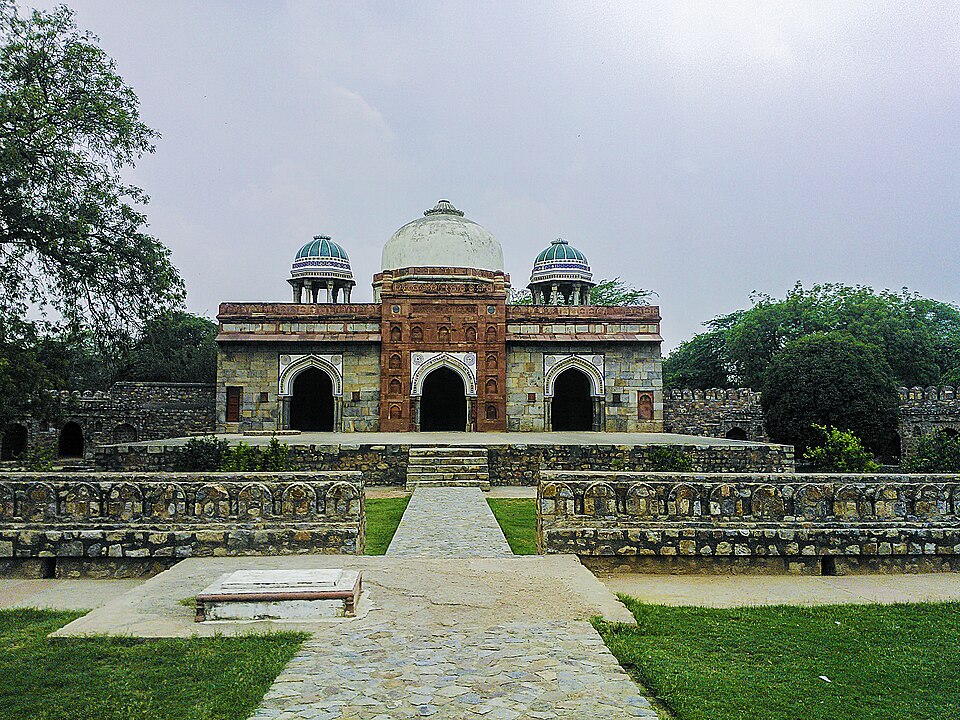
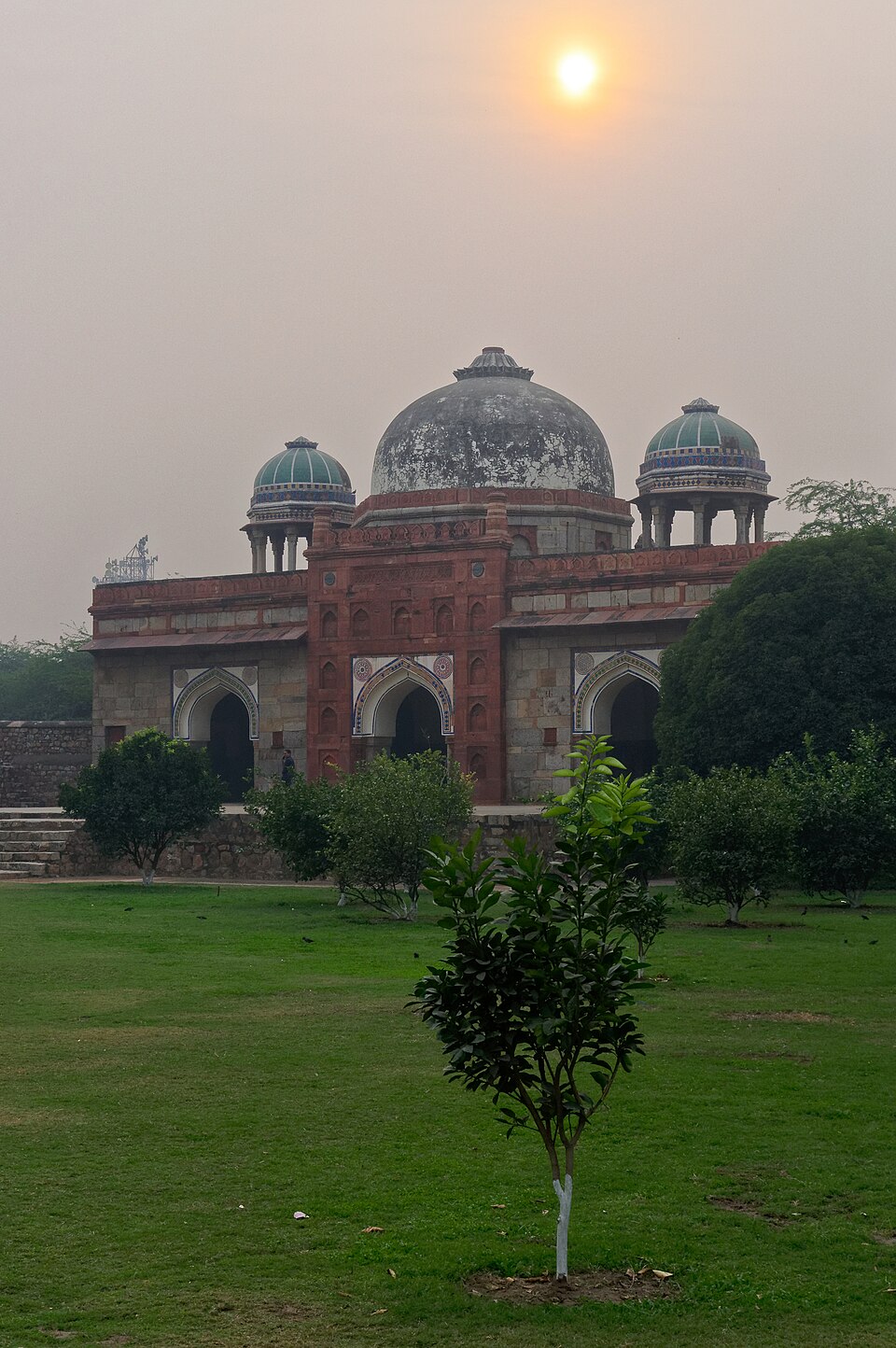
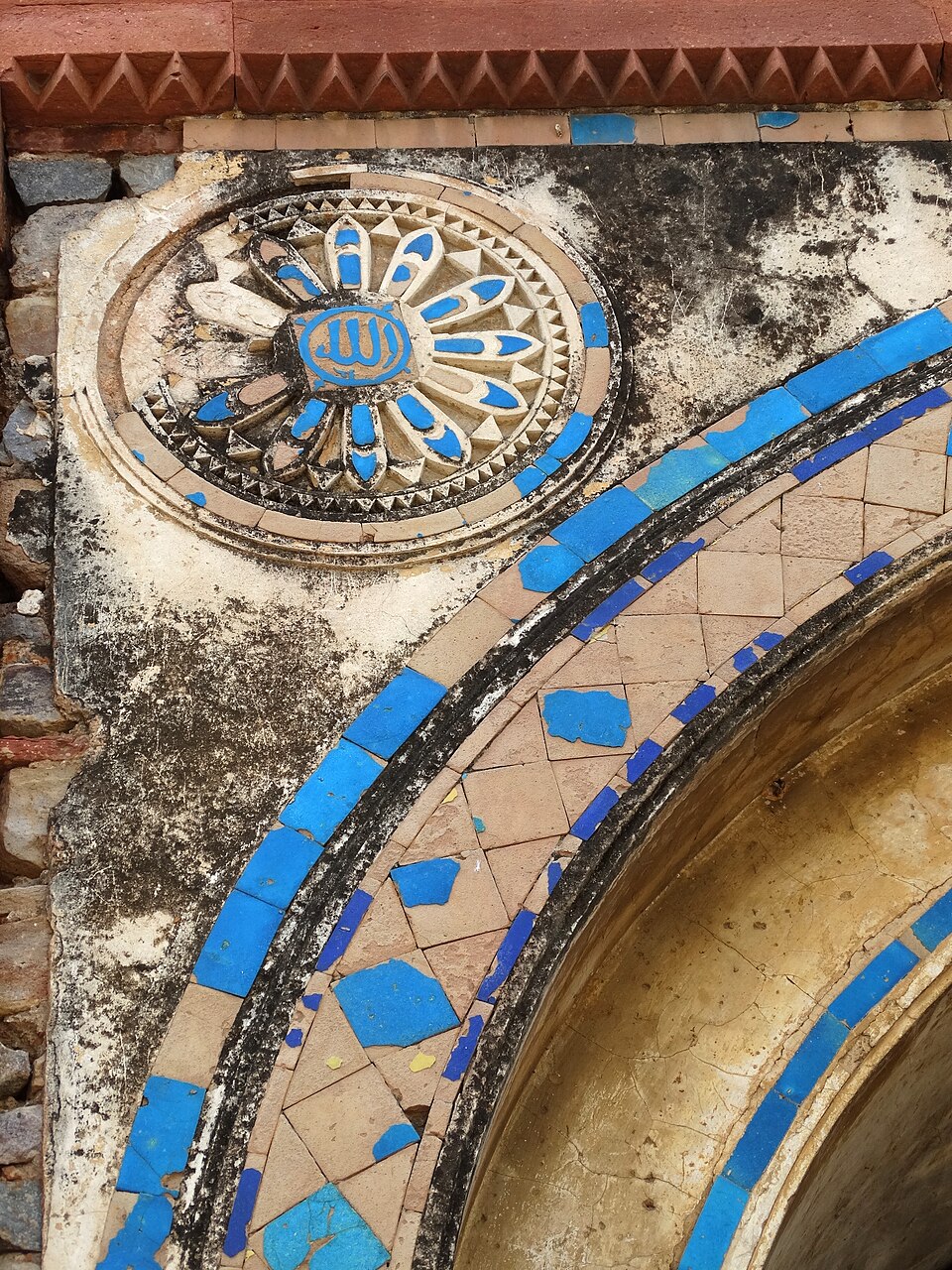
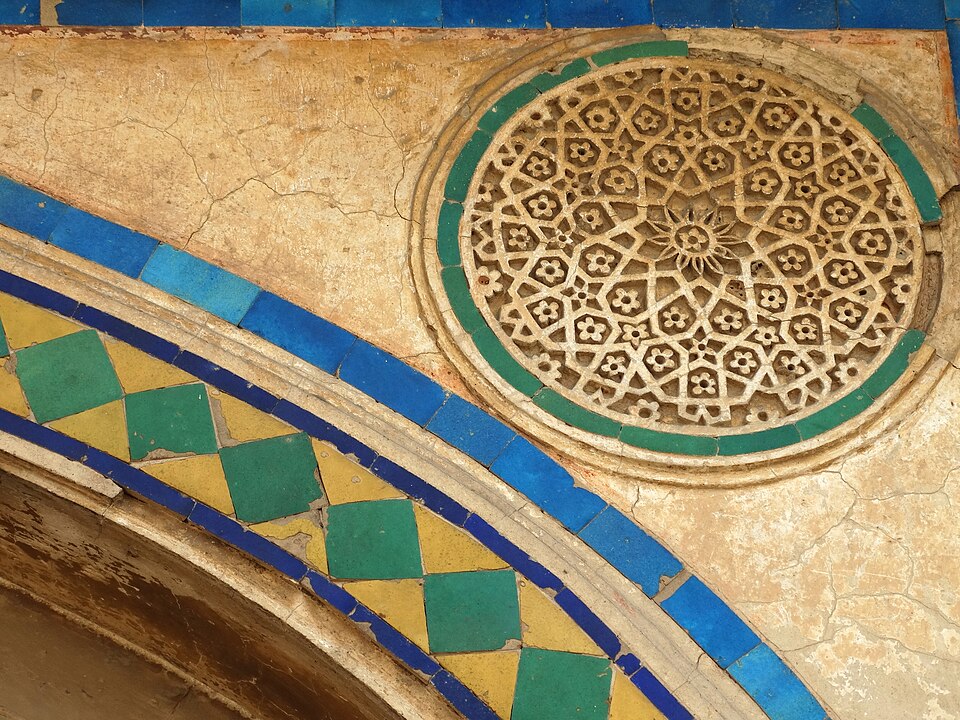
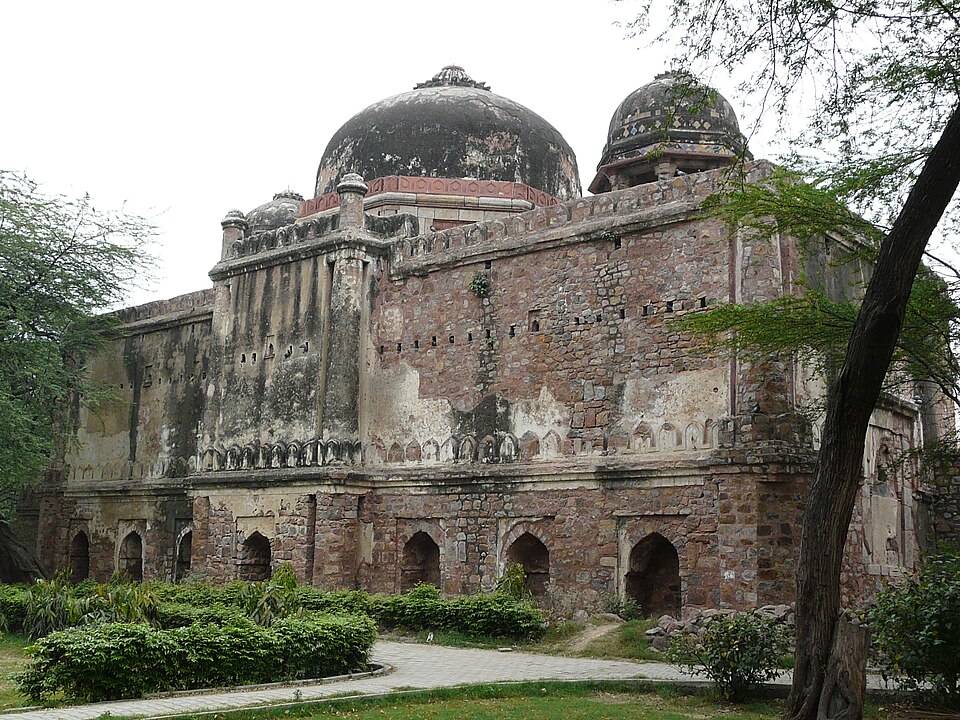
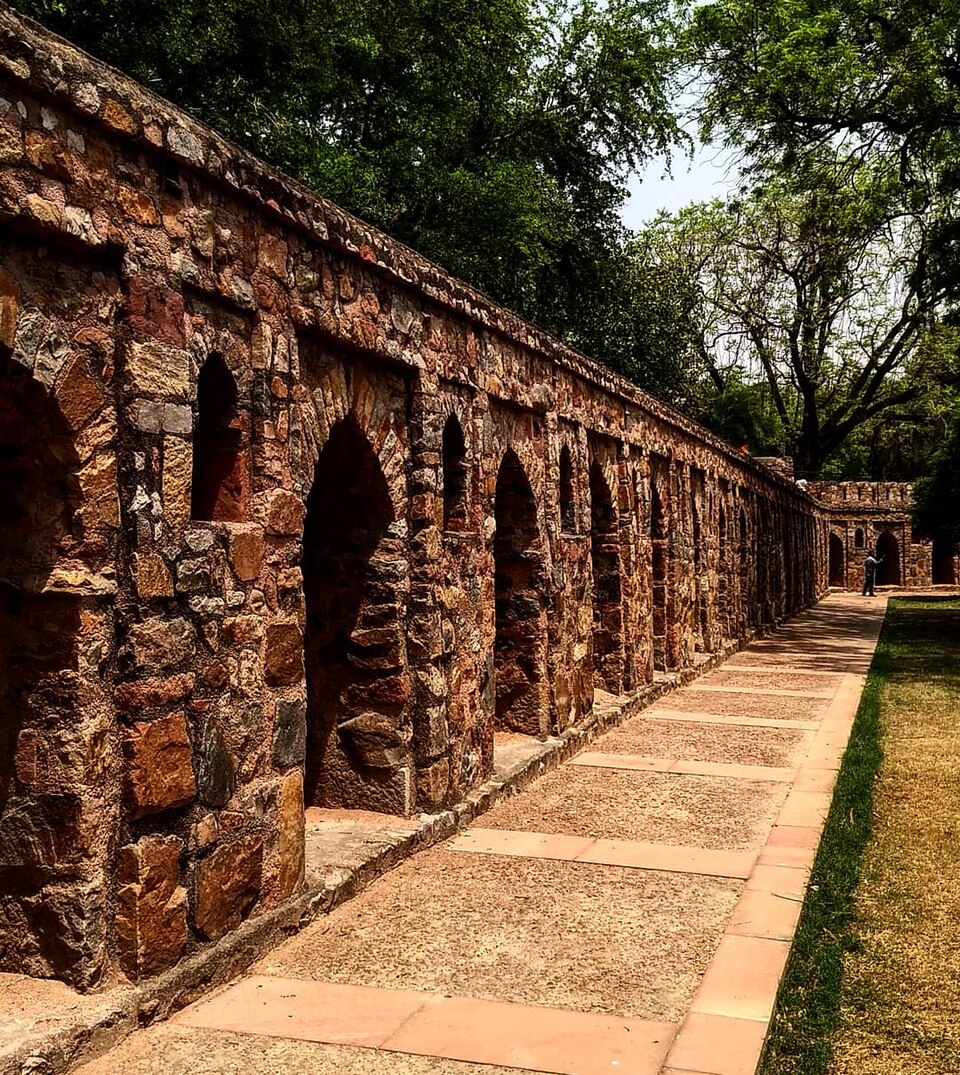
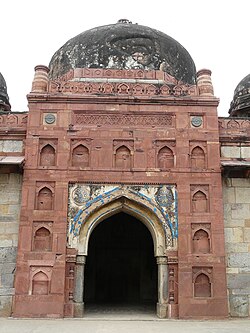
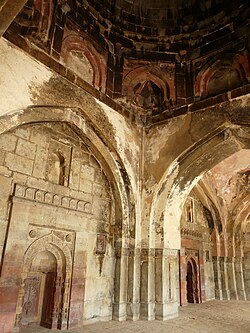
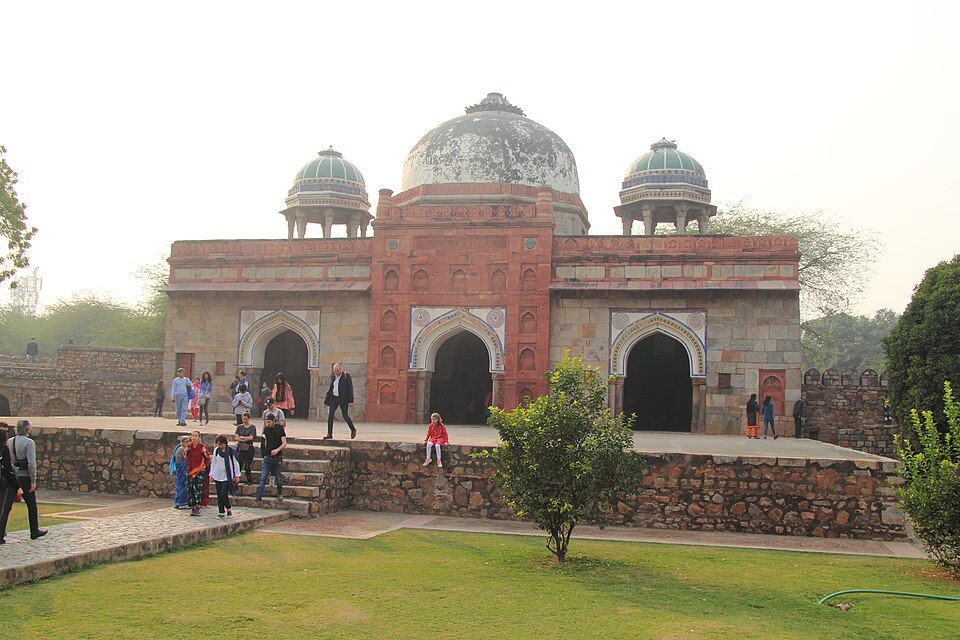
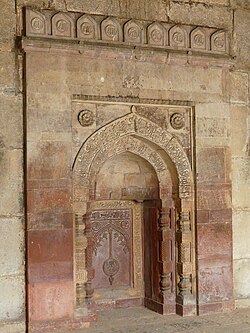
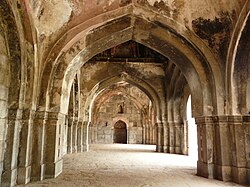
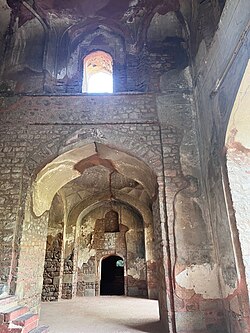
The Isa Khan Niyazi Mosque, built around 1547, stands within the walled garden complex of Isa Khan’s tomb, located near Humayun’s Tomb in Delhi. Isa Khan Niyazi was a nobleman in the court of Sher Shah Suri and Islam Shah Suri during the 16th century. He commissioned both his tomb and this mosque during his lifetime, making it one of the earliest examples of self-commemoration in Indo-Islamic architecture. The mosque reflects a transitional architectural style that blends Lodi and early Sur dynasty influences. Constructed primarily from grey quartzite with red sandstone facing, the mosque is richly adorned with glazed blue, green, and yellow tile work, especially around its arched entrances. It features a raised platform, a three-bay façade with a large central arch flanked by two smaller ones, and three domes—the central one being the largest and supported by a 16-sided drum. The two smaller domes are set above chhatri-like structures supported by columns. The interior is simple, focusing decorative efforts on the mihrab wall, which includes Quranic inscriptions and floral motifs. The mosque and its surrounding enclosure predate Humayun’s Tomb by nearly two decades and include India’s oldest known sunken garden, unearthed during conservation efforts led by the Aga Khan Trust and the Archaeological Survey of India between 2011 and 2015. Together, the tomb and mosque of Isa Khan offer a glimpse into the architectural transition from the Delhi Sultanate to the Mughal era and stand as a testament to early garden-tomb planning in India.
Year of Built: 15th - 16th Century
Address: Mathura Road, Humayun’s Tomb Complex, Nizamuddin East, New Delhi
Country: India
State: Delhi
District: South Delhi
Pincode: 110044
Longitude: 77.2507
Latitude: 28.5933