
Indo Islamic Heritage


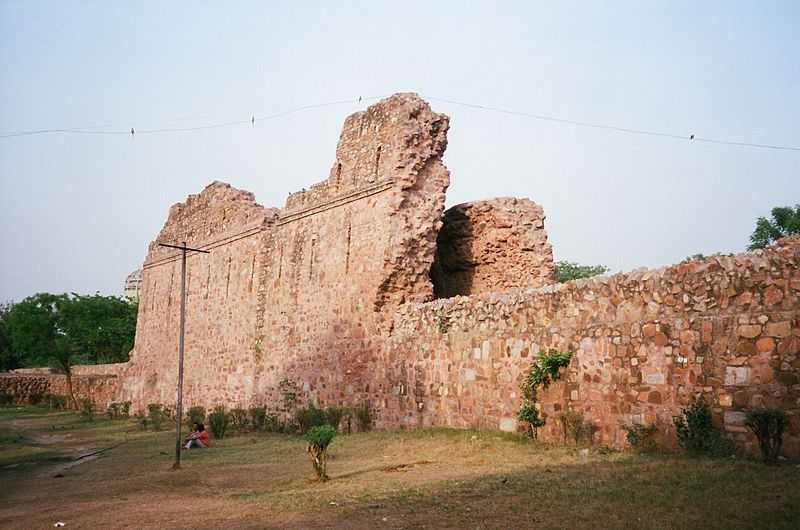
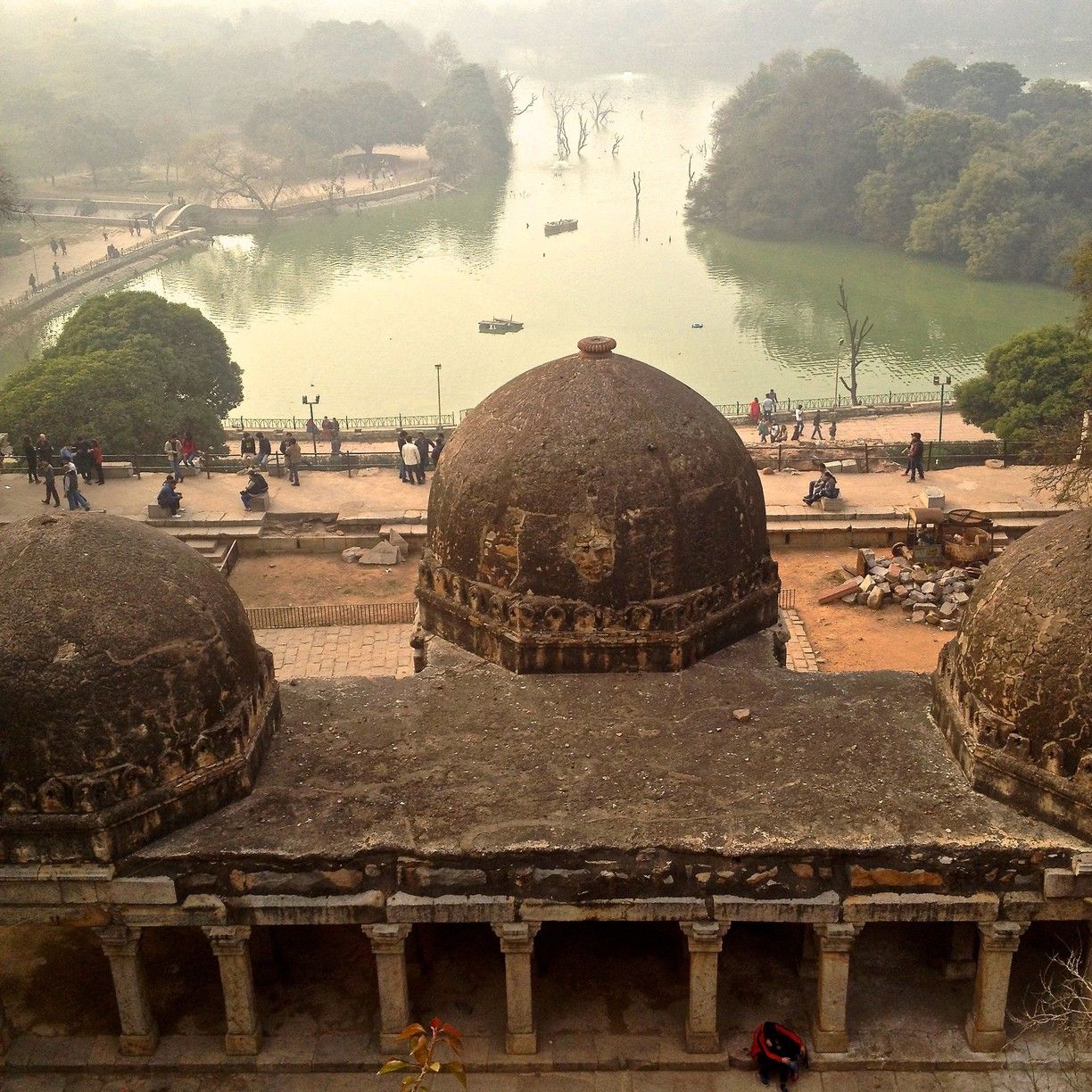
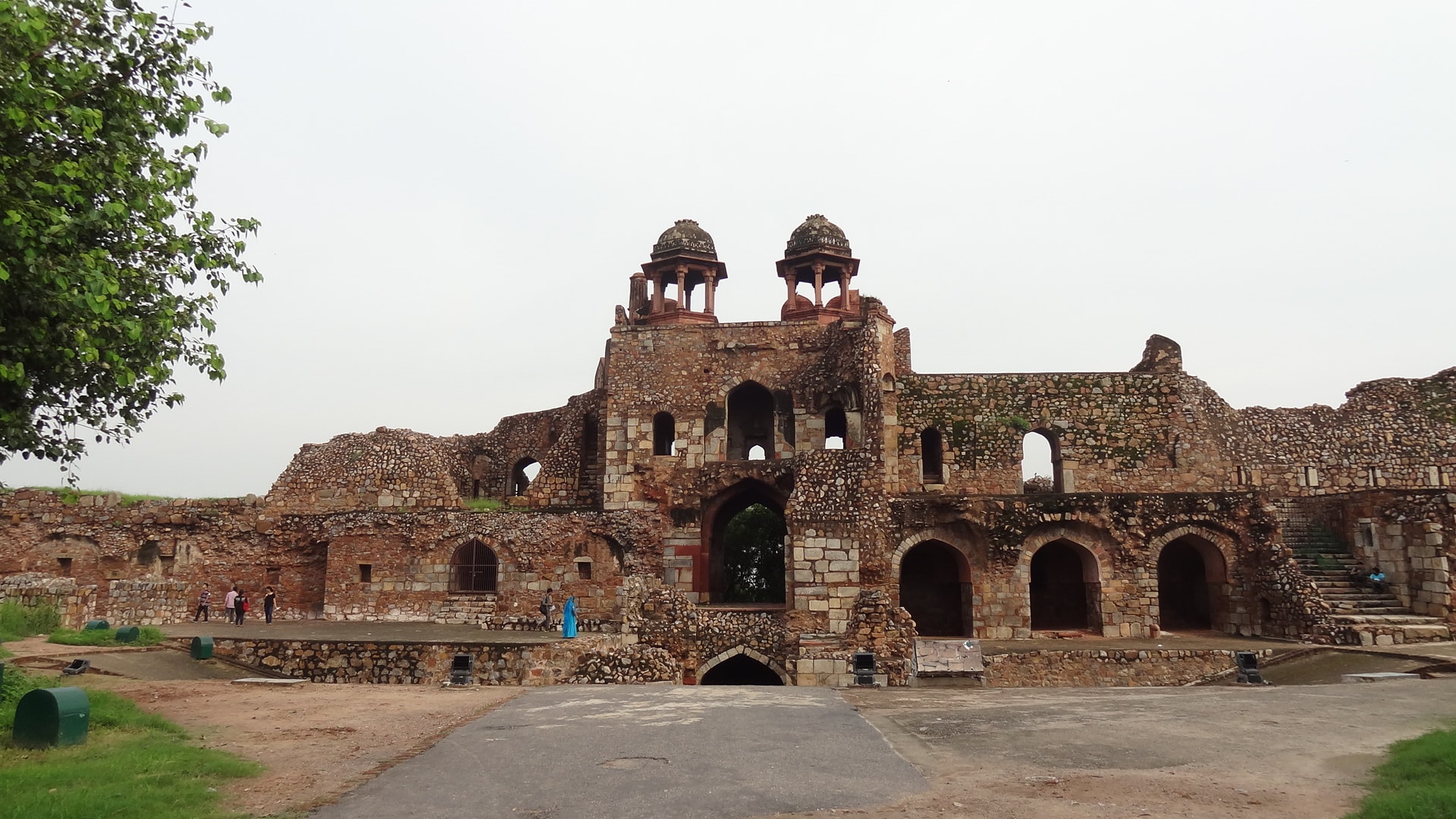
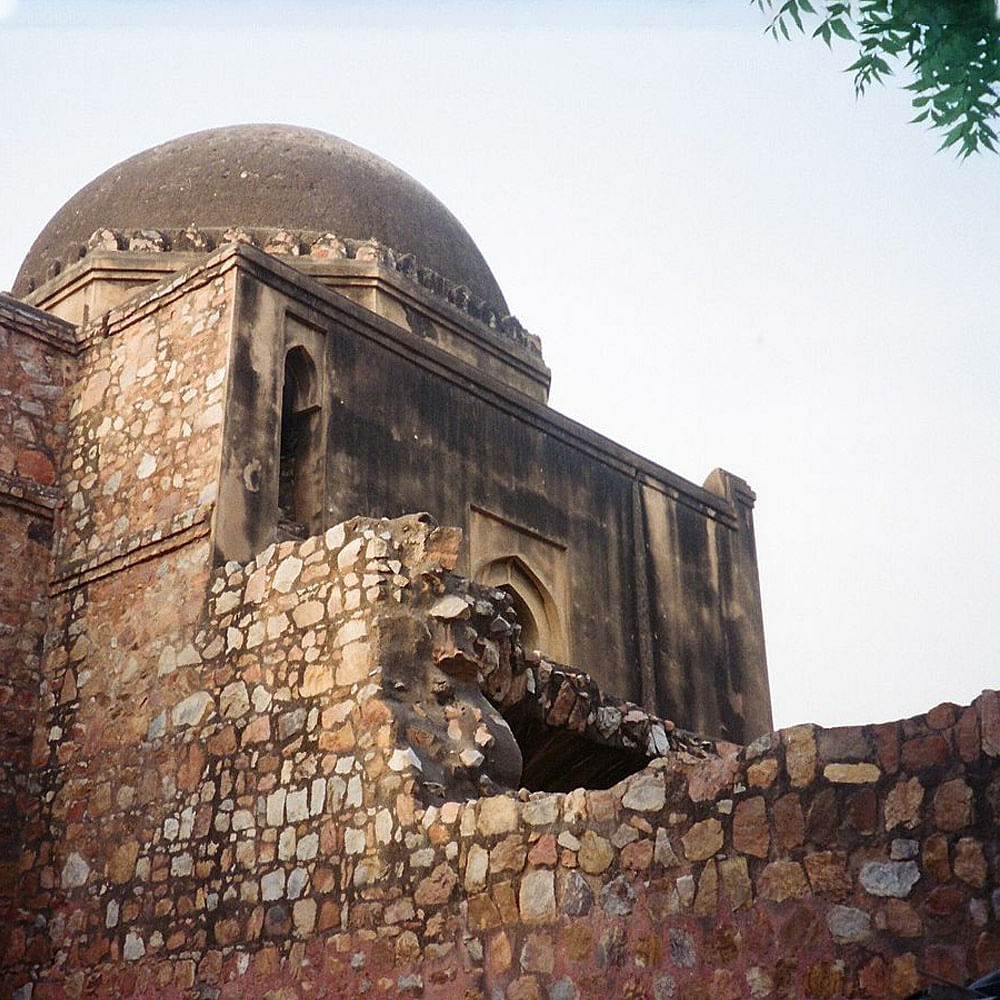
The Nearest Bus Stand - Siri Fort Road , The Nearest Metro Station - Panchsheel Park, Nearest Railway Station- Nizamuddin Railway Station Railway Station Nearest Airport- IGI. Siri Fort, located in New Delhi, was constructed during the reign of Alauddin Khalji, the second ruler of the Khalji Dynasty of the Delhi Sultanate, around 1303. This fort was built primarily as a defensive measure against the frequent Mongol invasions, showcasing the strategic foresight of Alauddin Khalji's administration.
Siri Fort, located in New Delhi, was constructed during the reign of Alauddin Khalji, the second ruler of the Khalji Dynasty of the Delhi Sultanate, to defend against Mongol invasions. Built around 1303, it was the second of Delhi?s seven medieval cities and is considered the first city fully constructed by the Turks in India. Despite its historical significance, the fort is now in ruins due to its relatively poor construction quality compared to earlier Indian forts. The fortification, built in an oval shape and encompassing approximately 1.7 square kilometers, featured seven gates, of which only the south-eastern gate remains today. It served as the seat of power during Alauddin?s campaigns to expand his territory and was heavily influenced by the craftsmanship of Seljuq artisans who sought asylum in Delhi during Mongol invasions in West Asia. According to legend, the fort?s name, "Siri," derives from the Hindustani word for "head" (?Sir?), referencing the severed heads of 8,000 Mongol soldiers used in its foundation. Siri?s defenses were formidable enough to repel a siege by Mongol general Targhi in 1303, leading to a decisive victory against the Mongols at Amroha in 1306. The fort later became part of the fortifications of Jahanpanah and was known as "Darul Khilafat" or "Seat of the Caliphate." In 1398, Timurlane described Siri?s lofty buildings, robust fortifications, and its connection to Old Delhi and Jahanpanah. Architecturally, Siri was known for innovations such as flame-shaped battlements and bastions. Its most notable structure was the Hazar Sutan, a palace of a thousand pillars with marble floors and intricate decorations, built outside the fort. Siri also featured a sophisticated water supply system linked to the Hauz Khas reservoir. Alauddin, who engaged 70,000 workers in its construction, also expanded the Qutb complex by enlarging the Quwwatul-Islam Mosque and initiating a grand minaret, which remains incomplete due to his death in 1316. Over time, the fort's materials were dismantled by rulers like Sher Shah Suri for their construction projects, leading to its present state of disrepair. Further damage occurred during the development of the Asiad Village Complex in 1982, burying portions of the site. Recent archaeological efforts by the ASI aim to unearth and preserve the remnants of this historically significant structure.
Year of Built: 14th Century
Address: The Fort is located at the southern end of Hauz Khas and is 13 km (8.1 mi) from Delhi. It is approachable from Panchseel road in South Delhi.
Country: India
State: Delhi
District: South Delhi
Pincode: 110049
Longitude: 77.2148
Latitude: 28.5506