
Indo Islamic Heritage


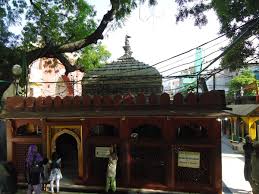
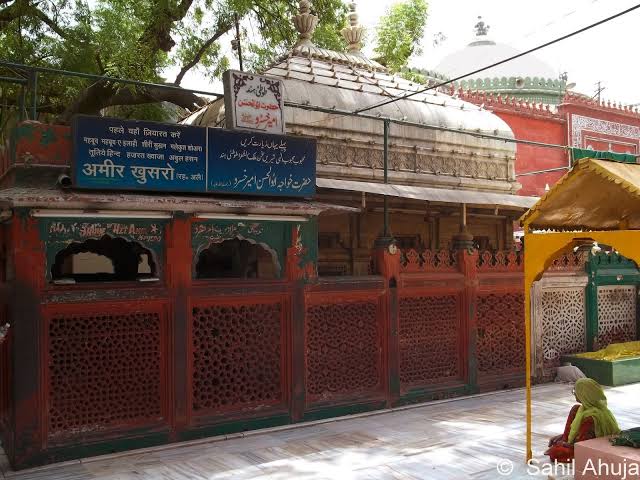
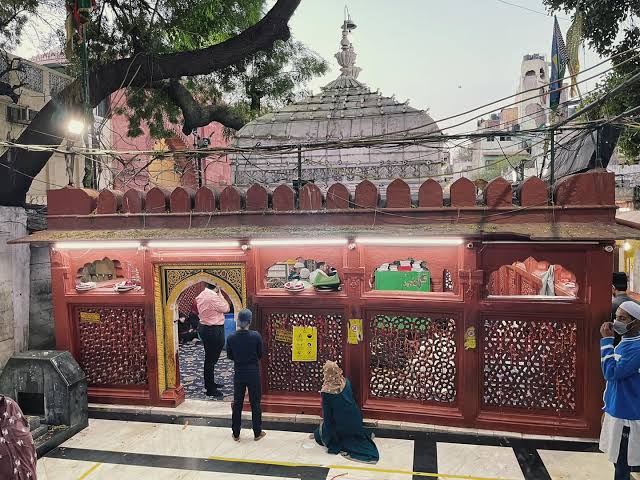
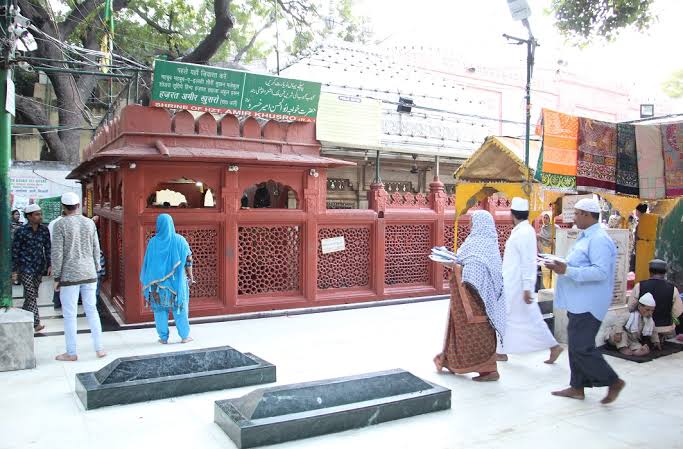
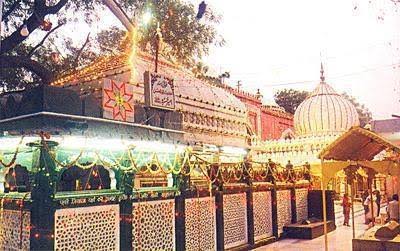
Hazrat Khosrow Dargah, located in Nizamuddin, New Delhi, is well-connected by various transport options. The nearest railway station is Hazrat Nizamuddin Railway Station, just a short walk away. The closest metro station is Hazrat Nizamuddin Metro Station on the Pink Line, about 1 km from the dargah. Local DTC buses also stop nearby, with Sarai Kale Khan ISBT just 1.5 km away. For air travel, Indira Gandhi International Airport is approximately 20 km from the dargah and takes around 45–60 minutes by cab.
The Dargah of Hazrat Amir Khusrow (R.A.) is located in Delhi, India, near the shrine of his spiritual master, Hazrat Nizamuddin Auliya. Amir Khusrow was born in 1253 A.D. in Patiala, India. His paternal ancestors were from the Hazara tribe of Transoxiana, who migrated to India in the 13th century. His father held a high position in the court of Sultan Shamsuddin Iltutmish of Delhi. After his father’s death when Khusrow was only eight, he was raised by his maternal grandfather, from whom he inherited a strong connection to Indian culture and local languages. A gifted child, Khusrow began writing poetry at an early age and received support from many nobles, princes, and kings. His second collection, Wast-ul-Hayat, made him famous, and his reputation even reached Persia, where the renowned poet Sa’di praised him. At the age of 36, he wrote Qiran-us-Sa’dain, a celebrated poem rich in poetic descriptions of Delhi, earning him the title of poet laureate in the court of King Kaiqubad. His writings, such as Nuh Sipihr and Hasht-Bihisht, reflect his deep love for India and a strong message of religious tolerance, likely inspired by his Sufi beliefs and close relationship with Nizamuddin Auliya. Khusrow composed poetry in Persian as well as Hindvi—a mix of local Bhojpuri and Persian—which later evolved into Hindi and Urdu. He also created riddles, songs, and verses in the common dialect, "Dehlavi Hindi", which endeared him to the masses. His enduring contribution to Indian music and literature is recognized even today. Deeply devoted to Nizamuddin Auliya, Khusrow was heartbroken upon his master's death and died a few months later in 1325 A.D. He was buried beside him. Their adjoining graves are now revered pilgrimage sites for both Hindus and Muslims, symbolizing Khusrow’s lasting legacy of spiritual devotion, cultural fusion, and communal harmony.
Year of Built: 12th - 13th Century
Address: Bawli Gate, Bawli Gate Road Hazrat, Nizamuddin, Nizammudin West Slum, Nizamuddin West, New Delhi, Delhi
Country: India
State: Delhi
District: South Delhi
Pincode: 110013
Longitude: 77.2419°
Latitude: 28.5914°